
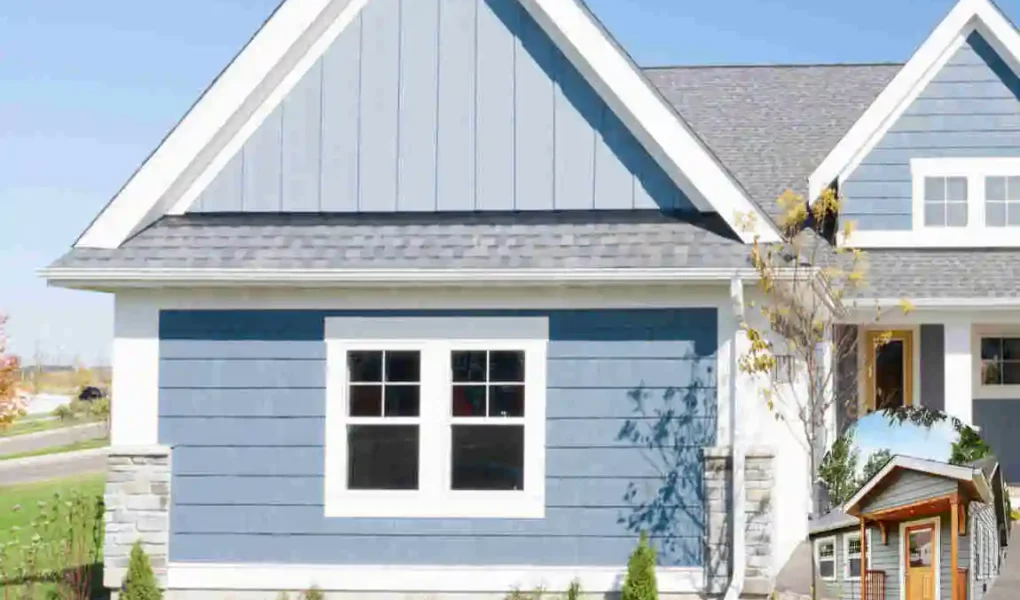
If you’re wondering what the best exterior color for a small house is, light neutrals top the list for their space-expanding effects. Small homes often present a unique design challenge: how do you make a petite property feel larger, more welcoming, and more full of character without major structural changes? The secret lies in smart color choices. Exterior paint is more than just a surface finish—it can create optical illusions that trick the eye into perceiving more space.
Choosing the right hue can transform a compact home from cramped to charming. Lighter shades, soft pastels, and muted neutrals reflect sunlight, making walls appear to recede, and spaces feel open. On the other hand, darker tones can make a structure feel cozy but visually smaller, unless used strategically as accents. By understanding these principles, you can maximize curb appeal while staying on-trend. In fact, studies show that a well-chosen exterior color can boost home value by up to 10%, making this not just an aesthetic choice but a practical investment.
In 2026, trending colors balance timeless appeal with modern flair. Earthy tones, airy pastels, and soft neutrals dominate the palette, offering options for everything from urban bungalows to rustic cottages. This guide dives deep into the top 10 trending exterior colors, showing you how each shade enhances space, harmonizes with surroundings, and complements architectural features. Whether you dream of a serene coastal vibe or a cozy Craftsman look, our expert picks are here to inspire.
Why Color Matters for Small Houses
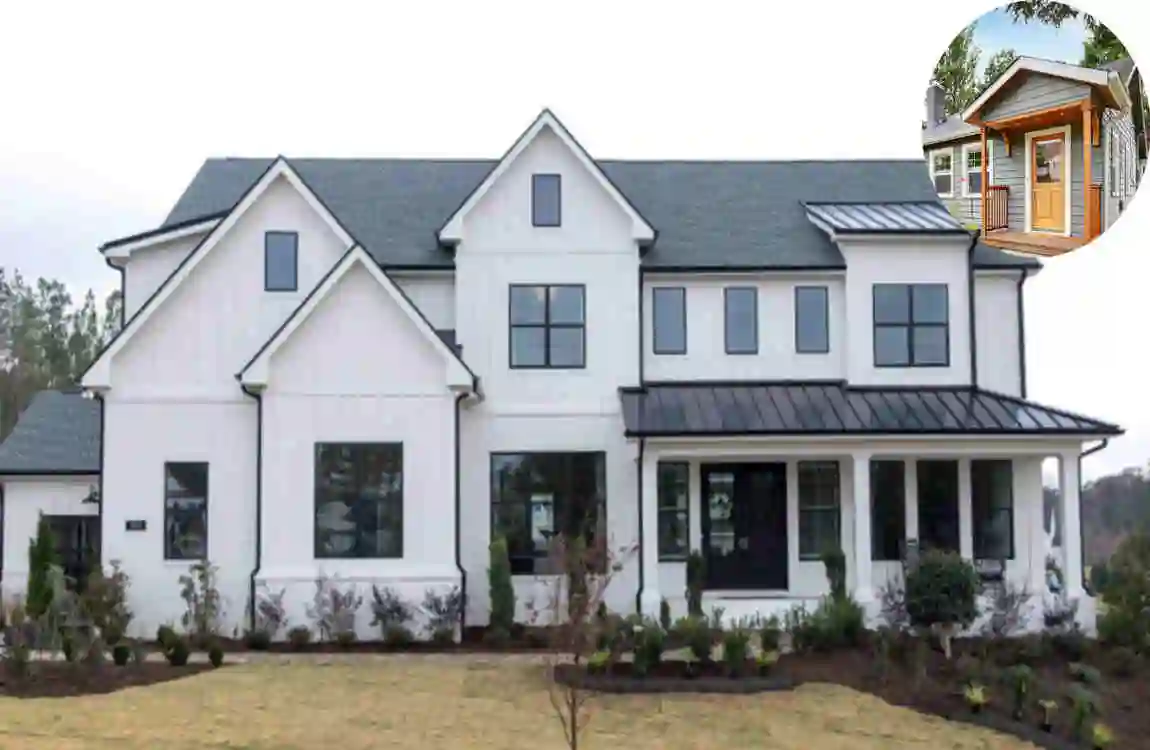
Color isn’t just decoration—it’s a psychological tool that shapes how we perceive space. For small houses, choosing the right hue can dramatically alter the sense of size and light. Lighter shades, like whites, creams, and soft pastels, reflect more sunlight, making walls seem to stretch outward, and rooms feel more open. Conversely, darker colors tend to absorb light, making a home feel more compact. However, when used in moderation as accent walls, shutters, or doors, dark shades add depth and contrast without shrinking your space.
Another key factor is Light Reflectance Value (LRV), a numerical measure of how much light a color reflects. For small homes, aim for shades with an LRV of 60 or higher. These colors reflect sufficient sunlight to make walls appear farther away, increasing perceived square footage.
Choosing the right color also has practical benefits beyond visual perception. Cool, light tones can reduce heat absorption, making your home more energy-efficient. At the same time, harmonious color choices maintain neighborhood cohesion and aesthetic flow. By understanding basic color theory, you can strategically combine shades to emphasize height, width, or architectural features—without repainting frequently or remodeling.
In short, color is a powerful, cost-effective tool for creating the illusion of space while enhancing style and value.
Top Optical Illusion Techniques
Small homes can look larger with a few clever visual tricks. Here are some proven techniques:
- Monochromatic Schemes: Using shades of the same color for walls, trim, and accents creates a seamless flow, reducing visual interruptions and enlarging the perceived space.
- Trim Contrasts: Pairing a light body color with crisp white or subtle darker trim adds depth and dimension, giving your home structure without shrinking it.
- Roof Pairings: A light or medium-toned roof complements light walls, reflecting sunlight and enhancing the feeling of openness.
Always test samples in natural light. A color that looks spacious in a showroom or under artificial lighting may shift when exposed to the sun, shadows, or neighboring houses. Small tweaks can make a big difference in achieving your dream illusion.
Trending Colors for Small Houses
Soft Linen Beige
Description: Soft Linen Beige is a neutral tone with warm undertones, evoking natural light and a cozy ambiance.
Why it enlarges small houses: Its high LRV (80+) reflects ample light, making walls recede visually and expanding the home’s apparent size.
2026 Trend Status: This shade is trending for minimalist yet inviting designs that balance modern simplicity with classic warmth.
Real-home Examples: Many suburban bungalows feature Soft Linen Beige with white trims for a timeless, airy look.
Paint Brand Recommendations: Sherwin-Williams “Accessible Beige,” Benjamin Moore “Manchester Tan.”
Pros/Cons:
- Pros: Versatile, complements most landscapes, hides minor imperfections.
- Cons: Can appear flat in shaded areas without contrasting trim.
Pairing Tips: Pair with crisp white trim and deep navy doors for a sophisticated yet warm exterior.
Crisp White
Description: Crisp White is a bright, clean white that reflects the maximum amount of light.
Why it enlarges small houses: It visually pushes walls outward and enhances the sense of space, especially on sunny days.
Trend Status: Evergreen in appeal, now refreshed in matte finishes for a modern, soft look.
Real-home Examples: Modern tiny homes in urban settings often use all-white facades for a sleek, open feel.
Paint Brand Recommendations: Sherwin-Williams “Pure White,” Benjamin Moore “Chantilly Lace.”
Pros/Cons:
- Pros: Timeless, pairs with any accent color, easy to repaint.
- Cons: Shows dirt and stains quickly; may feel stark without warm accents.
Pairing Tips: Charcoal or black shutters, red or navy doors, and natural wood accents enhance dimension.
Light Gray
Description: Light Gray is a cool, neutral tone that conveys sophistication.
Why it enlarges small houses: Its soft, receding nature subtly widens walls, creating a calm, expansive feel.
Trend Status: Urban tiny homes favor gray for its modern edge and minimalist appeal.
Real-home Examples: Row houses and cottages often use Light Gray with white trim for contemporary charm.
Paint Brand Recommendations: Sherwin-Williams “Repose Gray,” Benjamin Moore “Gray Owl.”
Pros/Cons:
- Pros: Modern, pairs with most accent colors, hides minor dirt.
- Cons: Can appear cold when paired with cooler trims or natural materials.
Pairing Tips: Combine with white trims and muted pastels for soft contrast.
Pale Blue
Description: Pale Blue evokes the serenity of a clear sky, offering a light and airy exterior.
Why it enlarges small houses: Cool tones recede visually, creating a perception of height and openness.
2026 Trend Status: Increasingly popular with coastal and cottage-inspired homes.
Real-home Examples: Beachside cottages often feature pale blue facades with white trims to enhance spaciousness.
Paint Brand Recommendations: Sherwin-Williams “Rainwashed,” Benjamin Moore “Palladian Blue.”
Pros/Cons:
- Pros: Calm, inviting, elevates curb appeal.
- Cons: May feel cold in shaded urban settings.
Pairing Tips: White trims and natural wood doors soften the look and maintain balance.
Creamy Off-White
Description: A soft, creamy shade with subtle yellow undertones that brighten facades.
Why it enlarges small houses: Light warmth reflects sunlight and avoids the starkness of pure white.
2026 Trend Status: Versatile choice for both classic and modern small homes.
Real-home Examples: Bungalows and Craftsman homes use creamy off-white to emphasize architectural details.
Paint Brand Recommendations: Sherwin-Williams “Alabaster,” Benjamin Moore “Navajo White.”
Pros/Cons:
- Pros: Warm, adaptable, complements natural landscapes.
- Cons: Can appear yellowish under artificial lighting.
Pairing Tips: Pair with taupe trim and bold-colored doors for subtle elegance.
Sage Green
Description: Earthy pastel green with gray undertones, invoking calm and nature.
Why it enlarges small houses: It harmonizes with surroundings and visually integrates the home into the landscape, making it appear larger.
2026 Trend Status: Eco-friendly and sustainable design trends elevate sage green.
Real-home Examples: Cottage-style homes with white trims and wood accents.
Paint Brand Recommendations: Sherwin-Williams “Sagey,” Benjamin Moore “Soft Fern.”
Pros/Cons:
- Pros: Soothing, timeless, blends with greenery.
- Cons: May clash with warm neighborhood tones.
Pairing Tips: White trims and wooden or dark green doors emphasize depth.
Warm Taupe
Description: Balanced brown-gray shade offering subtle depth without heaviness.
Why it enlarges small houses: Neutral undertones expand the home visually while maintaining warmth.
2026 Trend Status: Popular in Craftsman and traditional architectural styles.
Real-home Examples: Suburban cottages often use warm taupe for understated elegance.
Paint Brand Recommendations: Sherwin-Williams “Accessible Beige,” Benjamin Moore “Shiitake.”
Pros/Cons:
- Pros: Versatile, hides imperfections, blends with natural textures.
- Cons: Can feel dull without accent colors.
Pairing Tips: Combine with creamy trims and deep-colored doors for balanced contrast.
Blush Pink
Description: Soft, subtle pink with warm undertones that adds personality.
Why it enlarges small houses: Light, muted tones prevent overwhelming the eye while softening edges.
2026 Trend Status: Emerging feminine trend for bungalows and small urban homes.
Real-home Examples: Row houses with white trims and navy doors.
Paint Brand Recommendations: Sherwin-Williams “Intimate Rose,” Benjamin Moore “First Light.”
Pros/Cons:
- Pros: Unique, soft, cheerful.
- Cons: May not suit all neighborhoods or architectural styles.
Pairing Tips: White trims, gray or navy doors, and greenery balance the whimsy.
Stone Gray
Description: Textured neutral with subtle warmth, inspired by natural stone.
Why it enlarges small houses: Its understated tone adds depth without making the house feel heavy.
2026 Trend Status: Rugged and natural, ideal for cottages and historic homes.
Real-home Examples: Stone gray exteriors paired with cream trims in mountain cottages.
Paint Brand Recommendations: Sherwin-Williams “Dovetail,” Benjamin Moore “Stonington Gray.”
Pros/Cons:
- Pros: Conceals imperfections, timeless, versatile.
- Cons: Can appear flat in low light.
Pairing Tips: White or off-white trims, wood accents, and dark doors enhance texture.
Buttery Yellow
Description: Soft, sunny yellow evoking optimism and warmth.
Why it enlarges small houses: Bright, light-reflecting tones lift the facade and create a cheerful atmosphere.
2026 Trend Status: Bold yet balanced, often used as an accent or main color for smaller homes.
Real-home Examples: Bungalows and small cottages with white trims and gray roofs.
Paint Brand Recommendations: Sherwin-Williams “Buttermilk,” Benjamin Moore “Hawthorne Yellow.”
Pros/Cons:
- Pros: Cheerful, eye-catching, warms surroundings.
- Cons: Can overpower without neutral trims.
Pairing Tips: White or gray trims, muted accent doors, and natural landscaping soften the brightness.
Color Pairing Guide
ColorBodyTrimDoor Accent
Soft Linen Beige Linen Beige Pure White Navy Blue
Crisp White Crisp White Charcoal Red
Light Gray Light Gray White Black
Pale Blue Sky Blue White Natural Wood
Creamy Off-White Creamy White Taupe Deep Green
Sage Green Sage Green White Brown
Warm Taupe Taupe Cream Burgundy
Blush Pink Soft Pink White Gray
Stone Gray Stone Gray Off-White Charcoal
Buttery Yellow Buttery Yellow White Gray
Tips: Consider roof color, shutters, and landscaping to harmonize with chosen hues. Light, reflective roofs visually expand space, while landscaping adds dimension without crowding.
Application and Maintenance Tips
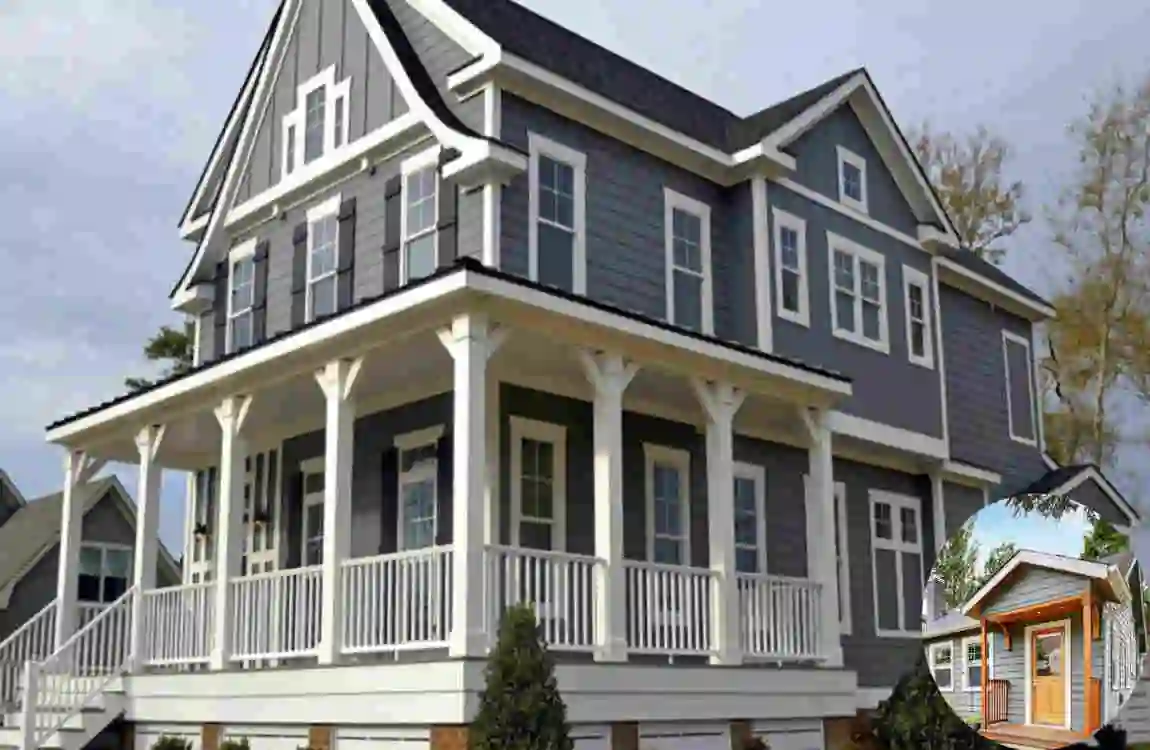
Proper preparation ensures long-lasting results. Start by thoroughly cleaning surfaces, repairing cracks, and priming as needed. High-quality paints with UV-resistant formulas prevent fading, especially on light tones. Essential tools include brushes, rollers, drop cloths, and ladders for safety.
DIY is feasible for small facades, but professional painters can guarantee consistency on textured or tall surfaces. Maintenance hacks: annual cleaning, touch-ups on high-wear areas, and re-coating every 5–7 years keep your home looking fresh and spacious.
Common Mistakes to Avoid
- Choosing overly bold or dark hues that shrink visual space.
- Ignoring undertones that clash with natural light or surroundings.
- Overlooking neighborhood covenants or HOA rules that may restrict colors.
FAQ
The best exterior color for a small house is usually a light neutral shade, such as soft white, light gray, beige, or pale blue, because lighter colors reflect more light and can help a home appear larger and more open.