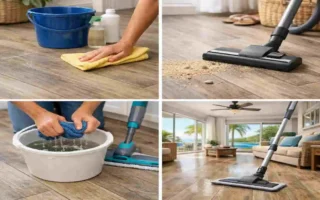
Have you ever looked around your home and thought, “It looks fine, so it must be clean”? Many people feel this way, but the truth is often surprising. A house can appear tidy on the surface while still hiding dirt, bacteria, and allergens in places you don’t usually notice.
This is where the real confusion begins. Clean floors and organized furniture do not always mean a healthy home. Dust can settle behind furniture, grease can build up in the kitchen, and moisture can quietly create mold in hidden corners.
What Is Considered a Dirty House? Definition Section
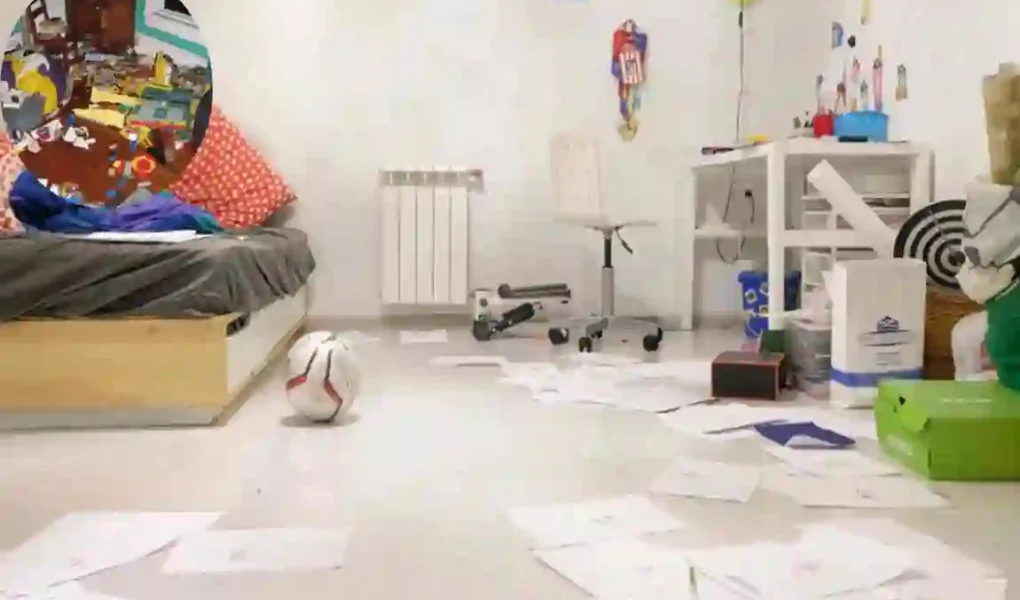
A dirty house is not just about visible mess or scattered items. In reality, it goes much deeper than that. A home is considered dirty when it has poor hygiene, hidden bacterial buildup, dust accumulation, and signs of neglect in cleaning routines.
Even if your home looks organized, it can still be considered a dirty house if sanitation is ignored.
Basic Definition of a Dirty House
A dirty house is a living space where:
- Dust and dirt are not cleaned regularly
- Germs and bacteria build up on surfaces
- Moisture leads to mold growth
- Clutter prevents proper cleaning
It is important to understand that dirt is not always visible. Many harmful germs live in places we don’t see every day, such as under furniture, in air vents, or behind appliances.
Difference Between a Messy House and a Dirty House
Many people confuse messiness with dirtiness, but they are not the same.
A messy house usually means:
- Clothes lying around
- Unorganized items
- Beds not made
- General clutter
A dirty house, on the other hand, means:
- Bacteria and germs on surfaces
- Food residue and grease buildup
- Mold in damp areas
- Poor bathroom hygiene
A house can be messy but still clean.
A house can also look tidy but still be dirty.
When a House Becomes Unhealthy
A home becomes unhealthy when dirt and bacteria begin to affect its interior. This happens when:
- Air quality becomes poor due to dust and pollutants
- Pests like ants, cockroaches, or rats start appearing
- Mold spreads in damp areas like bathrooms or walls
- Germs build up on frequently touched surfaces
At this stage, the home is no longer just unclean—it becomes a health risk.
Major Signs Your House Is Dirty Core Section
Now let’s look at the most important part. These are the clear signs that help you understand what a dirty house looks like in real life.
Persistent Bad Odors
If your house smells bad even after cleaning, this is a strong warning sign.
Common smells include:
- Kitchen grease or spoiled food odor
- Bathroom has a damp or sewage smell
- Musty smell from closed rooms
These odors often come from hidden bacteria, mold, or trapped moisture. If you notice this regularly, your home needs deep cleaning.
Visible Dust and Dirt Accumulation
Dust is one of the most common signs of a dirty home.
You may notice:
- Dust on fans and shelves
- Dirt in corners and under furniture
- Dust layers return quickly after cleaning
This shows that cleaning is not deep enough or is not done regularly.
Sticky or Greasy Surfaces
Kitchen surfaces often reveal hidden dirt.
Look for:
- Sticky countertops
- Greasy cabinet doors
- Oily stove and exhaust areas
- Dirty light switches
These are signs of long-term grease buildup that attracts bacteria.
Dirty Bathrooms
Bathrooms are one of the easiest places to judge cleanliness.
A dirty bathroom may include:
- Yellow or stained toilets
- Soap scum on tiles
- Mold in corners or shower areas
- Water stains on sinks
Bathrooms need regular deep cleaning because moisture increases bacterial growth.
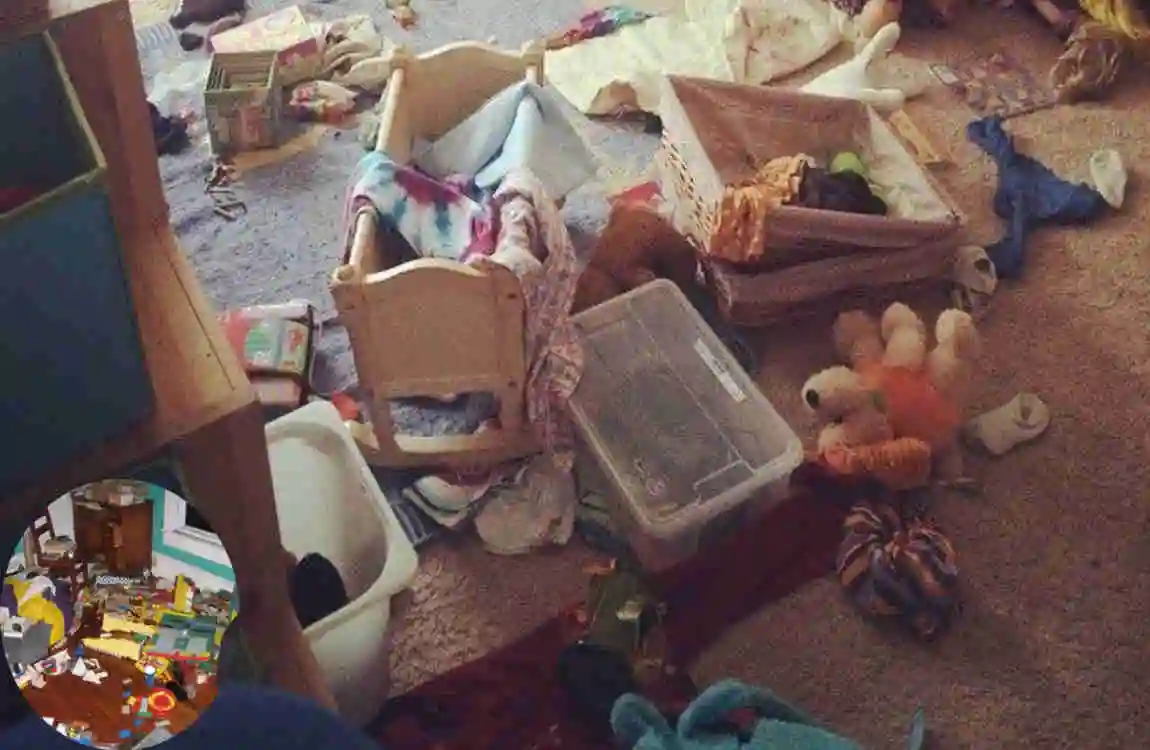
Cluttered Spaces
Clutter may not seem dirty, but it contributes to hygiene problems.
Too much clutter:
- Blocks proper cleaning
- Creates hidden dust zones
- Attracts insects
- Makes deep cleaning difficult
When items pile up, dirt hides underneath and grows unnoticed.
Pest Problems Insects or Rodents
If you see pests in your home, it is a serious sign.
Common pests include:
- Cockroaches
- Ants
- Rats or mice
These pests are attracted to food crumbs, moisture, and poor sanitation. Their presence clearly indicates a dirty environment.
Mold or Mildew Growth
Mold is a major indicator of a dirty and unhealthy home.
You may find it on:
- Bathroom walls
- Ceiling corners
- Behind furniture
- Near water leaks
Mold not only looks bad but can also affect breathing and overall health.
Hidden Signs of a Dirty House You Might Miss
Some signs are not obvious but are equally important.
Air Quality Issues
If you often feel:
- Sneezing indoors
- Itchy eyes
- Coughing without reason
Then your indoor air may be filled with dust, allergens, or pollutants.
Unclean Bedding and Upholstery
Beds, sofas, and curtains collect dust easily.
If not cleaned:
- Dust mites grow inside fabric
- Odors build up over time
- Allergies become common
Kitchen Contamination
Hidden kitchen dirt includes:
- Expired food in the fridge
- Spilled sauces or liquids
- Dirty utensils left unwashed
These create a breeding ground for bacteria.
Neglected High-Touch Surfaces
We touch these items daily:
- Door handles
- Light switches
- Remote controls
If not cleaned regularly, they carry germs from hand to hand.
Health Risks of Living in a Dirty House
A dirty house doesn’t just affect appearance—it also affects your health.
Respiratory Problems
Dust and mold can cause:
- Asthma
- Allergies
- Breathing difficulty
Skin Infections
Dirty surfaces can transfer bacteria to your skin, causing irritation or infections.
Food Contamination Risks
An unclean kitchen increases the risk of:
- Food poisoning
- Stomach infections
Mental Health Impact
A dirty and cluttered home can also cause:
- Stress
- Anxiety
- Lack of focus
A clean home often brings mental peace and comfort.
Why Houses Become Dirty Over Time
Homes don’t become dirty overnight. It happens slowly.
Busy Lifestyle and Lack of Time
People often delay cleaning due to work or daily responsibilities.
Poor Cleaning Habits
Surface cleaning only removes visible dirt, leaving hidden areas untouched.
Humidity and Weather Conditions
Moist environments encourage mold and mildew growth.
Lack of Deep Cleaning Schedule
Without regular deep cleaning, dirt slowly builds up over time.
How to Tell If Your House Needs Deep Cleaning (Checklist Section)
Here is a simple checklist:
- Bad smell stays even after cleaning
- Dust returns quickly
- Greasy kitchen surfaces
- Bathroom stains don’t go away
- You experience allergies indoors
When to Call Professional Cleaners
You may need help if:
- Mold spreads widely
- Pests appear frequently
- Cleaning becomes overwhelming
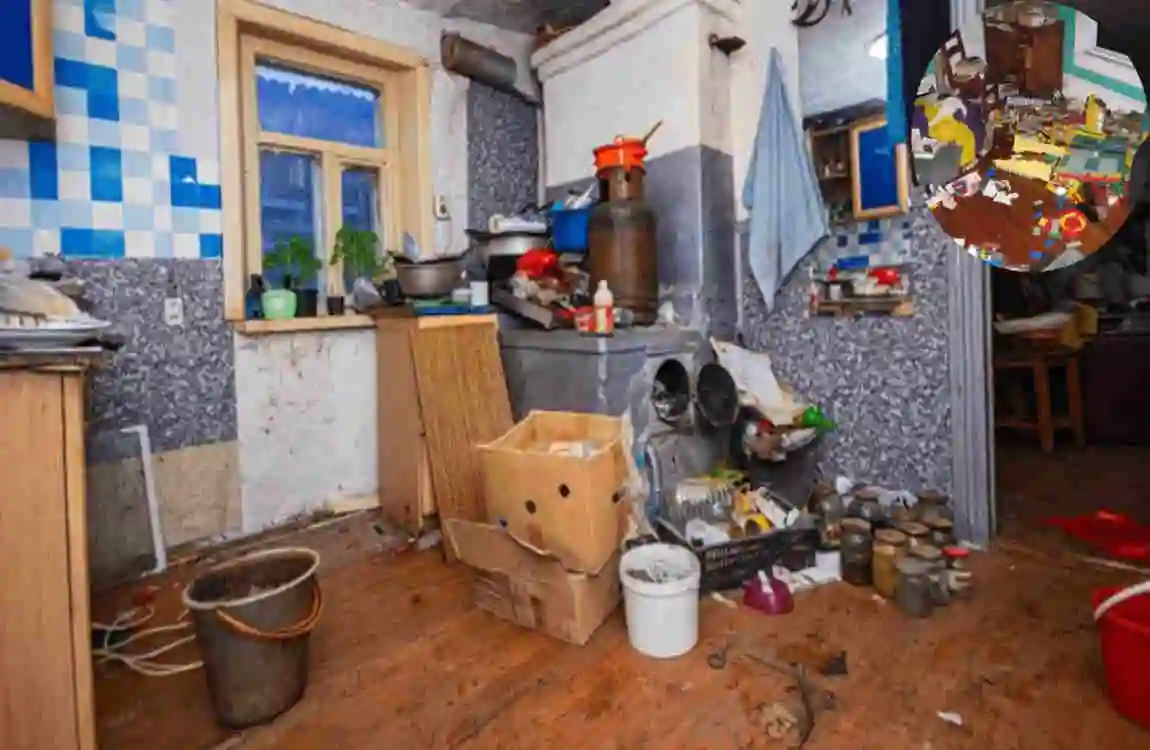
How to Fix a Dirty House Deep Cleaning Guide
Step-by-Step Cleaning plan
Start with decluttering. Remove unnecessary items first to make cleaning easier.
Then clean room by room:
- Kitchen
- Bathroom
- Bedroom
- Living room
Focus Areas for Deep Cleaning
Each area needs attention:
- Kitchen: grease removal and sink cleaning
- Bathroom: mold and stain removal
- Bedroom: bedding and dust cleaning
- Living room: furniture and floor cleaning
Cleaning Tools You Need
To clean properly, you may need:
- Disinfectants
- Microfiber cloths
- Vacuum cleaner
- Mold removal products
Preventing Your House From Becoming Dirty Again
Daily Cleaning Habits
Spend 10–15 minutes daily on small cleaning tasks.
Weekly Cleaning Schedule
Focus on bathrooms and kitchens weekly.
Monthly Deep Cleaning Routine
Clean hard-to-reach areas, such as curtains, windows, and furniture.
FAQs – What Is Considered a Dirty House?
What makes a house officially dirty?
A house becomes dirty when hygiene is poor, not just when it looks messy.
Is clutter considered dirty?
Clutter is not dirty in itself, but it can lead to hidden dirt buildup.
How often should you deep clean your house?
At least once every 1–2 months for a healthy environment.
Can a clean-looking house still be dirty?
Yes, hidden germs and dust can exist even in tidy homes.
What are the first signs of a dirty home?
Bad smell, dust buildup, and greasy surfaces are early signs.