Many people ask how safe my house is, but they only think about locks and doors. Home safety is much bigger than that. It includes your home’s structure, fire protection, electrical systems, indoor air quality, and even the safety of children and older adults.
A home can look fine on the outside and still hide serious risks inside. A small wall crack, a loose wire, a gas leak, or poor ventilation can turn into a major problem later. That is why it helps to check your home regularly instead of waiting for something to go wrong.
Understanding Home Safety Basics
What home safety really means
Home safety means making your house safe from accidents, damage, crime, and health risks. It is not just about protection from burglars. It is also about keeping your home strong, clean, dry, and safe for daily living.
Different types of safety
There are a few main parts of home safety:
- Structural safety: the house foundation, roof, walls, and plumbing
- Physical safety: preventing slips, falls, fire, and injury
- Security safety: protecting your luxury home from break-ins
- Environmental safety: air quality, gas leaks, mould, and pests
A home is rarely “fully safe” without regular checks. Small issues often stay hidden until they become expensive or dangerous.
Structural Safety of Your House
Check the foundation, walls, and roof.
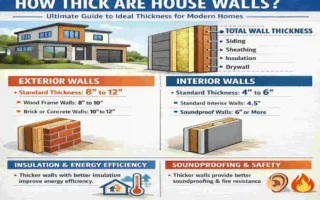
Look for cracks in walls, uneven floors, stains on ceilings, or doors that do not close properly. These can point to structural problems. A leaking roof is also a warning sign because water can weaken wood and ceilings over time.
Watch for plumbing and electrical issues.
Leaks under sinks, damp walls, or bad smells may mean hidden plumbing problems. Old wiring, flickering lights, and warm outlets can signal electrical danger. These should not be ignored.
Fire Safety Risks at Home
Common fire hazards
Kitchens are among the highest-risk areas for fire because cooking is often left unattended. Bedrooms can also be risky when people use heaters, charge devices overnight, or overload sockets.
Safety tools you should have
Every home should have:
- Smoke detectors
- A fire extinguisher
- Clear exit paths
These simple tools can save lives in an emergency.
Easy fire prevention habits
Turn off appliances when not in use. Do not overload power strips. Keep flammable items away from stoves and heaters. Also, test smoke detectors regularly so they are ready when needed.
Home security and Intrusion Protection
Weak entry points
Burglars often target homes with weak doors, poor locks, or open windows. They look for easy access, especially when no one seems to be home.
Simple ways to improve security
Strong locks, smart locks, outdoor lighting, and CCTV cameras can make a big difference. Even a well-lit front yard can discourage unwanted visitors.
What to check
Make sure your doors close tightly. Check that the window locks work. Keep gates secure. If your modern home feels exposed, add more lighting and consider an alarm system.
Health and Indoor Environmental Safety
Air, moisture, and mould
Bad air quality can affect your health over time. Dust, mould, and excessive humidity are common problems in many homes. A damp house can also lead to bad smells and breathing issues.
Gas, water, and pests
Carbon monoxide and gas leaks are serious dangers because you may not notice them right away. Dirty water, pest infestations, and clogged drainage can also create health problems.
Better ventilation matters
Open windows when possible. Use exhaust fans in kitchens and bathrooms. Keep rooms dry and clean. Good ventilation helps your home stay fresh and safer.
How to Improve Your Home Safety
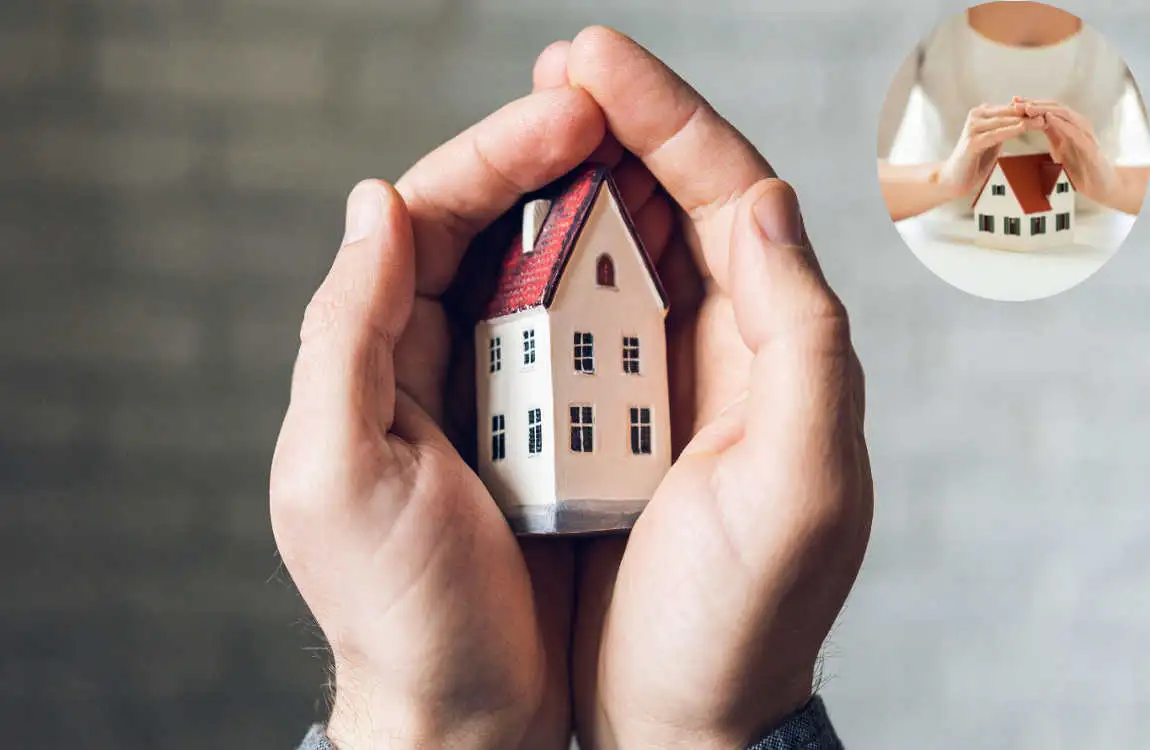
Affordable upgrades
You do not need a huge budget to make your house safer. Start with small but useful changes like better locks, working smoke detectors, brighter outdoor lights, and cord management.
Make a simple routine.
Check your home every month. Look at the roof, doors, windows, wiring, and plumbing. A regular habit helps you catch problems early.
Prepare for emergencies
Keep emergency numbers ready. Store a flashlight, first-aid kit, and fire extinguisher in easy-to-reach places. A little planning can reduce panic during an emergency.
FAQs
What is the first step in checking home safety?
Start by looking for visible problems like cracks, leaks, broken locks, and damaged wiring.
How often should I inspect my house?
A quick check every month is helpful, with a deeper inspection every 6 to 12 months.
What are the biggest hidden dangers in homes?
Faulty wiring, gas leaks, mould, and weak security points are among the most common hidden risks.
Do I need a professional home inspection every year?
It is a smart idea, especially for older homes or after renovations.
How can I improve home safety on a budget?
Start with low-cost fixes like smoke detectors, strong locks, good lighting, and regular maintenance.
| Safety Area | What to Check | Risk Level | Simple Safety Tip |
|---|---|---|---|
| Electrical System | Wiring, sockets, overloads | High | Fix exposed wires, avoid overloading plugs |
| Fire Safety | Smoke alarms, gas leaks, fire exits | High | Install smoke detectors & keep fire extinguisher |
| Doors & Locks | Main door strength, window locks | Medium | Use strong locks and secure all entry points |
| Gas System | Cylinder leaks, stove connection | High | Regularly check gas pipes for leaks |
| Structural Safety | Cracks in walls, roof condition | High | Repair cracks early to avoid collapse risk |
| Water System | Leakage, pipe damage | Low–Medium | Fix leaks to prevent mold and damage |
| Child Safety | Sharp edges, unsafe stairs | Medium | Install safety gates and corner guards |
| Electrical Appliances | Old or damaged devices | Medium | Replace faulty appliances immediately |