A timber frame house is a modern home built around a strong wooden structure. Many people choose it because it is fast to build, energy efficient, and flexible in design. If you are searching for how to build a timber frame house, this guide provides a simple, step-by-step overview without confusing terms.
Timber frame homes are becoming more popular because they can be built quickly and often cost less than traditional brick homes. They also work well for eco-friendly construction since wood is a renewable material. If you plan carefully, choose high-quality materials, and hire skilled workers, you can build a strong, comfortable home that lasts for many years.
What Is a Timber Frame House?
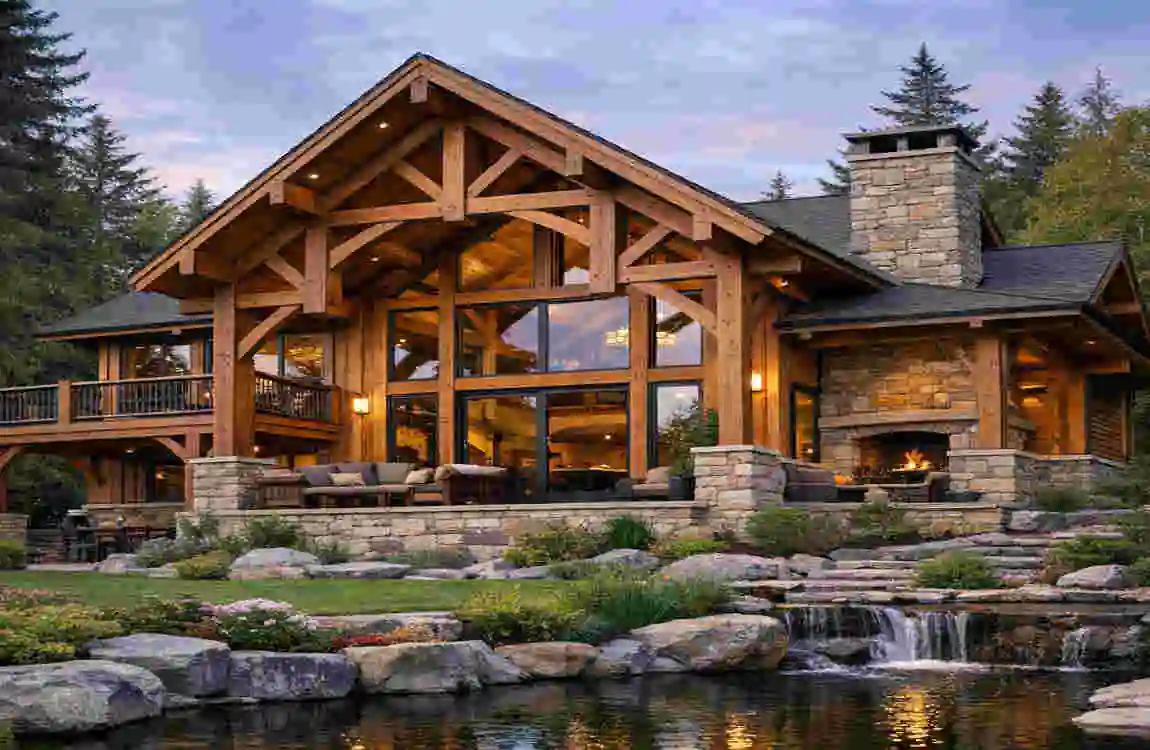
A timber frame house uses wooden beams and posts as the main support system. These timber parts carry the building’s load, while the walls primarily provide protection, insulation, and aesthetics.
Key Parts of the Structure
- Timber frame: The main skeleton of the house
- Insulation: Keeps the home warm in winter and cool in summer
- Connectors and fasteners: Hold the frame safely together
- Wall layers and cladding: Protect the home from the weather
Timber frame homes differ from brick or concrete houses because the frame carries most of the structural load. This makes construction faster and often more efficient.
Benefits of Timber Frame Construction
Timber frame homes offer several clear advantages.
Main Benefits
- Faster building time
- Better energy efficiency
- More design flexibility
- Lower construction waste
- Environment-friendly building method
Because the frame can be prefabricated in a workshop, the on-site work is quicker. That means less waiting and fewer delays. Timber also works very well with insulation, which can help lower heating and cooling bills.
Planning Before You Build
Good planning is the basis of a successful project. Before you start building, you need to think about land, budget, and permits.
What You Should Do First
- Check the land and soil conditions
- Set a clear budget
- Get the required permits and approvals
- Hire an architect and an experienced contractor
Soil testing is important because the foundation must be suited to the ground. You should also estimate the full cost early, including materials, labour, and finishing work. This helps you avoid surprise expenses later.
Step-by-Step: How to Build a Timber Frame House
This is the main process. Each stage matters, and skipping one can cause problems later.
Foundation Work
The foundation supports the whole house, so it must be strong and level.
Common Foundation Types
- Slab foundation
- Strip foundation
- Pile foundation
The right type depends on the land and the house design. Before pouring the foundation, the site must be properly cleaned, marked, and levelled. A weak or uneven base can lead to serious structural issues.
Timber Frame Design and Fabrication
After planning the foundation, the frame is designed in detail. Many builders now use CAD software to create accurate drawings.
Why This Step Matters
- It improves accuracy
- It reduces material waste
- It makes assembly faster
- It helps with structural safety
In many projects, the timber parts are pre-cut in a factory. This saves time on-site and ensures better fitting during assembly.
Assembling the Frame
Once the frame parts arrive, workers begin putting them together on-site. This is the stage when the house starts to take shape.
What Happens Here
- Walls are erected
- Floor joists are installed
- Roof trusses are fixed
- Joints and fasteners are secured
This stage needs skilled workers because the frame must stay straight and stable. Careful alignment is very important.
Roof Installation
The roof protects the home from rain, heat, and wind. It must be strong and well sealed.
Roof Work Includes
- Building the roof structure
- Adding waterproof layers
- Installing insulation
- Making sure drainage works properly
A good roof design helps keep the house dry and comfortable. Water leaks can damage the timber, so waterproofing is essential.
Wall Cladding and Insulation
After the frame and roof are complete, the walls are built up with layers.
Wall Layers Often Include
- External sheathing
- Insulation material
- Vapour barrier
- Interior finish
This part of the work improves energy efficiency and weather protection. Proper insulation also makes the home quieter and more comfortable.
Windows, Doors, and Finishing
Now the house starts to look complete. Windows and doors are installed, followed by interior finishing.
Finishing Work May Include
- Wall panels or plasterboard
- Painting
- Flooring
- Cabinets and fixtures
This stage gives the home its final look. It is where design choices become visible, and the house begins to feel like a real living space.
Cost of Building a Timber Frame House
The cost depends on location, design, material quality, and labour. Timber frame homes are often more affordable than traditional homes, but prices can vary.
Cost Factor: What Affects It
Land Location and soil condition
Foundation Type and size
Timber frame Wood quality and design
Insulation Type and thickness
Labour Skill level and local rates
Finishing Windows, doors, flooring, paint
Hidden Costs to Watch
- Permit fees
- Delivery charges
- Design changes
- Utility connections
- Unexpected ground work
Planning for extra costs helps you stay within budget.
Common Mistakes to Avoid
Some mistakes can make the project more expensive or less durable.
Avoid These Problems
- Poor foundation planning
- Using low-quality timber
- Ignoring insulation standards
- Hiring unqualified builders
A small mistake early on can lead to bigger problems later. Good materials and proper supervision matter a lot.
Maintenance Tips for Timber Frame Homes
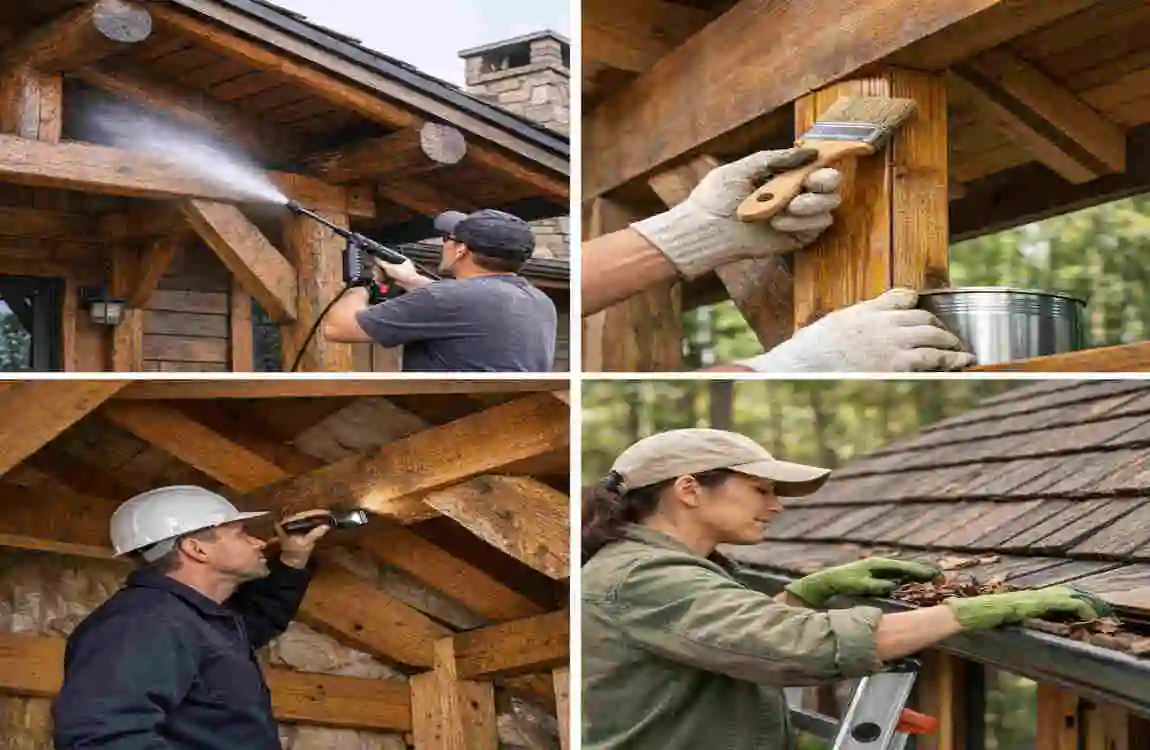
A timber frame house can last for decades if you care for it properly.
Simple Maintenance Tips
- Control moisture inside and outside the house
- Check for pests regularly
- Inspect the roof and walls often
- Repaint or reseal wooden surfaces when needed
Moisture is one of the biggest risks for timber structures. Keeping the home dry and well ventilated helps protect the frame.
FAQ
How long does it take to build a timber frame house?
Usually 3 to 6 months, depending on the size and design.
Is a timber frame house cheaper than a brick construction?
In many cases, yes. Timber frame homes can be faster and more cost-effective.
Are timber frame houses durable?
Yes, if built and maintained properly, they can last for decades.
What is the biggest risk?
Moisture is the biggest risk if the house is not protected well.
Can I customise the design?
Yes, timber frame houses offer great design flexibility.
| Stage | What It Involves | Key Tips |
|---|---|---|
| Planning & Design | Choosing layout, budget, and architectural drawings | Work with a qualified architect early |
| Site Preparation | Clearing land, leveling ground, and setting foundation lines | Ensure proper soil testing |
| Foundation Work | Pouring concrete slab or building base foundation | Strong foundation prevents future structural issues |
| Timber Frame Construction | Assembling the wooden structural frame | Use treated, high-quality timber |
| Roof Installation | Adding roof trusses and covering materials | Prioritize waterproofing and insulation |
| Wall Cladding | Installing exterior walls and insulation layers | Focus on energy efficiency |
| Windows & Doors | Fitting openings into the frame | Choose energy-efficient materials |
| Electrical & Plumbing | Running internal systems | Plan layout before closing walls |
| Interior Finishing | Flooring, painting, ceilings, fixtures | Maintain consistent design style |
| Final Inspection | Safety checks and quality assurance | Fix any defects before move-in |