Housing choices are changing fast. Many people today want homes that are practical, affordable, and easy to maintain. At the same time, cities are growing, land is becoming more expensive, and families are looking for smarter ways to live without giving up comfort.
That is where attached housing comes in.
If you have ever wondered what a single-attached house is, the answer is simple: it is a home that shares one wall with another home, but still has its own private entrance and living space. This type of house sits between a fully detached home and an apartment. It gives many buyers a middle ground that feels more flexible and often more budget-friendly.
People often choose this housing style because it fits modern life well. It can work for first-time buyers, small families, young professionals, and even investors. It uses land efficiently, supports community living, and often costs less than a detached house.
What Is a Single Attached House?
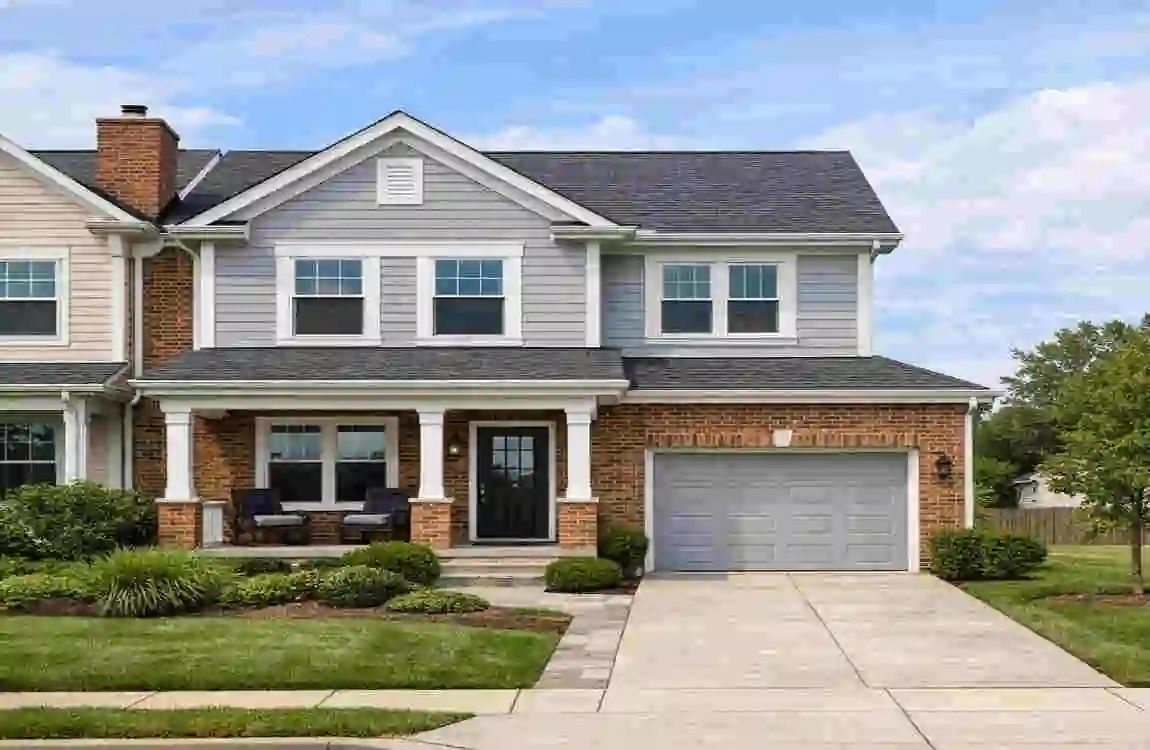
A single attached house is a residential home that shares one common wall with another house. Even though it is attached on one side, it remains a separate living unit. In most cases, it has its own front door, its own interior space, and often its own utilities.
This makes it different from a large apartment building, where many homes are housed in a single structure and share common hallways or entrances. A single attached house feels more private and more like a traditional house. However, it still uses space more efficiently than a fully detached home.
To understand what is single attached house more clearly, it helps to compare it with other housing types:
Detached House
A detached house stands alone and does not share any walls with another home. It usually offers more privacy, more outdoor space, and more freedom for renovations. However, it often costs more because it needs more land.
Semi-Detached House
A semi-detached house usually comes in a pair. Two homes are built next to each other and share one wall each. Some people use the term loosely, but in many markets, a single-attached house may be comparable to a single unit in a paired or connected setup.
Townhouse
A townhouse is usually part of a row of homes attached side by side. It may share walls on both sides, except for the units at the ends. A single attached house may look similar to a townhouse. Still, the exact label depends on local property rules and how the developer markets the home.
In many places, the name varies by region, building style, or legal classification. That is why people sometimes get confused when they ask what a single-attached house is. The structure may be simple, but the naming can vary from one market to another.
In everyday use, you can think of it as a house that gives you private ownership and private living space, while still sharing one wall with a neighbor. That balance is what makes it appealing to many buyers.
Types of Single Attached Houses
Single attached houses do not all look the same. Developers design them differently depending on land size, city regulations, and buyer demand. The core idea stays the same, but the layout can change quite a bit.
Side-by-Side Attached Homes
This is one of the most common forms. Two homes sit next to each other and share one wall. Each unit has its own entrance and living area. This style is common in both urban and suburban areas because it saves land while still giving each owner a full house.
Row-Style Attached Houses
In this design, several homes stand in a line. Each home shares walls with the units next to it. Some people call these row houses or terrace houses. A single unit in this row can still be seen as a single attached house, depending on the local market.
Duplex-Style Single Attached Units
A duplex usually has two separate homes in one building. In some cases, the homes are arranged side by side. In other cases, one sits above the other. The side-by-side version can feel like a single attached home because it shares one wall but keeps separate access.
Modern Townhouse Variations
Modern townhouse developments often take the idea of a single attached home and update it with cleaner designs, better layouts, and shared community features. These homes may include private parking, small patios, or even rooftop areas.
Regional Differences in Design and Naming
Different countries and even different cities use different words for similar homes. One place may call it a townhouse, while another may call it a row home or an attached home. That is why buyers should always look beyond the label and focus on the actual structure.
A home’s name can change, but the important thing is how it works for your daily life. When you ask what is single attached house, you should always check the plan, the wall-sharing setup, the land title, and the ownership structure.
Key Features of a Single Attached House
A single-attached house has several features that set it apart from other housing options. These features are part of what gives it both comfort and value.
Shared Wall Structure
The most obvious feature is the shared wall. This wall connects the home to the neighboring unit. It helps save land and can also improve energy efficiency because less of the exterior wall area is exposed to heat or cold.
Private Living Space
Even though the home shares one wall, the inside is completely private. You still have your own rooms, kitchen, bathroom, and living area. This gives you a house-like experience without the cost of a fully detached property.
Compact Land Usage
Single attached homes use land more efficiently. Instead of spreading one home across a wide lot, developers build homes closer together. This helps in crowded areas where land is limited and expensive.
Multi-Floor Design Options
Many single attached houses are built with two or more floors. This helps owners enjoy more indoor space without needing a very large piece of land. It is a smart solution for dense cities and planned communities.
Driveway or Small Yard Possibilities
Some homes include a small front yard, a backyard, or a private driveway. The space may be smaller than what you find in a detached home, but it still offers some outdoor space for relaxing, gardening, or parking.
Energy Efficiency Benefits
Because one wall is shared, there is less heat loss in cold weather and less heat gain in hot weather. This can help lower energy use and reduce utility bills over time.
Urban-Friendly Layout
Single attached homes fit well into urban and suburban neighborhoods. They help cities house more people without using too much land. That makes them a practical solution for growing populations.
Security Advantages Due to Proximity
When homes are built closer together, neighbors can notice unusual activity more easily. That can create a stronger sense of safety, especially in planned communities where homes are well organized.
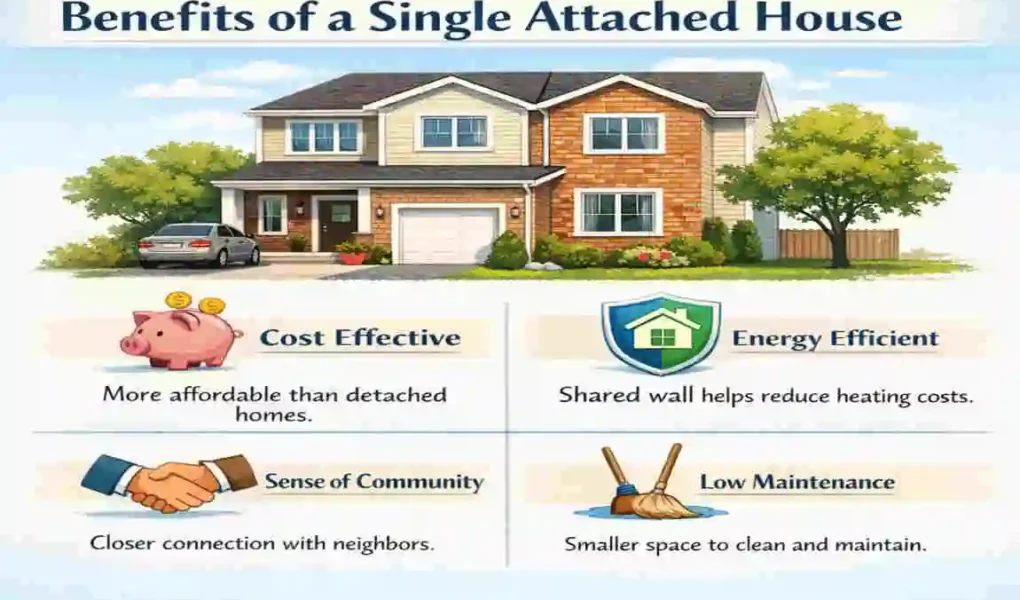
Benefits of a Single Attached House
This is where the real value becomes clear. The benefits go beyond just price. A single-attached house can support a smarter lifestyle, especially if you want a balance among cost, comfort, and convenience.
Affordable Housing Option
One of the biggest reasons people choose this type of home is affordability. A single-attached house usually costs less than a detached home because it occupies less land and shares some structural elements with the neighboring unit.
Land is one of the most expensive parts of home ownership. When two or more homes share the same land area, the price per home often drops. This makes the property more accessible to buyers who may not be able to afford a fully detached house.
For first-time buyers, this can be a major advantage. It allows them to enter the housing market without taking on the much higher cost of a standalone home.
Better Use of Land
Single attached houses support efficient land use. This matters a lot in cities where space is limited and population continues to grow.
Instead of spreading homes too far apart, developers can build more housing units on the same site. That creates more homes for more people while keeping neighborhoods organized.
This kind of design practically supports urban growth. It helps cities avoid unnecessary sprawl and makes public services easier to manage. Roads, water lines, electricity, and other infrastructure can serve more households in a smaller area.
Lower Maintenance Costs
Many buyers like this housing type because it often requires less maintenance. The outdoor area is usually smaller, which means less time spent mowing, cleaning, or repairing large yards.
In some communities, certain external repairs may also be easier to manage because the homes are built in similar ways. A smaller roof area, fewer exterior walls, and a reduced lot size can all help limit repair expenses.
That does not mean maintenance disappears. You still need to care for your home. But compared with a large detached property, the work and cost are often lighter.
Energy Efficiency
A single attached house can be more energy-efficient than a detached one. Why? Because the shared wall reduces the amount of outside surface exposed to the weather.
That can help keep the home warmer in winter and cooler in summer. As a result, your heating and cooling systems may not need to work as hard.
This can lead to lower utility bills, which many homeowners appreciate. Over time, the savings can become meaningful. In today’s world, where energy prices can rise quickly, efficiency is not just a bonus. It is a real financial benefit.
Community Living Benefits
Single attached homes often sit in neighborhoods where people live closer together. That can create a stronger sense of community.
Neighbors are more likely to know each other, look out for one another, and communicate more often. In many cases, this leads to a friendlier and safer environment.
Planned developments may also include shared amenities such as parks, walkways, playgrounds, or common green areas. These spaces make it easier for residents to connect and enjoy the neighborhood.
If you value a sense of belonging, this housing style can be a great fit.
Ideal for Urban Lifestyle
Another major benefit is convenience. Single attached houses often sit near schools, shops, workplaces, transport links, and services.
This makes daily life easier. You may spend less time commuting and more time doing the things you actually care about. For busy professionals, couples, and small families, that can be a huge advantage.
Urban living often comes with trade-offs, but this type of home helps reduce some of them. You get a house-like setting without moving too far from the center of activity.
More Balanced Cost-to-Comfort Ratio
A detached home may offer more privacy, but it often comes with a much higher price tag. An apartment may be cheaper, but it can feel more limited. A single attached house sits in the middle.
That balance is one of its strongest selling points. You get a private entrance, separate living space, and a more house-like feel, while still keeping costs more manageable.
This is why many buyers see it as a smart middle option rather than a compromise.
Quick List: Why Buyers Like Single Attached Houses
- Lower purchase cost than detached homes
- Smaller maintenance workload
- Better energy savings
- Good fit for city living
- Strong balance between privacy and affordability
Potential Drawbacks of Single Attached Houses
No home type is perfect. A single-attached house has several strengths, but it also has some limitations you should know before buying.
Limited Privacy
Because you share one wall with another home, privacy is not as strong as in a detached house. You may hear movement or activity from next door, especially if the building is not well insulated.
Noise Transfer
Noise can travel through the shared wall. This may include talking, music, television sounds, or even footsteps in some cases. Good construction can reduce this issue, but it may not remove it completely.
Less Outdoor Space
Many single attached homes have smaller yards, patios, or driveways. If you want a large garden or open land around your home, this type may feel too compact.
Rules and Restrictions
Some developments come with homeowner association rules or developer restrictions. These may limit changes to the exterior, parking, paint color, fencing, or renovations.
Parking Limitations
In dense neighborhoods, parking can be a challenge. Some homes may have only one parking spot or no private parking at all.
Renovation Limits
If the home shares a wall or is part of a community design plan, renovations may require approval. That can reduce flexibility compared with a detached home.
These drawbacks do not make the home a bad choice. They simply mean you need to understand the trade-offs before deciding.
Single Attached House vs Other Housing Types
When you are trying to decide on a home, comparison matters. Knowing how a single attached house differs from other options can help you make a better choice.
Single Attached House vs Detached House
A detached house stands alone and offers more privacy, more outdoor space, and more freedom. It is often the best choice for buyers who want maximum independence.
However, it usually costs more. You pay for more land, more exterior materials, and often higher maintenance.
A single attached house is usually more affordable and more efficient. It may not give you the same level of privacy, but it can offer strong value for the price.
Single Attached House vs Semi-Detached House
A semi-detached house usually means two homes joined together, often as a pair. A single attached house may look similar, but the exact classification depends on the local market.
The main difference often comes down to design, pricing, and how many walls are shared. Some semi-detached homes feel more spacious, while others may be nearly identical to attached units.
Single Attached House vs Apartment/Condo
An apartment or condo is usually part of a larger building with shared entrances, hallways, and vertical living spaces. Ownership can also be different.
A single attached house gives you more independence. You usually have your own entrance, and in many cases, more control over your space. You may also get a small yard or driveway, which is less common in apartments.
Comparison Table
FeatureSingle Attached HouseDetached HouseApartment/Condo
Privacy Moderate High Lower to moderate
Cost Usually lower Usually higher Often varies
Land Use Efficient Uses more land Very efficient
Maintenance Moderate Higher Often shared
Outdoor Space Small to moderate Larger Limited
Ownership Style Private unit Private unit Unit ownership or lease
Best For Budget-conscious buyers, small families, investors Buyers wanting space and privacy Urban residents, low-maintenance seekers
This table makes the difference easier to see. If you want a home that balances cost, privacy, and practicality, a single attached house may be the better fit.
Who Should Buy a Single Attached House?
Not every home type suits every buyer. Still, a single attached house works very well for many people.
First-Time Homebuyers
If you are buying your first home, this type can be a smart place to start. It is often more affordable, easier to manage, and less overwhelming than a large detached property.
Small Families
Families with one or two children often find this home style very practical. It gives enough space for daily life without demanding too much maintenance.
Young Professionals
People who want a home close to work, transport, and city services may find this option very attractive. It offers convenience and a more stable long-term base than renting.
Real Estate Investors
Investors may also like this housing type because it can attract tenants who want a house-like feel at a lower price point. That can create steady rental demand in strong markets.
Budget-Conscious Buyers
If you want a home that fits your budget without moving all the way into apartment living, this can be a great middle path.
Urban Dwellers
People who want to stay close to the action often prefer attached homes because they make better use of space in busy areas.
Investment Value of Single Attached Houses
A single attached house can be a solid real estate investment if you buy in the right location and understand the market.
Rental Income Potential
These homes can attract renters who want more space than an apartment but cannot afford a detached house. This includes young families, couples, and professionals.
High Demand in Growing Cities
As cities grow, the need for efficient housing grows too. That makes attached housing styles more attractive in many markets.
Resale Value Trends
Resale value depends heavily on location, construction quality, neighborhood demand, and upkeep. A well-kept home in a good area can hold its value well and even appreciate over time.
Maintenance-to-Profit Ratio
Because these homes are often smaller and simpler to maintain, they may offer a better balance between upkeep cost and income potential.
Long-Term Appreciation
If the area continues to grow and improve, the property’s value may rise over time. This is especially true near schools, transit lines, business centers, and shopping areas.
Location Matters Most
No matter what type of home you buy, location remains the biggest factor in investment success. A good home in a poor area may not perform well. A modest home in a strong area can do surprisingly well.
So if you are thinking about investment, do not focus only on the building. Look at the neighborhood, future growth plans, and local demand.
Tips for Buying a Single Attached House
Buying a home is a big step. Before you sign anything, take time to check the details carefully.
What to Look For
- Construction quality
- Make sure the walls, roof, windows, and foundation are solid.
- Soundproofing between units
- Ask how well the shared wall blocks noise.
- Neighborhood planning
- Check roads, parking, drainage, and access to services.
- Legal ownership structure
- Review the title, land rights, and any shared ownership terms.
- Developer reputation
- Research the builder’s past projects and customer reviews.
- Resale value
- Think about how easy it may be to sell the home later.
- Parking and access
- Make sure daily use will be convenient for you and your family.
Ask the Right Questions
Before you buy, ask yourself:
- Can I live with the level of privacy this home offers?
- Will the maintenance fit my budget and time?
- Is the location practical for my daily routine?
- Does the home match my long-term plans?
These simple questions can help you avoid regret later.
Future of Single Attached Housing
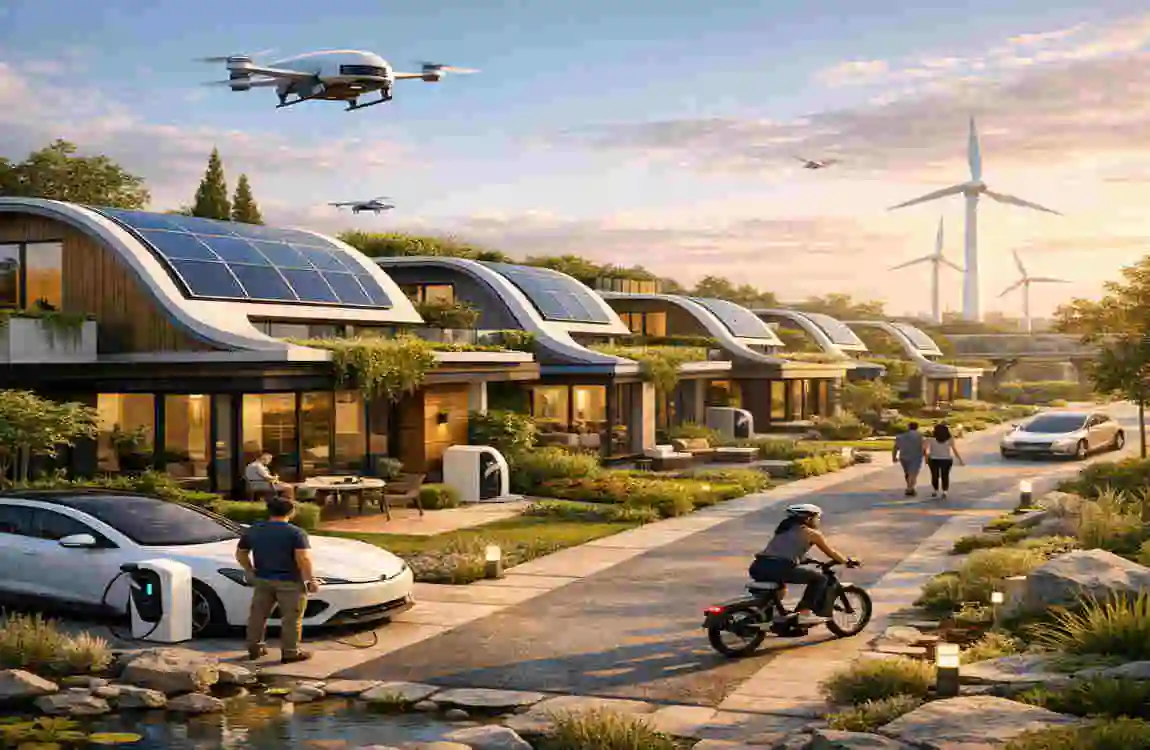
The future looks strong for attached housing. More people are moving to cities, land is becoming scarcer, and housing costs keep rising.
Growing Urban Demand
As more people look for homes near jobs and transport, efficient housing types will likely stay popular. Single attached homes fit that demand well.
Smart Housing Developments
New developments are adding better layouts, smart home features, improved insulation, and more attractive shared spaces. This makes the home style more appealing to modern buyers.
Sustainable Design Trends
Energy-efficient windows, better wall systems, and eco-friendly materials are becoming more common. These improvements make single attached homes even more practical.
Compact Living Preferences
Many buyers now prefer homes that are easier to manage. They want less waste, lower bills, and simpler living. This trend supports the growth of compact attached housing.
Government Housing Support
In some places, housing programs support denser, more affordable housing styles. That can help attached homes become even more common in the future.
FAQ
What is single attached house in simple words?
It is a home that shares one wall with another house but has its own entrance and private living space.
Is a single attached house cheaper than a detached house?
Yes, it is usually more affordable because it uses land more efficiently and is often less expensive to build.
Do single attached houses have privacy?
They do have privacy, but less than detached homes because of the shared wall.
Are single attached houses good for investment?
Yes, especially in cities and growing neighborhoods where demand for affordable housing is strong.
What is the main disadvantage of a single attached house?
The main drawbacks are reduced privacy and potential noise transfer through the shared wall.
| Benefit | Description |
|---|---|
| Affordable Living | Generally cheaper than detached homes due to shared structure and reduced land cost. |
| Better Space Utilization | Efficient design offers good living space even on smaller plots. |
| Shared Wall Efficiency | Shared walls can reduce construction and maintenance costs. |
| Energy Efficiency | Less exposure to outside walls can help with heating and cooling efficiency. |
| Lower Maintenance | Smaller exterior areas mean less upkeep compared to fully detached houses. |
| Urban Convenience | Often located in well-developed areas close to schools, markets, and transport. |
| Security Advantage | Close proximity to neighbors can enhance safety and security. |
| Community Living | Encourages a closer-knit neighborhood environment. |