

If you have been asking yourself when to buy a house in Florida, 2026 gives you a very interesting market to watch. Prices are cooling in several areas, inventory is rising, and mortgage rates are easing compared with the more painful highs buyers faced earlier. For many people, that creates a real opening.
In simple terms, this is not a market where you have to rush in unthinkingly. It is a market where timing can give you real power. When rates hover near 6%, buyers can finally breathe a little. When inventory rises, you get more choices. And when prices soften by 3% to 5% in some key Florida markets, you may be able to negotiate with more confidence.
| Season | Months | Inventory Level | Avg. Price Discount | Competition | Best For | Key Notes |
|---|---|---|---|---|---|---|
| Winter | Dec-Feb | High | 5-8% | Low | First-time buyers | Snowbirds add listings; January offers max choices, minimal bidding wars. |
| Late Summer | Aug-Sep | Rising | 6-9% | Medium | Families pre-school | Post-vacation slowdown; homes linger longer for negotiations. |
| Fall | Oct-Nov | Highest | 8-10% | Lowest | Investors & deal hunters | 23% more homes, 76% sell below asking; top leverage window. |
| Spring | Mar-Jun | Medium | 0-3% | High | Avoid if possible | Peak demand drives bidding; prices up 5-10% from family moves. |
Florida Housing Market Forecast
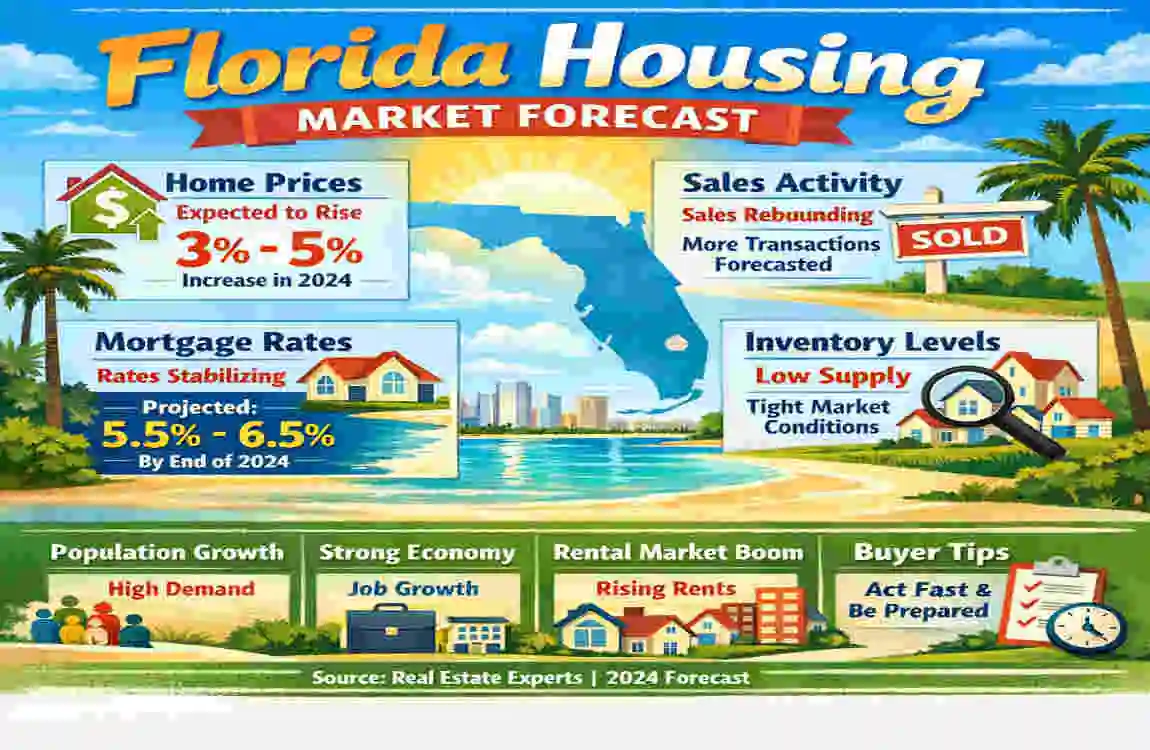
Florida’s housing market in 2026 looks much more balanced than the wild seller’s market many buyers remember. That does not mean every city behaves the same way. Some places still move fast. Others are cooling and giving buyers a better shot. Still, the overall direction is more favorable for people who are prepared.
Key Trends Shaping
One of the biggest changes in 2026 is the rise in available luxury homes. More listings mean buyers have more room to compare, think, and negotiate. That matters because the single hardest part of buying a home is often not the financing itself. It is the pressure of competing against too many other buyers at once.
In Florida, the market is also benefiting from a broader shift toward balance. Sellers are not disappearing; they are simply becoming more realistic. Homes that used to attract fast and aggressive bidding are now sitting long enough for buyers to ask better questions. That changes the market mood in a very helpful way.
Another important point is that Florida is not showing signs of a crash scenario. Many homeowners still have solid equity positions, and that gives the market a cushion. Even if some areas see modest price drops, that is not the same as a deep collapse. For buyers, this is useful because it suggests a healthier market rather than a panic-driven one.
Some cities are seeing demand return more strongly, especially in places like Tampa and Jacksonville. Affordability improvements are helping buyers re-enter the market, which is a good sign for anyone trying to decide when to buy a house without feeling rushed into a bad deal.
The smartest way to think about 2026 is this: the Florida market is calmer, more inventory-rich, and more negotiable than it was during the peak frenzy. That means the best time to buy a house in Florida may be less about beating everyone else and more about choosing the right window and the right city.
Mortgage Rates and Affordability
Mortgage rates matter because they shape what you can actually afford each month. In 2026, rates hovering around 6% represent a major improvement compared with the heavier rate pressure buyers faced in earlier periods.
That change may not sound huge on paper, but it can make a real difference in monthly payments. A small drop in rates can free up hundreds of dollars over the life of a loan, and that can be the difference between stretching too far and buying with confidence.
For first-time buyers, this matters even more. A more stable rate environment makes planning easier. You can estimate your monthly cost with greater confidence, which helps you avoid making emotional decisions. If you are trying to figure out when to buy a house, lower and steadier financing conditions should always be part of the answer.
Here is a simple way to look at possible payment paths for a $400,000 home:
Rate Path30-Year FixedMonthly P&I (est.)
Steady 6.0% $2,398
Easing 5.5% $2,272
That gap may seem modest, but it adds up over time. It also affects your approval amount, your comfort level, and your confidence as a buyer. If rates keep easing, more people may re-enter the market, which can improve competition in some neighborhoods. So yes, cheaper financing helps, but it can also bring more buyers back.
That is why the question of when to buy a house in Florida is never just about rates. It is about how rates, inventory, and price movement work together.
What This Means for Buyers
If you are buying in 2026, you should think like a strategic shopper, not a desperate one. The market gives you more breathing room than before, so use it.
You do not need to be first to act. You need to be prepared to act well.
That means watching local price trends, checking how long listings stay on the market, and paying attention to whether sellers are making concessions. It also means understanding your own budget before you fall in love with a house that is outside your comfort zone.
In a market like this, timing is a tool. If you know when to buy a house, you can use that tool to buy with more leverage and less stress.
Best Seasons to Buy a House in Florida
Seasonality matters a lot in Florida. People move at different times of the year, snowbirds come and go, families plan around school schedules, and seasonal demand changes the mood in each region.
If you want the best time to buy a house in Florida, you need to think beyond just the calendar. You need to consider who else is shopping, how much inventory is available, and the pressure sellers are under.
Winter: Lowest Competition
Winter, especially from December through February, is one of the most attractive periods for buyers seeking less competition.
This is a great time to buy because many casual buyers are not actively searching. Some people are busy with holidays. Others are waiting for spring. And in certain parts of Florida, the market becomes more active with snowbirds, which can increase inventory and create unique opportunities.
The key benefit of winter is not always the absolute lowest price. It is the lower level of bidding pressure. When fewer buyers are competing, you can think more clearly. You can inspect more carefully. You can make a calmer offer.
January can be especially useful in South Florida. That is when buyers may find more choices without the intense chaos that usually arrives later in the year. If you are asking when to buy a house and you want a quieter process, winter deserves serious attention.
Why winter can work so well
- Sellers may be more motivated to close quickly.
- Buyers often face fewer competing offers.
- Homes can stay on the market a bit longer.
- You have more room to negotiate on price or repairs.
That makes winter a strong option for first-time buyers who want less stress. It also works well for anyone who values control over speed.
Late Summer and Fall: Strong Negotiation Power
If winter is about calm, late summer and fall are about leverage.
From August through October, Florida often sees stronger inventory levels. In some years, more homes sit on the market, and sellers become more open to price cuts or concessions. That can create some of the best buying conditions of the year.
This is especially useful if you are trying to buy below the asking price. In certain markets, stunning homes may sell for less than the list price more often than they do during the spring rush. For a patient buyer, that is a major advantage.
Many people view fall as the best time to buy a house in Florida because it combines more selection with less emotional pressure. Buyers who missed out earlier in the year often step back. Sellers who have been waiting too long may become more flexible. That creates a better negotiating environment.
October is often the sweet spot. It can offer a good mix of inventory and seller motivation. If you are looking for discounts, this is the season when you can push harder without feeling like you are forcing the deal.
Spring Surge: Why It Is Often the Most Expensive Time
Spring is when many buyers flood the market.
Families want to move before the new school year. The weather is pleasant. More people feel ready to make a change. And because all of this happens at once, competition rises quickly.
That is why spring can be the hardest season for anyone trying to decide when to buy a house. Prices can rise as more buyers compete for the same homes. In some neighborhoods, you may see several offers at once. In hot areas, homes can sell very quickly.
This does not mean spring is impossible. It just means you need to be more disciplined. If you buy in spring, know your budget and limits, and be prepared to move quickly. Otherwise, you may end up overpaying to keep up.
Quick seasonal comparison
SeasonInventory LevelAvg. DiscountBest For
Winter High 5-8% First-timers
Fall Highest 8-10% Investors
This simple table shows the basic idea. Winter and fall give you more breathing room. Spring usually gives sellers more power. If your goal is to buy smarter, not faster, the answer to when to buy a house usually leans away from spring.
The Best Seasonal Strategy
The best seasonal strategy is to watch your local market, not just the calendar.
Florida is not one single housing market. What happens in Miami may not happen in Tampa. What happens in Jacksonville may not happen in Cape Coral. So while seasonality helps, you should still look at local inventory, local days on market, and local price reductions.
If a city is already seeing price drops and increased listings, that season could be especially powerful for you. If a city is still hot, you may need to wait for a different window.
The real answer to when to buy a house is often the season when your chosen area has the most homes and the fewest aggressive buyers.
Top Florida Regions Buyers
Not every Florida market offers the same kind of opportunity. Some areas are better for first-time buyers. Others work better for investors or people seeking long-term value. If you choose wisely, it helps to look at it region by region.
Tampa Bay and Nearby Suburbs
Tampa Bay remains one of the most attractive areas for buyers in 2026.
Why? It offers a mix of job growth, lifestyle appeal, and potential for price correction. For many buyers, that combination is hard to beat. Tampa is still desirable, but it is not nearly as frenzied as it was in the hottest years. That gives buyers a better chance to negotiate.
Suburbs around Tampa can be especially useful if you want more home for your money. You may find better square footage, newer construction, or neighborhoods with more price flexibility than in the central city.
For first-time buyers, this area can be a smart entry point. You get a major metro market without always paying top-dollar pricing. If you are thinking about when to buy a house and where to do it, Tampa Bay deserves a close look.
Jacksonville: A Practical Investor Market
Jacksonville often stands out for affordability.
Compared with some of Florida’s more expensive coastal markets, Jacksonville gives investors and long-term buyers a better shot at cash flow and lower entry prices. That is part of its appeal. You do not need to stretch as far to get into the market.
The city also benefits from steady demand and a large metro footprint. That helps support rental interest in some areas, which matters if you are buying as an investor or planning to hold the home for a long time.
Jacksonville can be a particularly good place to buy when coastal markets feel overheated. In those cases, buyers may shift inland or toward more affordable metro areas, and Jacksonville often catches that attention.
If your goal is value, not just lifestyle, then Jacksonville may be the answer to your search for the best time to buy a house in Florida.
Cape Coral and Fort Myers: Value Plays for Patient Buyers
Cape Coral and Fort Myers are worth watching closely in 2026 because they may offer value for buyers willing to be patient.
These markets have experienced periods of strong movement. Still, current conditions may favor buyers over sellers in certain segments. That means you may see more room to negotiate, especially if a property has been on the market for a while.
This is the kind of market where careful buyers can do well. If you are not in a rush and want to wait for the right property, you might find homes priced to reflect current conditions rather than past highs.
That said, these areas also require attention to local details. You should carefully compare neighborhoods, check flood and insurance costs, and understand how long homes stay listed before making an offer.
Regional comparison
RegionMedian Price 2026 (est.)Why Buy Now
Tampa $385K Price cuts
Jax $320K Affordability
This table gives you a simple snapshot. Tampa offers price-cut opportunities and future upside. Jacksonville offers affordability and practical buying conditions. Both can be strong answers to when to buy a house, depending on what you value most.
Choosing the Right Region for Your Goals
The best region for you depends on your goal.
If you want a family home and a metro lifestyle, Tampa might be a strong fit. If you care more about affordability and cash flow, Jacksonville may be a better fit. If you want a value-focused purchase and you are willing to study the market closely, Cape Coral or Fort Myers may offer more room to negotiate.
Always remember this: the best time to buy a house in Florida is not just about the month. It is about matching your goals to the right local market.
Smart Buyer Strategies
A good market does not automatically lead to a good purchase. You still need a plan. If you want to make the most of Florida’s shifting conditions, you need a smart approach from start to finish.
Pre-Buy Checklist
Before you start touring homes, get your basics in order.
A clear checklist keeps you from making emotional decisions. It also helps you act faster when the right property appears.
Your pre-buy checklist should include:
- Mortgage pre-approval, so you know your real budget.
- Neighborhood research so you understand local price patterns.
- Inventory tracking to spot rising supply.
- Insurance estimates so you do not get surprised later.
- Plan your repair budget so small fixes don’t wreck your finances.
- Offer a strategy so you know your walk-away point before negotiations begin.
This checklist matters because it turns guesswork into preparation. When you are ready, you can move quickly without feeling rushed.
If you are serious about when to buy a house, preparation is part of the answer. Buyers who plan almost always have more options than buyers who react late.
Negotiation Tactics by Buyer Type
Different buyers should use different strategies. A first-time buyer does not need to behave like a seasoned investor. Your timing should match your goal.
First-time buyers
If this is your first home, look for concessions. Ask for help with closing costs. Look for homes that have been on the market a bit longer. Focus on value instead of trying to win a bidding war.
The best timing for many first-time buyers is often January, when the market tends to be quieter, and sellers may be more open.
Investors
If you are buying for rental income or long-term appreciation, fall can be very powerful. October often brings more inventory and more urgency from sellers. That can help you secure better terms or buy multiple properties with less competition.
Move-up buyers
If you already own a home and are selling before you buy, timing matters on both sides. You want to avoid paying too much for the next home while also getting a strong price for the one you are selling. That may mean using a longer planning window and looking for a balanced season rather than a hot one.
Here is a quick persona table:
Buyer Type: Optimal Timing, Key Tactic
First-Time January Concessions
Investor October Bulk inventory
The lesson is simple. The question of when to buy a house has different answers depending on who you are. Your strategy should fit your situation.
Financing and Risk Management
Financing can make or break your deal.
Even if you find the right house at the right time, you still need to protect yourself from rate changes and hidden ownership costs. In Florida, insurance and weather risk also matter. That means your monthly payment is not just principal and interest. It may include insurance premiums that can shift over time.
Smart financing habits
- Lock your rate early if you are close to closing.
- Compare lenders rather than accepting the first offer.
- Review insurance costs before making an offer.
- Keep cash reserves for repairs and surprises.
- Watch hurricane-related risks in the area you choose.
These steps help you buy with a clearer picture of the real cost. That is especially important in Florida, where climate and insurance can influence affordability just as much as the mortgage rate itself.
A buyer who considers all these costs is in a much better position than one who only looks at the sticker price.
How to Stay Calm During the Process
Buying a home is emotional. That is normal. But the more emotional you become, the more likely you are to overpay or settle for the wrong house.
So slow the process down when you can. Make space to compare homes. Ask questions. Read the fine print. If something feels off, step back and think before you move.
When people ask when to buy a house, they often expect a date on a calendar. But the truth is that the right time is also a state of readiness. If your finances, expectations, and local market all line up, you are in a much stronger position.
Common Mistakes to Avoid
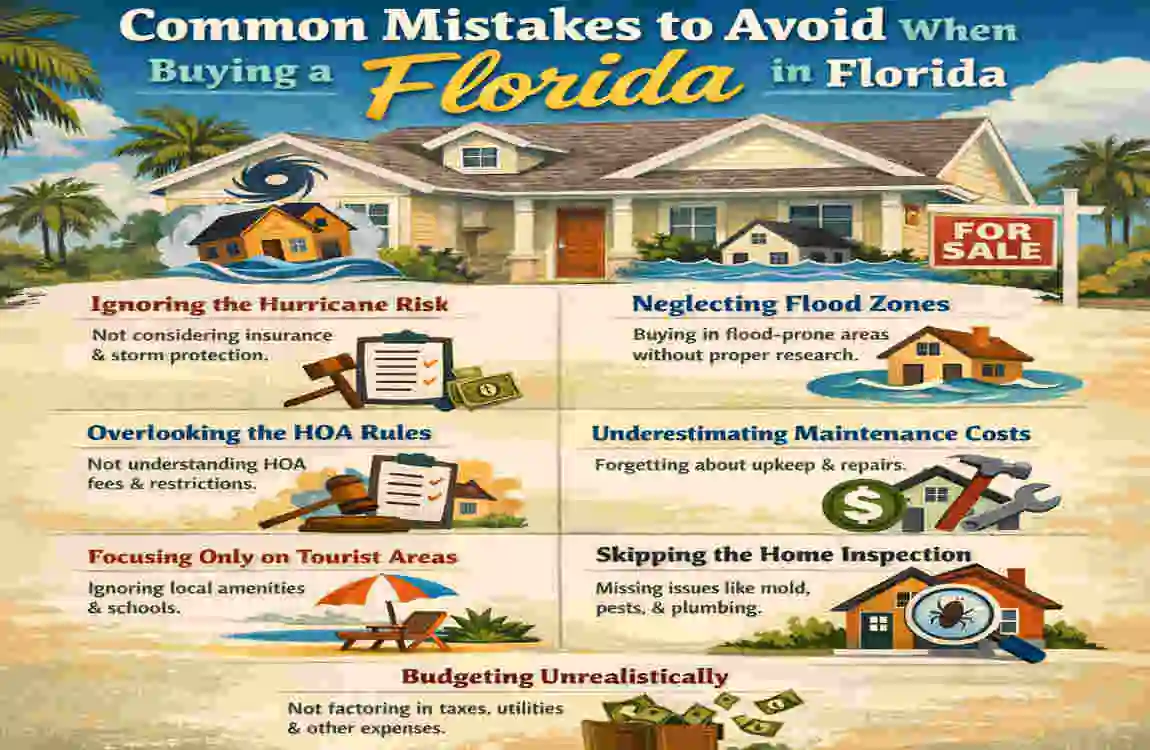
A good opportunity can turn into a bad purchase if you ignore the warning signs. That is why it helps to know the most common mistakes Florida buyers make.
Overpaying During Spring Competition
Spring can tempt buyers into emotional decisions.
A beautiful house, a few competing offers, and the fear of missing out can push you to pay more than you planned. That is one of the fastest ways to damage your budget. If you buy too aggressively in spring, you may spend years wishing you had waited.
This is why many buyers are better off treating spring as a research season rather than a buying season. If you buy them, do it with discipline.
Ignoring Local Seasonality
Florida is a big state, and local patterns matter.
South Florida, for example, can behave very differently from inland markets. Winter dips, snowbird activity, and regional buyer flows can create unique opportunities. If you ignore these local details, you may miss the real best time to buy a house in Florida for your target area.
Do not assume one city follows the same pattern as another. Check the data for the area where you actually want to live or invest.
Focusing Only on Price
A low price is good, but it is not the whole story.
A home with affordable pricing but high insurance costs, flood exposure, or serious repair issues may not be a bargain at all. In Florida, the true cost of ownership is often bigger than the sale price. That is why due diligence matters so much.
Not Having a Clear Budget
This is one of the most avoidable mistakes.
If you do not know your comfort zone, you can talk yourself into too much house. That may feel manageable at first, but it can quickly become stressful.
A clear budget should include:
- Monthly mortgage payment
- Insurance
- Taxes
- Utilities
- Maintenance
- Repairs
- Emergency savings
If your numbers are unrealistic, the timing question becomes less important than the affordability issue.
Forgetting the Long View
Some buyers get so focused on catching the bottom that they miss the bigger picture.
You do not need to buy at the absolute lowest point to make a smart move. You need to buy at a time that gives you a fair price, manageable financing, and a home that fits your needs. That is a much better goal.
And in many cases, that is what the when to buy a house question should really be about: not perfection, but practical advantage.
Most common mistakes at a glance
- Buying too fast during the spring demand
- Ignoring neighborhood-level trends
- Forgetting insurance and maintenance costs
- Making offers without pre-approval
- Chasing the “perfect” bottom instead of a good deal
If you avoid these mistakes, you will already put yourself ahead of many other buyers.
when to buy a house in Florida FAQ
When is the best time to buy a house in Florida?
The best time is usually late summer to early fall (August–October) when competition is lower, and sellers may reduce prices.
Is winter a good time to buy in Florida?
Winter (December–February) can be competitive due to seasonal buyers, but you may find more listings and desirable properties.
Are home prices cheaper in Florida during certain months?
Yes, prices can be slightly lower in late summer and fall when demand drops after peak season.
Should I avoid buying during hurricane season?
Not necessarily. Hurricane season (June–November) may offer better deals, but always check insurance costs and property safety.
When is the busiest home-buying season in Florida?
The busiest time is spring (March–May) when inventory is high, but competition and prices are also higher.
Is it better to buy in Florida as a first-time buyer during the off-season?
Yes, the off-season gives first-time buyers more negotiating power and less pressure.
Does the Florida climate affect the home-buying timeline?
Yes, weather and tourism trends influence demand, making cooler months more competitive and hotter months more favorable for deals.
How far in advance should I plan to buy a house in Florida?
Start planning at least 3–6 months to secure financing, research areas, and find the right property.