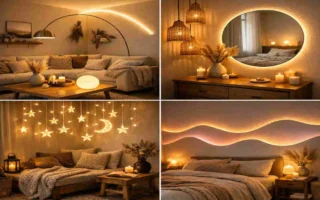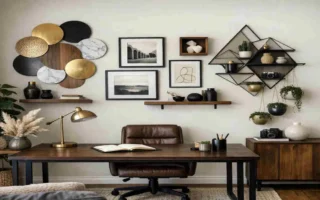
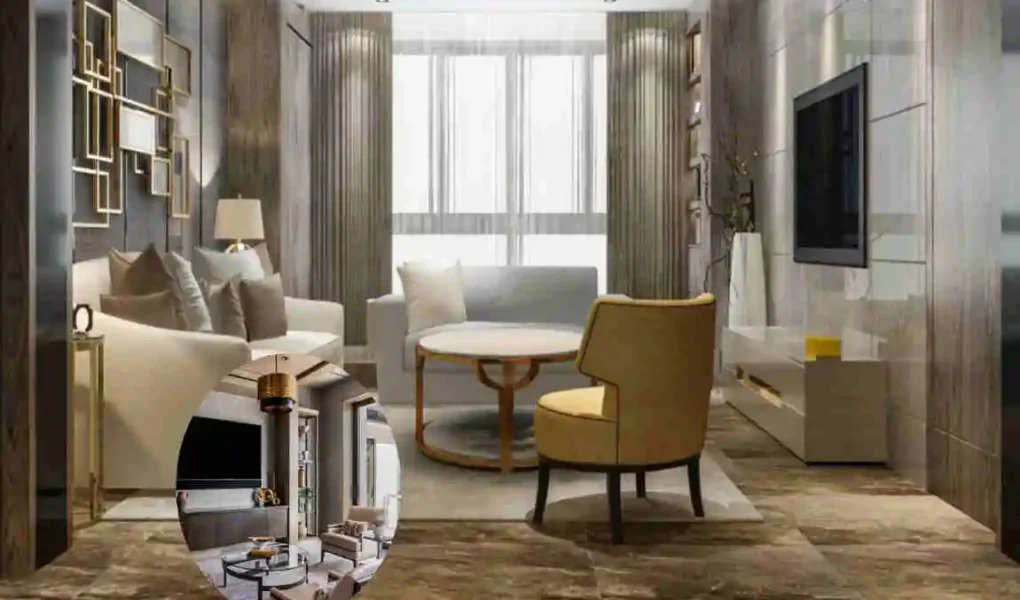
If you are trying to understand the difference between an interior designer and an interior decorator, the simplest answer is this: an interior designer improves how a space works. In contrast, an interior decorator improves how a space looks and feels. Designers often handle layouts, renovations, lighting, and technical planning. Decorators focus on furniture, colours, textiles, artwork, and styling.
Understanding Interior Designers and Decorators
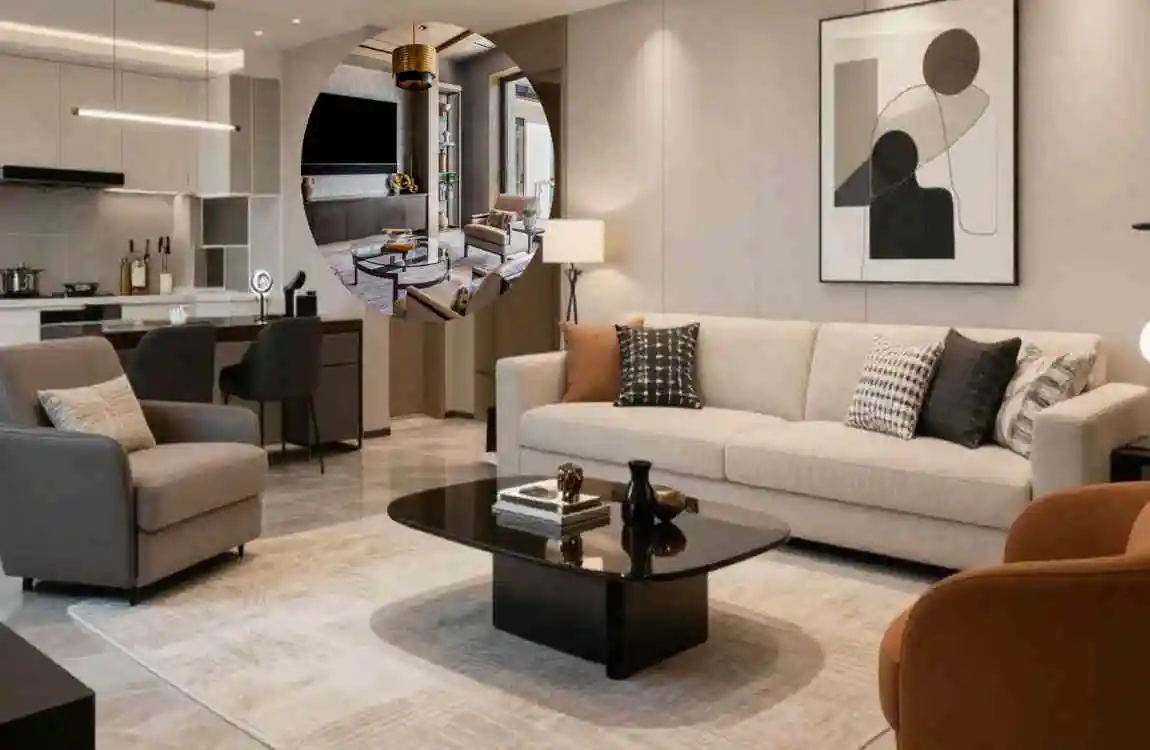
Both professionals make homes more attractive and comfortable. However, they start at different stages and use different skills.
What Does an Interior Designer Do?
An interior designer plans and improves the function, safety, and flow of interior spaces. They often start their work before a room is built or renovated. They study how people use a space and create layouts that make daily life easier.
An interior designer may help with:
- Space planning and room layouts
- Kitchen, bathroom, and whole-home renovation planning
- Lighting design and electrical placement
- Material selection, such as flooring, tiles, cabinetry, and countertops
- Furniture layouts that improve movement and usability
- Coordination with architects, builders, and contractors
For example, if your kitchen feels crowded, a designer may recommend moving cabinets, changing the work triangle, improving lighting, or reconfiguring storage. These decisions affect construction, plumbing, and electrical work—not just appearance.
What Does an Interior Decorator Do?
An interior decorator focuses on the visual styling of a finished space. They make rooms feel cohesive, inviting, and personal through color, texture, furniture, and accessories.
A decorator commonly helps with:
- Choosing paint colours and colour schemes
- Selecting sofas, tables, beds, and accent furniture
- Choosing curtains, rugs, cushions, and bedding
- Styling shelves, walls, and tabletops
- Selecting artwork, mirrors, lamps, and decorative accessories
- Creating a consistent style across one room or the whole home
If your living room has a good layout but feels boring, a decorator can transform it with a new colour palette, better lighting, layered textiles, and carefully chosen accessories.
Why Are These Roles Often Confused?
The confusion is understandable because both roles deal with beautiful interiors. Both may suggest furniture, colours, fabrics, and décor. In many projects, their work overlaps.
The key difference is scope. A designer may decorate, but a decorator usually does not handle structural planning, building codes, or major renovation coordination. In short, designers often work on the “bones” of a space, while decorators work on the “finishing touches.
What Is the Difference Between Interior Designer and Interior Decorator?
Education and Professional Training
Interior designers usually receive formal training in design principles, space planning, building systems, drafting, and safety. Depending on location and project type, they may need a degree, certification, license, or registration. For example, the NCIDQ credential requires approved education, supervised experience, and an examination.
Interior decorators do not always need formal education or licensing. Many develop strong skills through courses, experience, and a well-developed sense of style. However, professional decorators may still hold degrees or certifications in interior decorating or related fields.
Requirements vary by country, state, and project type. Always ask a professional about their qualifications, especially if your project involves construction or structural changes.
Skills and Responsibilities
An interior designer combines creative and technical skills. They think about traffic flow, furniture measurements, accessibility, lighting levels, ventilation, safety, and how each room connects to the rest of the home.
An interior decorator focuses more on visual balance, style, mood, and personality. They understand how colours, patterns, textures, and proportions work together to create a finished look.
Project Scope and Decision-Making
A designer can be involved from the earliest planning stage. They may create floor plans, recommend structural changes, select permanent materials, and coordinate the technical side of a renovation.
A decorator usually begins after the layout and construction decisions are complete. They furnish and style the space so it feels complete and visually appealing.
Working With Contractors and Suppliers
Interior designers often work with architects, builders, electricians, plumbers, cabinetmakers, and contractors. They may prepare drawings, review plans, and help keep the project aligned with the agreed design.
Decorators more often work with furniture stores, fabric suppliers, upholsterers, artists, and accessory vendors. They may help you source pieces, manage deliveries, and style the final space.
Interior Designer vs Interior Decorator: Key Differences at a Glance
FeatureInterior DesignerInterior Decorator
Main focus Functionality and interior space Appearance and styling
Space planning Often included Usually works with existing layouts
Renovation projects May help plan and coordinate Typically focuses on finishes and furnishings
Furniture selection Included when needed A major responsibility
Colour and materials Selects based on design and function Selects for style and visual appeal
Education May require formal education or credentials Requirements vary by location
Best for Renovations and layout changes Refreshing and decorating rooms
When Should You Hire an Interior Designer?
Hire an interior designer when your project goes beyond decoration. This is especially true when your home’s layout, safety, or structure needs attention.
Consider a designer if you are:
- Building a new home
- Renovating a kitchen or bathroom
- Removing or adding walls
- Changing a room’s purpose
- Solving poor traffic flow or wasted space
- Planning lighting, electrical outlets, or built-in storage
- Coordinating a large project with contractors
For example, if you want to turn a formal dining room into a home office, a designer can assess lighting, outlets, storage, furniture placement, and how the new room connects with nearby spaces.
When Should You Hire an Interior Decorator?
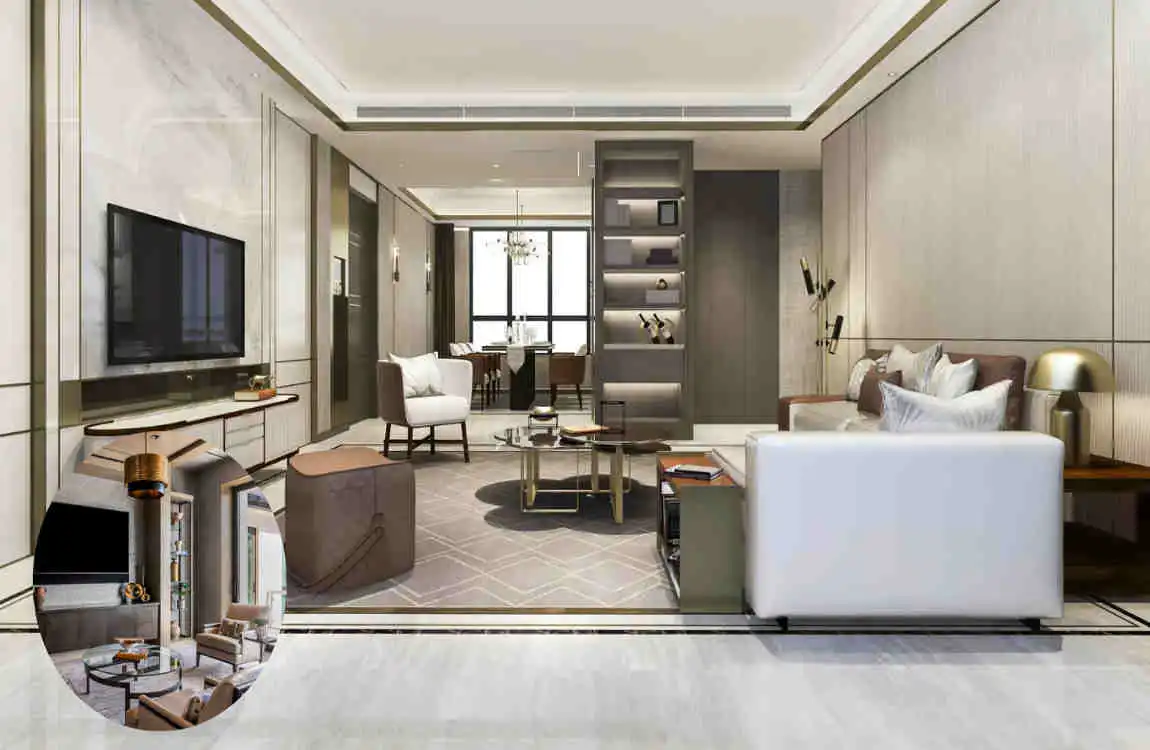
Hire an interior decorator when your home functions well but does not look or feel the way you want. A decorator is ideal for cosmetic updates and styling.
Consider a decorator if you want to:
- Refresh a living room, bedroom, or dining room
- Update furniture and accessories
- Choose a new colour palette
- Select curtains, rugs, and artwork
- Style a newly built home
- Create a cohesive look across several rooms
A decorator can be especially helpful when you feel overwhelmed by choices. Instead of buying pieces that don’t work together, you get a clear plan for furniture, colours, textures, and accessories.
Costs, Benefits, and Choosing the Right Professional
How Much Does an Interior Designer Cost?
Interior designer fees vary widely based on location, experience, project size, and level of involvement. Common pricing methods include hourly rates, flat project fees, or a percentage of the total project cost.
A small consultation may cost less than a full renovation package. Larger projects cost more because they may include drawings, site visits, contractor coordination, material sourcing, and project management.
How Much Does an Interior Decorator Cost?
Decorators may charge an initial consultation fee, an hourly rate, a flat fee per room, or a styling package price. Some also earn income through furniture and décor purchases.
Before hiring, ask exactly what the fee includes. A low consultation fee may not include shopping, installation, delivery coordination, or follow-up styling.
Benefits of Hiring the Right Expert
The right professional can save you time, money, and stress. They help you avoid expensive mistakes, such as buying furniture that is too large, choosing paint that clashes with flooring, or planning a layout that blocks movement.
- You get professional guidance backed by experience.
- You avoid costly design and purchasing mistakes.
- You save time by not having to compare products and coordinate vendors.
- Your home gets a more cohesive, polished result.
- You may increase comfort, usability, and long-term value.
Questions to Ask Before Hiring
Before you commit, ask clear questions about their experience and process.
- Have you completed projects similar to mine?
- Can I see your portfolio or past client work?
- What services are included in your fee?
- What is your estimated timeline?
- How do you handle budgets and unexpected costs?
- Do you work with contractors, suppliers, or tradespeople?
- Can you provide references from recent clients?
How to Decide Between an Interior Designer and Decorator
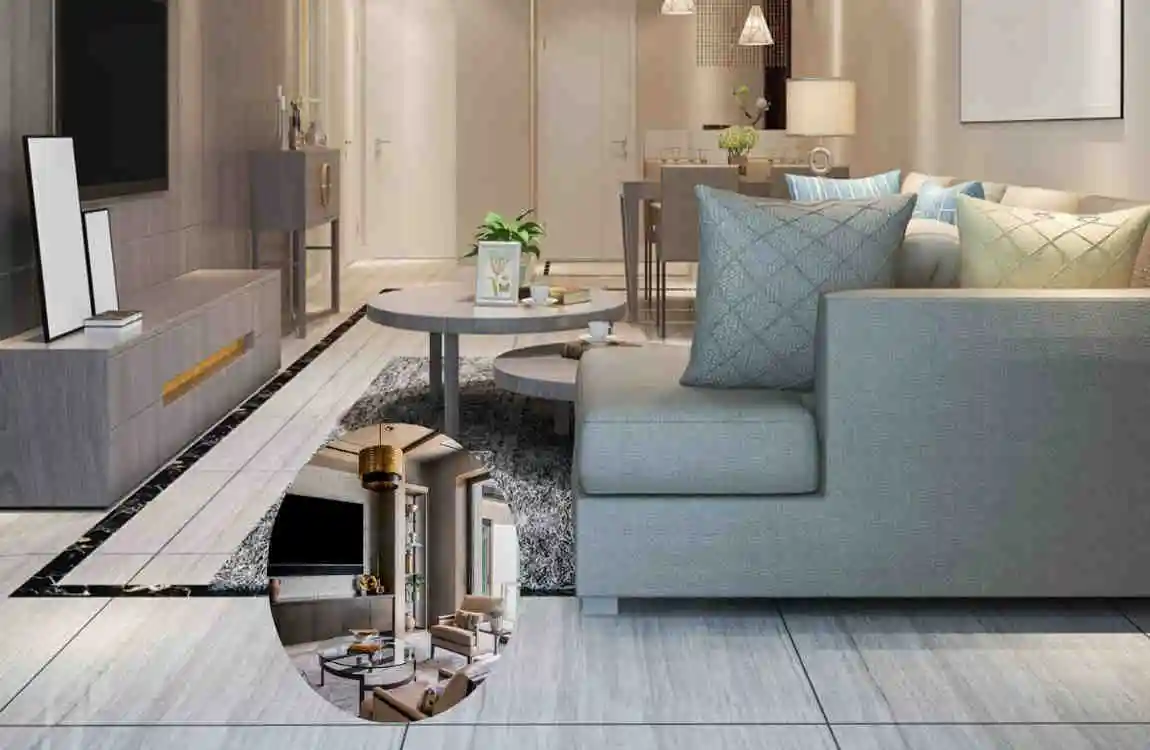
Assess Your Home’s Needs
Start by identifying the real problem. Ask yourself whether your home needs a better layout, a renovation, or simply a visual refresh.
If you need to change walls, improve flow, plan lighting, or coordinate construction, choose an interior designer. If you need furniture, colours, curtains, artwork, and styling, choose an interior decorator.
Set a Realistic Budget and Timeline
Decide how much you can comfortably spend before contacting professionals. Separate essential work from optional upgrades. For example, fixing poor lighting or an awkward layout may be more important than buying decorative accessories.
Get detailed proposals from more than one professional. Compare not only price, but also services, experience, timeline, and what is included.
Review Portfolios and Design Styles
Look at previous projects to see whether their style matches yours. A professional may be highly skilled but still not the right fit if their work does not reflect your taste.
Also pay attention to communication. You should feel comfortable sharing your budget, preferences, and concerns. A good professional listens carefully and explains recommendations clearly.
Can You Hire Both Professionals?
Yes. For larger projects, an interior designer and decorator can work together very effectively. The designer handles layout, construction planning, lighting, and technical coordination. The decorator then selects furnishings, textiles, art, and accessories to complete the space.
Clear responsibilities prevent overlap and confusion. Decide early who manages the budget, purchases, contractors, and final styling.
Frequently Asked Questions
What is the difference between an interior designer and an interior decorator?
An interior designer focuses on space planning, functionality, safety, and renovation-related decisions. An interior decorator focuses on furnishings, colour schemes, accessories, and visual styling.
Is an interior designer more qualified than a decorator?
Not automatically. Designers often have more technical training, especially for construction-related work, but decorators can be highly skilled in styling. Qualification requirements depend on the location and the type of work involved.
Can an interior decorator help with a home renovation?
A decorator may advise on finishes, furniture, colours, and styling. However, technical renovation planning, structural changes, and contractor coordination may require an interior designer or another qualified professional.
Which professional is best for a small living room?
If the room only needs better furniture, colors, and décor, hire a decorator. If the room feels cramped, has poor lighting, or needs a new layout, hire a designer.
Can an interior designer also decorate a home?
Yes. Many interior designers offer decorating services as part of a full-service package. Ask whether styling, furniture selection, and accessory sourcing are included.
| Feature | Interior Designer | Interior Decorator |
|---|---|---|
| Main Focus | Space planning, function, and design | Style, beauty, and appearance |
| Responsibilities | Layouts, lighting plans, materials, and finishes | Furniture, colors, curtains, and accessories |
| Structural Changes | May assist with layout changes and renovations | Usually focuses on existing spaces |
| Education | Often has formal design education | Training or experience in decoration |
| Best For | New homes, renovations, and space redesign | Refreshing rooms and improving home style |
| Design Elements | Walls, flooring, lighting, and space planning | Paint, furniture, rugs, artwork, and décor |
| Project Cost | Often higher for complex projects | Often more affordable for decorating projects |
| Project Scope | Functional and aesthetic improvements | Primarily visual improvements |
| Example | Redesigning a kitchen layout | Styling a living room with new furniture |
| How to Choose | Hire one for renovation or functional changes | Hire one for colors, furniture, and finishing touches |