If your home has old wiring, it may not be safe enough for today’s power needs. Many homeowners choose to rewire a 3-bedroom house when they notice electrical problems, plan a renovation, or want peace of mind.
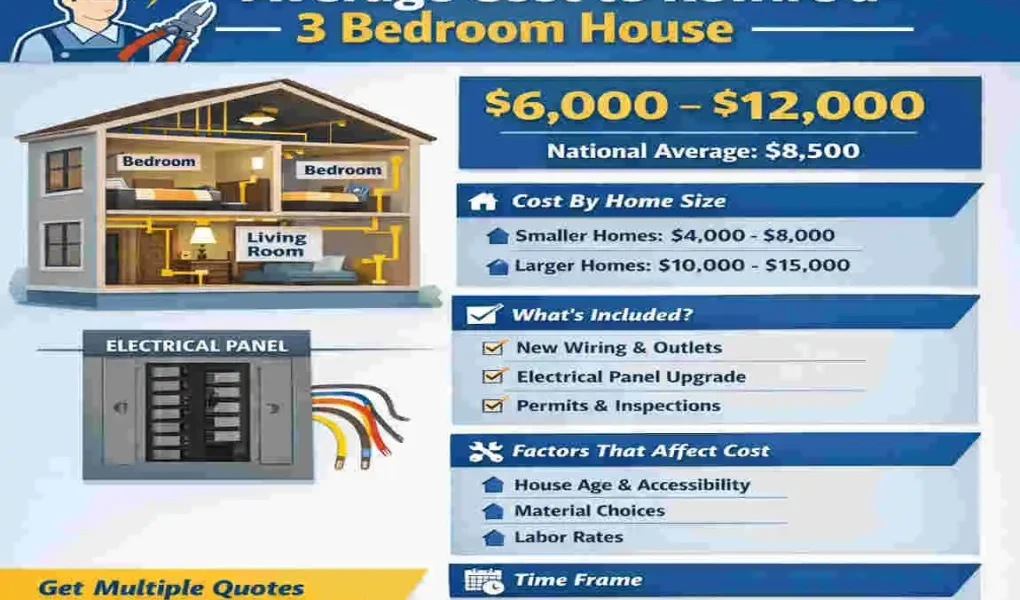
So, how much does it cost to rewire a 3-bedroom house? In most cases, the price ranges from $4,000 to $15,000, depending on the size of the home, the age of the wiring, labor costs, and the amount of work needed.
What Does Rewiring a House Mean?
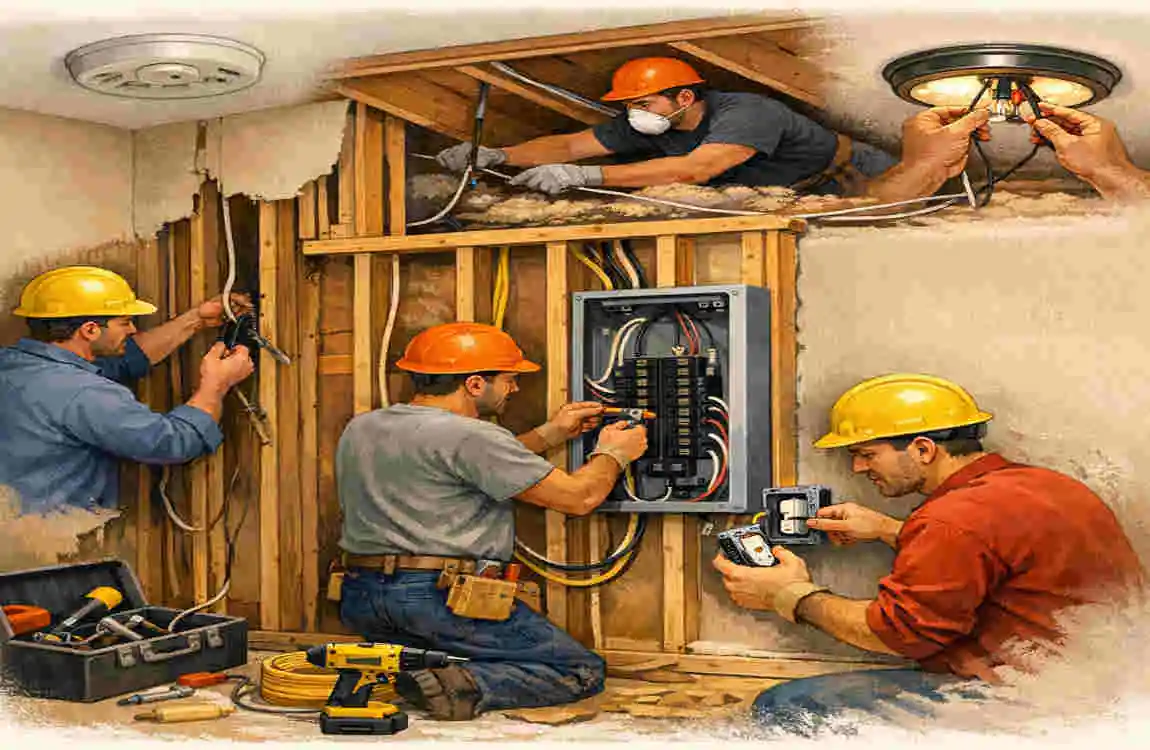
Full House Rewire Explained
Rewiring means replacing old electrical wires with new ones. It often includes new outlets, switches, circuits, and sometimes a new electrical panel.
This is a big job, but it helps make your house safer and better suited for modern appliances.
Partial vs. Full Rewire
A full rewire replaces most or all of the home’s wiring. A partial rewire only updates certain rooms or problem areas.
A partial job may work if only one section is damaged. A full rewire is better when the whole system is old or unsafe.
Average Cost to Rewire a 3 Bedroom House
Typical Price Range
Here is a simple look at the average cost:
Project TypeEstimated Cost
Low-end rewire $4,000–$6,000
Average rewire $6,000–$10,000
High-end rewire $10,000–$15,000+
Cost Breakdown Table
Cost Item Estimated Cost
Labor $2,500–$8,000
Materials $1,000–$3,000
Electrical panel upgrade $800–$2,500
Permit and inspection fees $150–$600
The final price depends on your home and the electrician you hire.
Factors That Affect Rewiring Costs
House Size and Layout
A larger or more complex layout usually costs more. Homes with many rooms, long hallways, or extra floors take more time and wiring.
Age of the Property
Older homes often need more work because the wiring may be outdated or damaged. Very old systems can also hide extra problems behind walls.
Accessibility of Wiring
If wires are easy to reach, the job is faster and cheaper. If walls, floors, or ceilings must be opened up more often, the cost rises.
Number of Electrical Outlets
More outlets, switches, and lights mean more materials and labor. A home with many electrical points will cost more to rewire.
Local Labor Rates
Electrician prices vary by location. In areas with higher living costs, you should expect higher labor charges.
Permit and Inspection Costs
Most rewiring jobs need permits and inspections. These add to the total, but they also help make sure the work is safe and legal.
Cost Breakdown by Project Component
Electrical Wiring
This is the main part of the job. New wiring helps carry power safely throughout the house and usually accounts for a large share of the total bill.
New Consumer Unit or Breaker Panel
If your old panel cannot handle modern power needs, it may need replacing. This is often a necessary upgrade during a full rewire.
Switches and Sockets
Replacing worn-out switches and sockets improves both safety and convenience. It also gives the house a more modern feel.
Lighting Installation
Some rewiring projects include new ceiling lights, fixtures, or upgraded lighting circuits. More lighting work means a higher cost.
Safety Testing and Certification
After the work is done, the electrician should test the system and provide certification. This step is important for safety and future home sales.
Signs Your 3 Bedroom House Needs Rewiring
Frequent Circuit Breaker Trips
If your breaker trips often, the system may be overloaded. That is a clear sign your wiring may need attention.
Flickering Lights
Lights that flicker or dim for no reason can indicate loose or failing wires.
Burning Smells
A burning smell near outlets or walls is a serious warning sign. You should call a professional right away.
Old Rubber or Fabric Wiring
Very old wiring materials can become brittle and unsafe over time. If your home still has these, rewiring may be overdue.
Insufficient Power Outlets
If you rely on too many extension cords, your house may not have enough outlets for modern use.
How Long Does It Take to Rewire a 3 Bedroom House?
Typical Timeline
Most rewiring jobs take 5 to 10 days. Smaller or simpler homes may finish sooner, while larger or older homes may take longer.
Factors That Can Delay the Project
Work may slow down if the electrician finds hidden damage, difficult access points, or old wiring that is harder to remove.
Occupied vs. Vacant Homes
A vacant house is easier to rewire because the electrician can work faster. If you live in the home during the project, it may take longer.
Can You Live in a House During Rewiring?
Safety Considerations
Yes, in some cases, you can stay in the home. But power may be turned off in different areas, which can be inconvenient.
Temporary Disruptions
Expect dust, noise, and limited access to some rooms. Kitchens and bedrooms may not always be fully usable during the work.
Pros and Cons of Staying During Work
Pros:
- You avoid hotel costs
- You stay close to the project
- You can check progress easily
Cons:
- More disruption
- Less comfort
- Possible power interruptions
Ways to Save Money on House Rewiring
Compare Multiple Quotes
Always get more than one estimate. Prices can vary a lot, and comparing quotes helps you find fair value.
Schedule Additional Electrical Work Together
If you also need lighting upgrades or new outlets, doing them at the same time may save money.
Prepare the Property in Advance
Clear furniture and make work areas easy to access. This can save the electrician time and reduce labor costs.
Choose Qualified Electricians
The cheapest quote is not always the best. A skilled electrician can help you avoid costly mistakes later.
Benefits of Rewiring a 3 Bedroom House
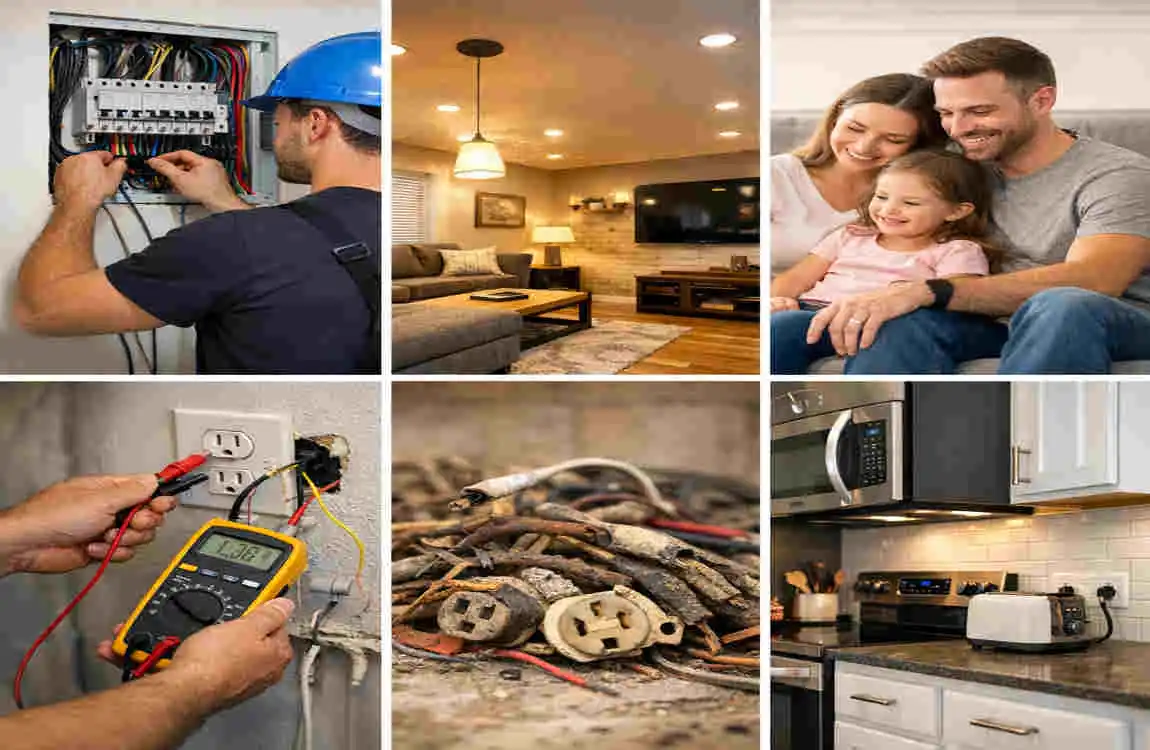
Improved Safety
This is the biggest benefit. New wiring reduces the risk of electric shock, fire, and electrical failure.
Better Energy Efficiency
Modern systems work more smoothly and can support today’s appliances without overloading.
Increased Property Value
Buyers often feel more confident in a home with updated wiring. That can make your property more attractive.
Compliance with Modern Electrical Standards
Rewiring helps your home meet current safety standards, which is important for inspections and insurance.
DIY vs. Hiring a Professional Electrician
Risks of DIY Electrical Work
Electrical work is risky. A mistake can lead to fire, injury, or major repair costs.
Legal and Insurance Considerations
In many places, rewiring must be done by a licensed professional. Insurance may also reject claims if the work was done badly.
Why Professional Installation Matters
A professional electrician knows how to do the job safely, correctly, and up to code. That gives you long-term peace of mind.
Frequently Asked Questions
How much does it cost to rewire a 3-bedroom house?
Most homeowners spend between $4,000 and $15,000, depending on the project size and location.
How long does it take to rewire a 3-bedroom house?
Usually 5 to 10 days, though older homes may take longer.
Does rewiring increase home value?
Yes, updated wiring can make your home safer and more appealing to buyers.
Can I stay in my house during rewiring?
Often, yes, but it may be inconvenient due to noise, dust, and power interruptions.
How often should a house be rewired?
Many homes should be checked after 25 to 40 years, especially if the wiring is old or damaged.
| Rewiring Item | Average Cost (USD) | Details |
|---|---|---|
| Basic Rewire | $4,500 – $8,000 | Replaces existing wiring in a standard 3-bedroom house. |
| Full House Rewire | $8,000 – $15,000 | Includes new wiring, outlets, switches, and electrical panel upgrades. |
| Electrical Panel Upgrade | $1,500 – $4,000 | Often required for older homes during rewiring. |
| New Outlets & Switches | $500 – $2,000 | Cost depends on quantity and quality of fixtures. |
| Labor Costs | $50 – $120 per hour | Varies by location and electrician experience. |
| Wall Repairs After Rewiring | $500 – $3,000 | Covers patching and repainting damaged walls. |
| Average Project Duration | 5–10 Days | Depends on home size and accessibility. |