
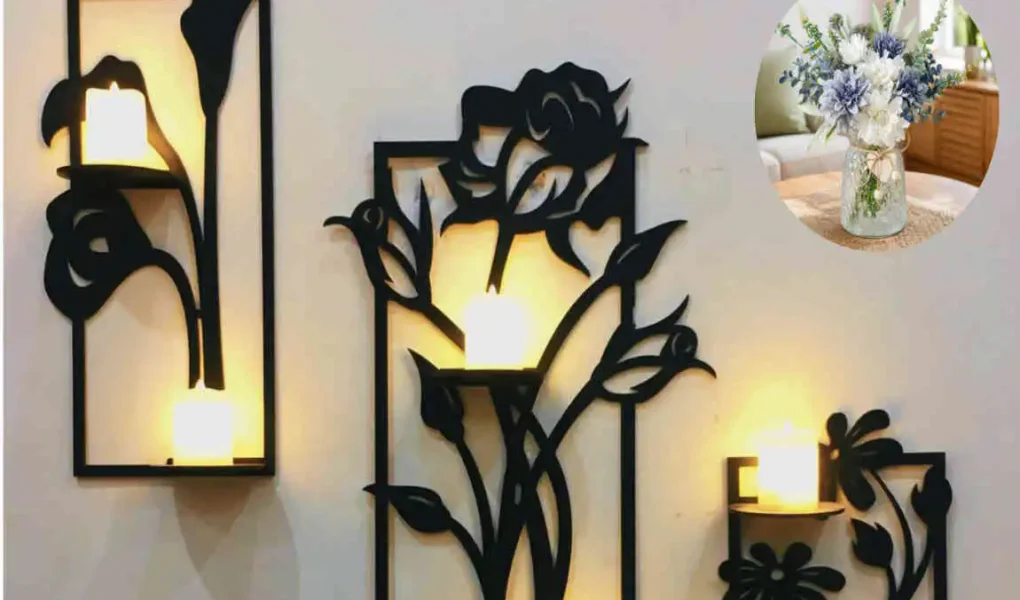
Floral design with light home decor combines flowers, greenery, natural light, and soft artificial lighting to create a bright, fresh, welcoming home. This simple decorating approach works in almost any interior style.
Flowers naturally bring color and life into a room. Pair them with light walls, bright windows, soft lamps, and simple furniture, and the whole space can feel more open and comfortable.
This style does not mean filling every room with large flower arrangements. Instead, use flowers thoughtfully so they complement the existing furniture, colors, and lighting.
Choosing the Right Flowers for Light Home Decor
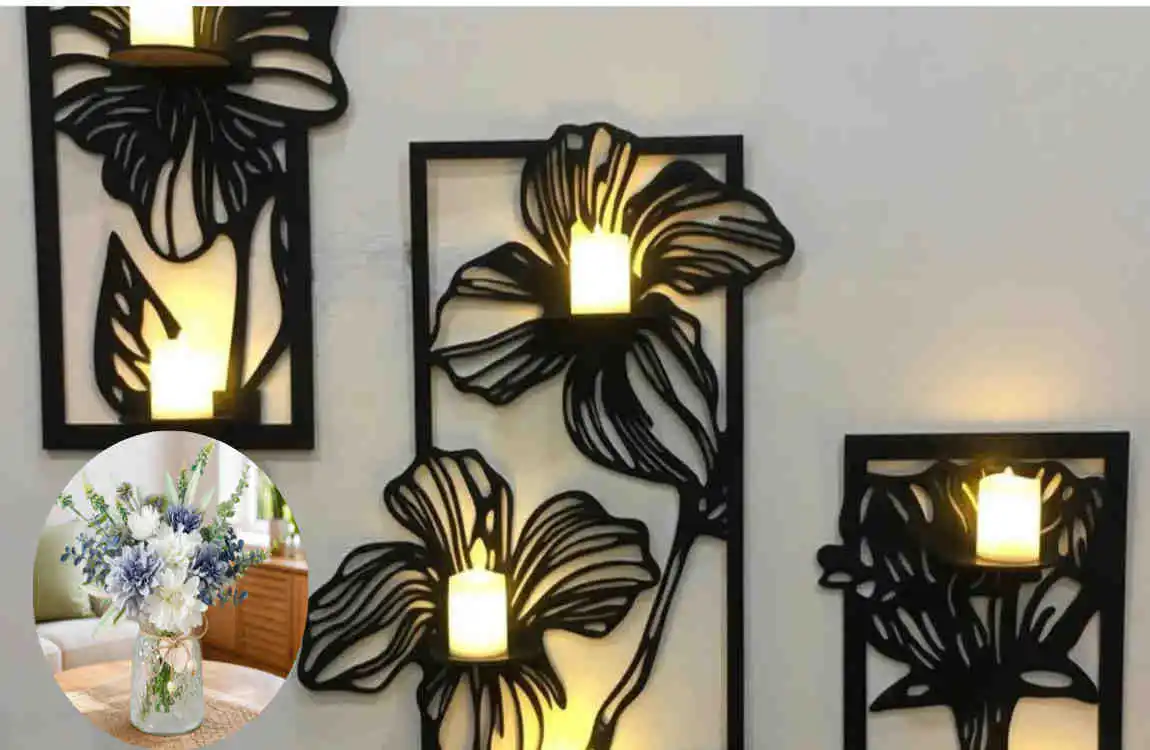
Choosing the right flowers is an important part of creating a balanced floral interior. Consider the room’s colors, available light, furniture style, and how much maintenance you want to handle.
Fresh Flowers for a Natural Look
Fresh flowers are ideal when you want your home to feel lively and natural. Roses, tulips, daisies, hydrangeas, and baby’s breath can all work beautifully in light interiors.
White flowers are especially useful because they blend easily with neutral furniture and pale walls. Soft pink, peach, lavender, and light yellow can add color without making the room feel heavy.
Place fresh flowers where you can enjoy them regularly, such as a dining table, coffee table, kitchen island, or entryway console.
Dried and Preserved Flowers
Dried flowers offer a more relaxed, long-lasting option. They work especially well in homes with neutral colors and natural materials.
Dried grasses, preserved baby’s breath, and muted floral arrangements can add texture without introducing strong colors.
They also work well with rattan, wood, ceramic, linen, and woven accessories, making them a good choice for modern and rustic interiors.
Seasonal Flowers and Greenery
Seasonal flowers are often an affordable way to keep your décor fresh. They also let you change your home’s look throughout the year.
Greenery is another excellent option. Eucalyptus, simple branches, leafy stems, and other suitable greenery can create a natural look, even when you don’t want colorful flowers.
Matching Flowers With Light Interiors
When your walls and furniture are light, choose flowers that complement them rather than compete.
Soft colors work particularly well with white, cream, beige, pale gray, and light wood.
For a stronger accent, you can use one deeper color, such as burgundy, dark green, or blue. Keep the accent limited so the room remains visually light.
Best Lighting Ideas for Floral Home Decor
Lighting is just as important as the flowers themselves. The right lighting can make an arrangement look elegant, while poor lighting can make even beautiful flowers appear dull.
Natural Light and Large Windows
Natural light is one of the easiest ways to improve floral décor. A bright window can provide a beautiful background for flowers and greenery.
Place arrangements near windows where they can receive suitable indirect light. However, remember that not every flower or plant should sit in direct sunlight for long periods.
Light curtains can help soften strong sunlight while keeping the room bright.
Pendant and Chandelier Lighting
Pendant lights and chandeliers can add style above dining tables and kitchen islands. If you place flowers below these fixtures, the lighting can help draw attention to the arrangement.
Choose fixtures that match the overall room. Simple glass, metal, or natural-material designs often work well with modern floral decorating.
Table and Floor Lamps
Table lamps help create a warm atmosphere in living rooms and bedrooms.
Place a small floral arrangement beside a lamp rather than directly in front of it. This creates layers of light and décor without blocking the fixture.
Floor lamps can also brighten dark corners and make greenery or floral wall art more noticeable.
LED and Accent Lighting
LED lighting gives you many options for highlighting decorative areas. Use small accent lights near shelves, artwork, cabinets, or architectural features.
For most relaxing home environments, warm or soft-white lighting works well. Cooler lighting can create a cleaner appearance but may make some floral colors look less warm.
Floral Design Ideas for Different Rooms
Every room has different needs, so your flower arrangements should match the space.
Living Room Floral Arrangements
The living room usually provides the most opportunities for floral décor.
A medium-sized vase on a coffee table can become a simple focal point. You can also place flowers on a console table, bookshelf, or side table.
If your living room already has patterned furniture, keep the floral arrangement simple. If the furniture is neutral, you can introduce more color through flowers.
Bedroom Flower Decor
Bedrooms benefit from calm and subtle floral designs.
Choose small arrangements in soft colors and place them on a bedside table, dresser, or reading area. White flowers, pale pinks, greenery, and dried arrangements can create a peaceful atmosphere.
Avoid using oversized arrangements if you want the bedroom to feel relaxed and uncluttered.
Kitchen and Dining Area
The kitchen can benefit from small floral touches. A simple vase on a countertop or island can bring warmth to an otherwise functional area.
For dining rooms, a floral centerpiece can create an attractive focal point. Keep it low enough that people can see across the table comfortably.
Bathroom and Entryway
Bathrooms often need only a little decoration. A tiny vase with greenery or dried flowers can make the space feel more welcoming.
The entryway is an excellent place for a larger statement arrangement. A vase on a console table can create a strong first impression without requiring major decorating changes.
Popular Floral Design With Light Home Decor Trends
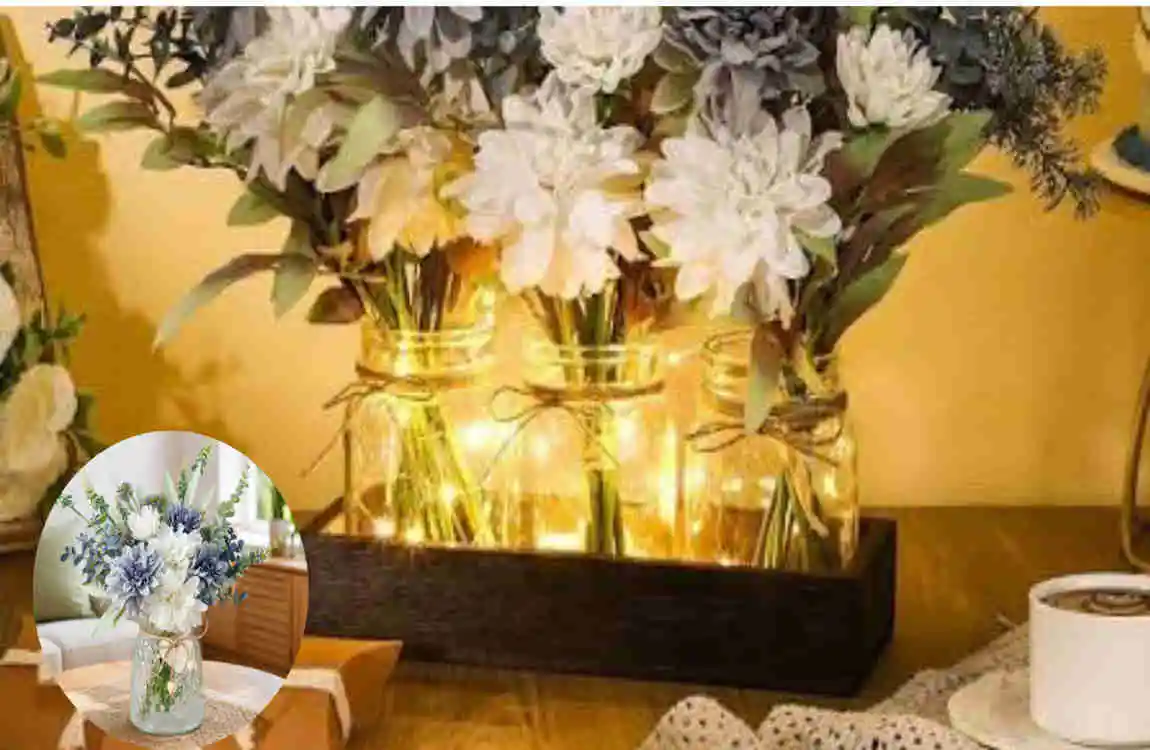
Modern floral design with light home decor focuses on simplicity, natural textures, and carefully selected accents.
Minimalist Floral Arrangements
Minimalist floral decorating uses fewer flowers and more open space.
Instead of filling a large vase with many different flowers, choose a small group of matching stems. This approach creates an elegant appearance while keeping the room visually clean.
Soft Pastel Floral Decor
Pastel flowers work beautifully with light interiors. Soft pink, lavender, pale blue, cream, and light yellow can introduce color while maintaining a peaceful atmosphere.
Pastels work especially well in bedrooms, sitting rooms, and dining spaces.
Botanical Wall Art
Botanical artwork offers another way to introduce floral elements without using fresh flowers.
Framed leaf prints, floral illustrations, pressed-flower artwork, and nature-inspired paintings can add personality to walls.
Use simple frames to maintain a modern appearance.
Floral Table Centerpieces
A floral centerpiece can instantly improve a dining table or coffee table.
For a modern look, use a simple ceramic or glass vase with a limited number of flowers. For a more traditional style, you can create a fuller arrangement with several complementary colors.
Natural Materials With Flowers
Flowers look especially attractive when combined with natural materials.
Try pairing floral arrangements with:
- Light wood
- Rattan
- Glass
- Ceramic
- Linen
- Woven baskets
These materials add warmth and texture while supporting the natural theme.
Avoiding an Overdecorated Look
The biggest mistake in floral decorating is using too many decorative elements at once.
If you already have floral curtains, artwork, cushions, and a large centerpiece, adding several more floral accessories may make the room feel busy.
Instead, choose one or two main floral features and keep the rest of the room simple.
Tips for Creating a Beautiful Floral and Light Interior
A successful floral interior depends on balance. You want the flowers to add beauty without taking over the room.
Keep a Balanced Color Palette
Start with the existing colors in your room. If your furniture is beige and your walls are white, soft pink or green flowers may complement the space beautifully.
Repeat one or two colors throughout the room rather than introducing many unrelated shades.
Match Flowers With Furniture and Walls
Your flower arrangements should feel connected to the surrounding décor.
For example, a wooden table may look attractive with greenery and a ceramic vase. In contrast, a glass table may suit a delicate arrangement in a transparent vase.
Use Different Heights and Textures
Do not make every decorative object the same height. Pair tall stems with shorter flowers for a more natural look.
Different textures also make floral décor more interesting. Mix smooth glass, rough ceramic, woven materials, and natural wood where appropriate.
Avoid Crowding Surfaces
Give your flowers some breathing room. A single attractive vase can have more impact than several small objects competing for attention.
This is especially important in small rooms where too many accessories can make the space feel cramped.
Maintain Fresh Flowers Properly
Fresh flowers need regular care. Trim the stems, keep the water clean, and remove damaged leaves or petals.
Place arrangements away from excessive heat and direct sunlight when appropriate. Proper care can help flowers remain attractive for longer.
Consider Artificial Flowers
Artificial flowers are useful when you want a low-maintenance solution. Choose realistic materials, natural-looking colors, and arrangements that are not overly perfect.
High-quality artificial greenery also works well in areas where fresh flowers won’t last.
How to Create a Floral Design With Light Home Decor on a Budget
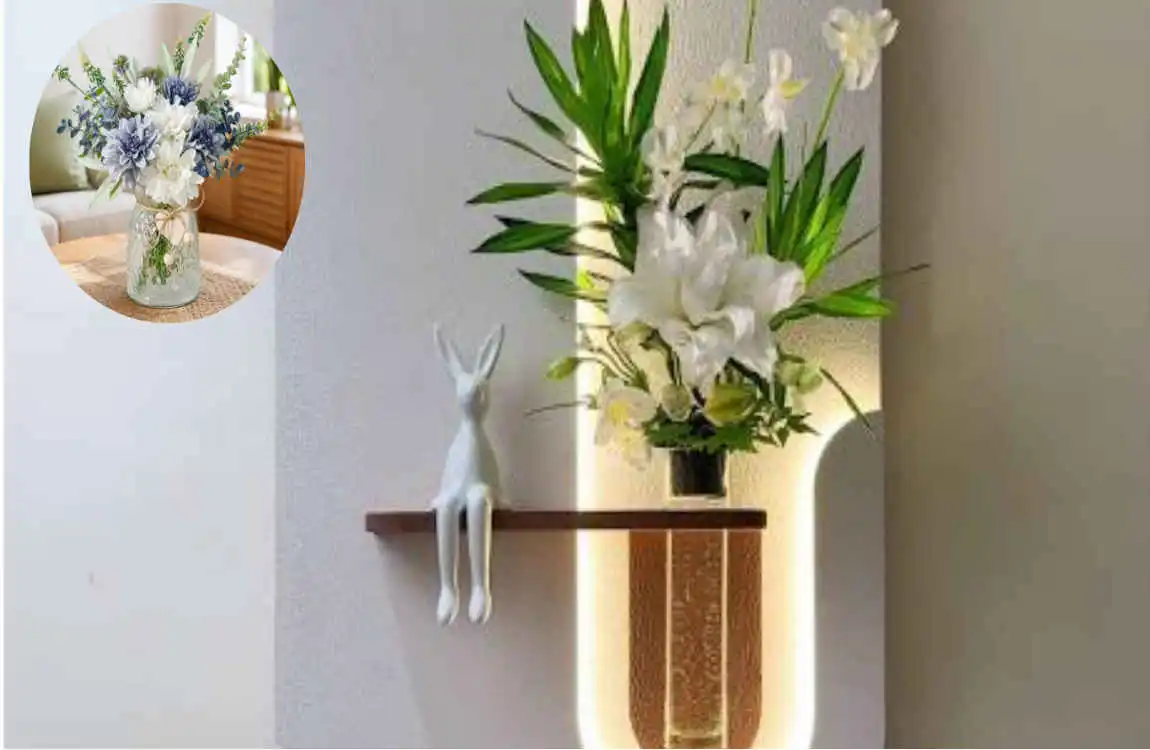
You do not need expensive furniture or designer accessories to create a beautiful floral interior.
Start by using what you already own. An unused glass, ceramic container, bottle, or simple bowl may become an attractive vase with a little creativity.
Choose Affordable Flowers
Instead of buying large arrangements, purchase a small number of flowers and combine them with greenery.
Seasonal flowers are often a practical choice because they add color without a large budget.
You can also use branches, leaves, dried grasses, or simple greenery to add volume.
Create DIY Arrangements
Making your own arrangements allows you to control the colors and size.
Begin with greenery as a base, then add a few main flowers and smaller filler flowers. Keep the arrangement natural rather than trying to make every stem perfectly symmetrical.
Reuse Existing Accessories
You can refresh your décor without purchasing everything new.
Move a vase from one room to another, change its location, or combine it with different flowers. Even rearranging existing lamps, mirrors, frames, and decorative objects can change a room’s appearance.
Upgrade Lighting Simply
You do not always need expensive lighting fixtures.
Replacing an old lampshade, adding a small table lamp, or using suitable warm LED bulbs can create a softer atmosphere.
Combine this lighting with flowers, greenery, and light-colored surfaces to make the room feel brighter and more comfortable.
Frequently Asked Questions
What Is Floral Design With Light Home Decor?
Floral design with light home decor combines flowers, greenery, bright interiors, natural daylight, and soft artificial lighting to create a fresh and welcoming home.
Which Flowers Work Best With Light Home Decor?
Roses, tulips, daisies, hydrangeas, baby’s breath, and greenery are excellent choices. White, cream, pastel, and soft-colored flowers work particularly well with light interiors.
What Lighting Is Best for Floral Home Decor?
Natural light is excellent during the day. In the evening, warm LED bulbs, table lamps, floor lamps, pendant lights, and subtle accent lighting can create a comfortable atmosphere.
How Can I Decorate a Small Room With Flowers and Lighting?
Choose small arrangements, slim vases, wall-mounted botanical artwork, and compact lamps. Mirrors can also help reflect light and make a small room feel more open.
Are Artificial Flowers Suitable for Light Home Decor?
Yes. Artificial flowers can be a practical low-maintenance option. Choose realistic-looking flowers with natural colors and avoid arrangements that look overly artificial.
How Can I Make Floral Home Decor Look Modern?
Use minimalist arrangements, neutral colors, simple vases, natural greenery, clean furniture, and soft lighting. Limiting the number of decorative pieces will help maintain a modern look.
What Is the Best Way to Start a Floral Interior Design?
Begin with one focal area, such as a coffee table, dining table, entryway, or bedroom dresser. Choose flowers that complement the room’s existing colors, then add soft lighting to highlight the arrangement.
| Trend | Key Features | Best For |
|---|---|---|
| Soft Floral Accents | Pastel flowers, delicate prints, light fabrics | Bedrooms & living rooms |
| Fresh Flower Arrangements | Roses, tulips, lilies, seasonal blooms | Dining tables & entryways |
| Floral Wall Art | Botanical prints, flower paintings, framed designs | Living rooms & hallways |
| Light Floral Curtains | Sheer fabrics with subtle floral patterns | Bright, airy interiors |
| Botanical Cushions | Floral covers in soft colors and natural textures | Sofas & reading areas |
| Floral Table Decor | Small vases, flowers, light-colored table runners | Dining & coffee tables |
| Hanging Plants & Flowers | Greenery mixed with small floral elements | Balconies & corners |