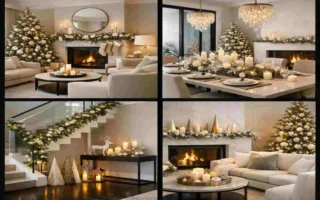
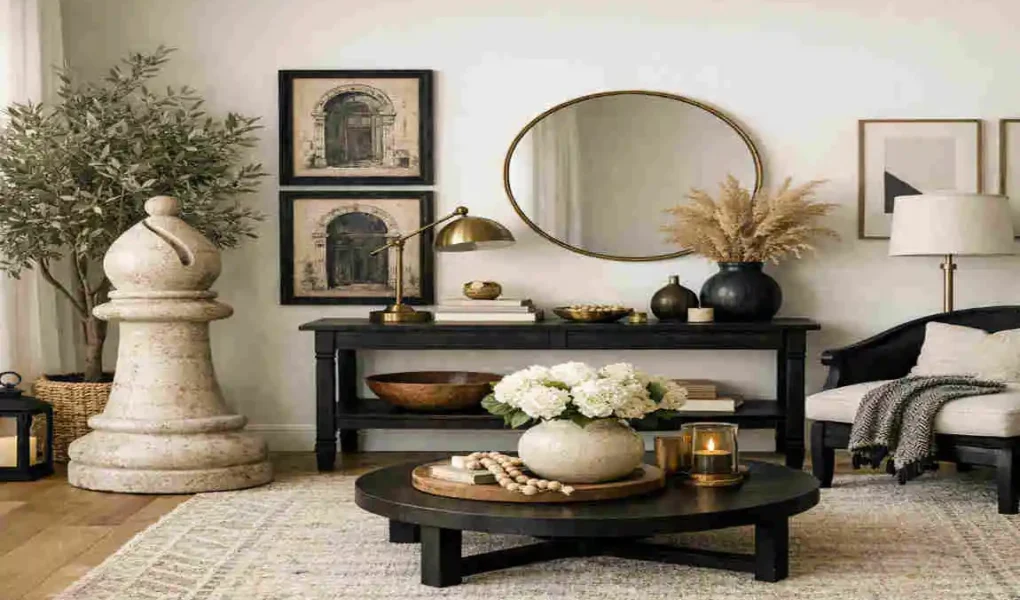
Home decor and furniture tree left bishop can be understood as a style idea that blends furniture, natural elements, textures, and a careful balance of the room. It is not about filling a room with random pieces. Instead, it is about making every item feel connected.
This approach works well if you want a home that feels warm, calm, and inviting. You can use it in modern, traditional, rustic, farmhouse, or transitional spaces. The main idea is simple: let furniture and natural decor work together rather than compete.
If you enjoy rooms that feel thoughtful and comfortable, this style can help you create that look without making your home feel crowded.
Creating a Balanced Home Decor Style
Choosing a Clear Design Direction
A good room starts with a clear idea. If you know the direction you want, it becomes much easier to choose furniture, colors, and decor.
You might lean toward modern, rustic, traditional, farmhouse, or contemporary style. You can mix styles, but keep one as the main base. That helps the room feel organized rather than busy.
Using Furniture as the Foundation
Furniture shapes the whole room. Sofas, chairs, tables, beds, cabinets, and storage pieces decide how the space looks and works.
Choose furniture based on room size, comfort, and purpose. A large sofa can anchor a living room, while a simple table can keep a small room feeling open. Mixing one strong statement piece with smaller accent pieces often creates the best balance.
Adding Natural and Decorative Elements
Natural elements make a room feel more alive. Wood, plants, woven pieces, stone, and artwork all add character.
These details soften hard furniture and make the space feel more welcoming. Even one plant or one wooden accent can change the mood of a room.
Furniture Selection for a Stylish Interior
Choosing the Right Furniture Materials
Different materials create different moods.
- Wood feels warm and classic
- Metal feels clean and modern
- Glass feels light and open
- Upholstered furniture adds comfort
- Mixed-material pieces create interest
Choose materials that match your lifestyle too. If you want something easy to care for, keep durability in mind.
Selecting Furniture by Room
Each room needs different furniture choices.
In the living room, focus on seating, tables, and storage. In the bedroom, choose a good bed, nightstands, and soft furnishings. In the dining room, a table and chairs should feel balanced and practical.
For an entryway, small storage pieces and a bench can be very useful. In a home office, choose a desk and chair that support comfort and focus.
Mixing Old and New Furniture
Old and new furniture can work beautifully together. A vintage chair beside a modern table can make a room feel layered and interesting.
To make this work, repeat a few details, such as color, shape, or finish. That keeps the room looking connected. You can also refresh older furniture with new paint, new handles, or fresh fabric.
Using Trees, Plants, and Natural Decor Indoors
Why Natural Elements Matter
Plants and indoor trees bring freshness into a room. They make the home feel more relaxed and connected to nature.
This is one of the easiest ways to soften a space that feels too plain or too structured.
Choosing Indoor Trees for Different Rooms
Not every plant works in every room. A large living room may suit a taller indoor tree, while a bedroom may need something smaller and calmer.
Think about light, space, and maintenance before you choose. A bright corner, an empty entryway, or a spot near a window often works well.
Styling Plants With Furniture
Place plants where they enhance the layout rather than block it. A tree beside a sofa, chair, or cabinet can look very natural.
Pick planters that match the room’s furniture finish. For example, a woven planter can work well with wood furniture, while a simple ceramic pot may suit a modern room.
Color, Texture, and Accessories for Home Decor
Building a Coordinated Color Palette
A good color palette keeps the home feeling calm. Use one main color, one or two supporting shades, and a small amount of accent color.
Neutral, earthy, and warm tones often work best with this style. Furniture should also match the wall and floor colors so the room feels balanced.
Layering Textures
Texture adds depth, especially in rooms with soft or neutral colors. Use wood grain, rugs, cushions, curtains, baskets, ceramics, and natural fabrics.
Without texture, a neutral room can feel flat. In terms of texture, it feels rich and comfortable.
Choosing Decorative Accessories
Accessories help the room feel personal, but too many can overwhelm the space.
Good choices include:
- Artwork and wall decor
- Mirrors
- Lamps and lighting
- Decorative trays and vases
- Books and sculptural objects
- Throw pillows and blankets
Choose pieces that support the room instead of filling every surface.
How to Style a Room Around Home Decor and Furniture Tree Left Bishop
Living Room Styling
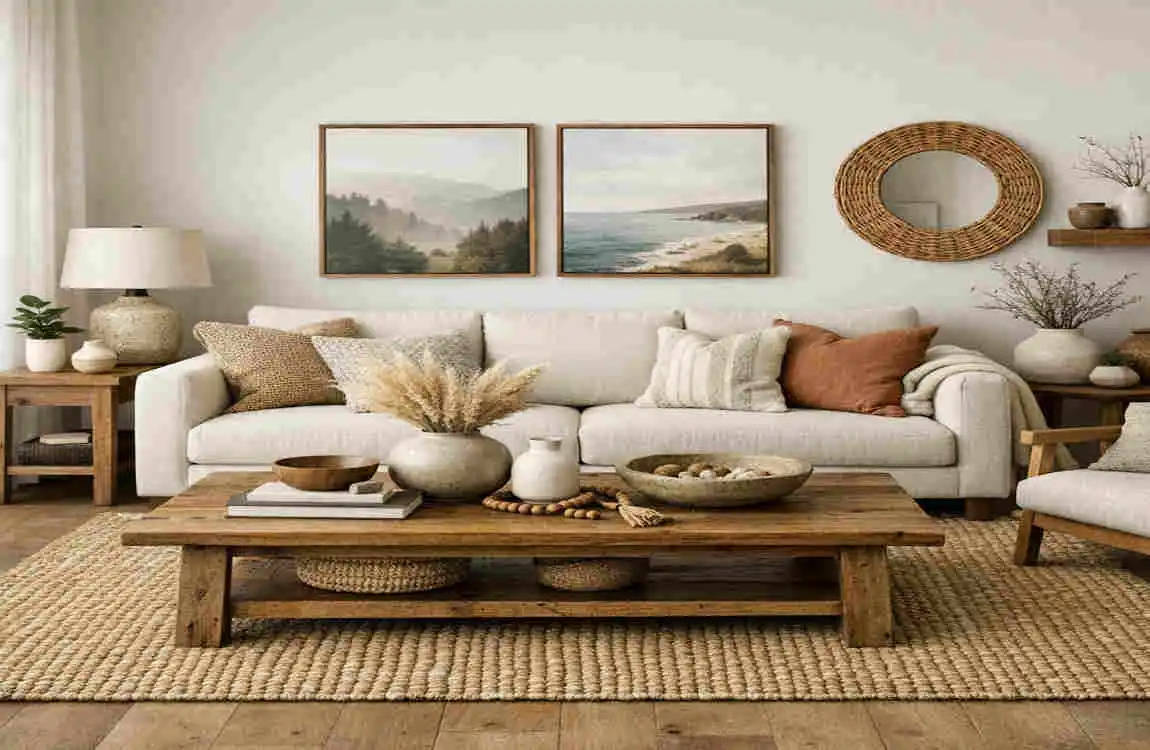
The living room should feel open, welcoming, and easy to use. Start with the sofa, then add a coffee table, lighting, and a rug to define the space.
Add a plant or indoor tree near an empty corner or beside a chair. That gives the room a softer, more finished look.
Bedroom Styling
Bedrooms should feel calm. Keep the bed as the main focus, then add matching nightstands, soft lighting, and simple textiles.
A plant or small tree can work well if it does not crowd the room. The goal is peaceful comfort, not heavy decoration.
Dining and Entryway Styling
In the dining room, the table can become the main visual feature. Use simple chairs and one or two decorative touches to keep it balanced.
Entryways should feel practical and inviting. A bench, small table, mirror, and a plant can make this space feel complete without clutter.
Small-Space Solutions
Small rooms need smart choices. Use multifunctional furniture, vertical storage, and smaller decorative items.
Mirrors help the room feel larger. Light colors and carefully placed plants also make a big difference.
Common Home Decor Mistakes and How to Avoid Them
Choosing Too Many Styles
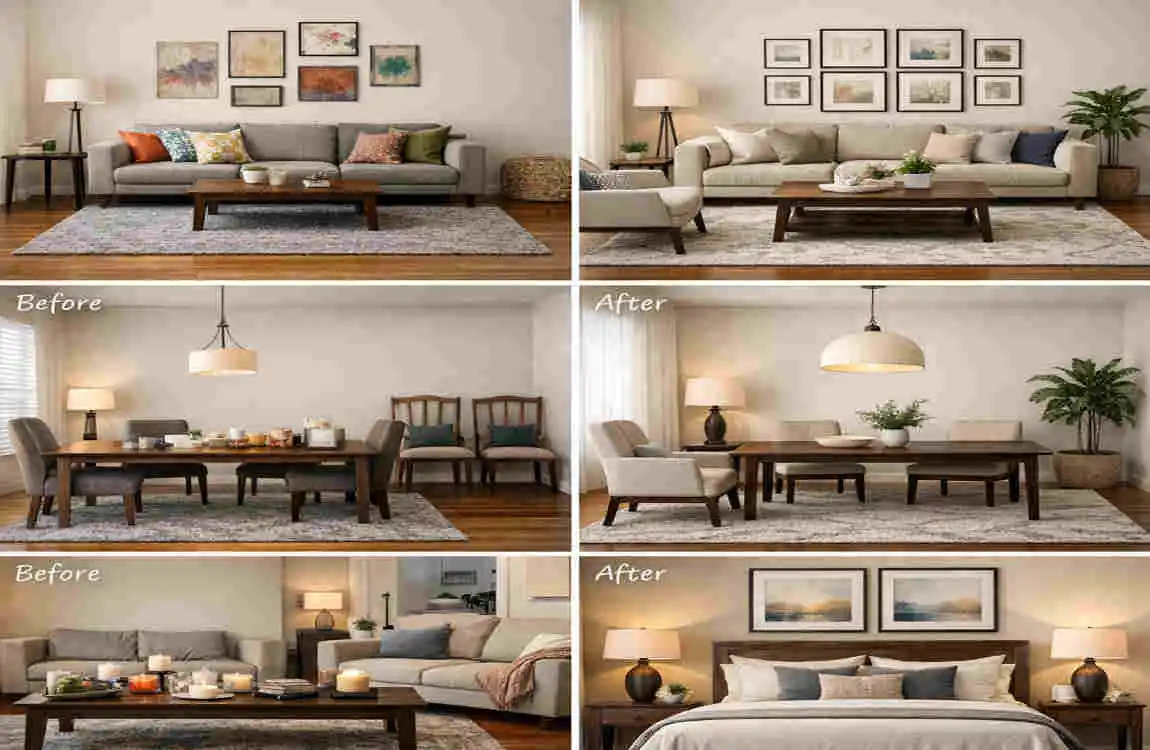
If you mix too many styles, the room can feel messy. Try repeating a few colors, shapes, or materials to keep things connected.
Overcrowding the Room
Every room needs some space. Too much furniture, too many plants, or too many accessories can make the room feel tight.
Ignoring Scale and Proportion
Furniture should fit the room. A huge sofa in a small room or a tiny rug in a large room can throw off the balance.
Forgetting Functionality
A room should look good and work well. Make sure traffic flow, storage, comfort, and cleaning are all part of the plan.
Tips for Creating a Timeless Home Interior
If you want your decor to last, choose quality furniture, classic shapes, and versatile colors. These pieces stay useful even when your style changes.
Use trends through smaller items like cushions, artwork, or vases. That way, you can update the room without replacing major furniture.
Natural materials also help a room age well. Wood, stone, woven fabric, and soft neutral colors usually stay attractive for a long time.
Simple Room-by-Room Checklist
- Living room: balanced seating, good lighting, one focal point
- Bedroom: calm colors, soft textiles, uncluttered surfaces
- Dining room: practical table, comfortable chairs, simple centerpiece
- Entryway: storage, mirror, lighting, welcoming decor
FAQ About Home Decor and Furniture Tree Left Bishop
What do “home decor” and “furniture tree left bishop” mean?
It can be understood as a decorating style that combines furniture, natural elements, color, texture, and balance in one cohesive interior.
How can I combine furniture and natural decor?
Use furniture finishes, plants, trees, and accessories that share similar tones or textures. That helps everything feel connected.
What furniture works best with natural home decor?
Wood, upholstered, woven, and mixed-material furniture all work well because they feel warm and layered.
Where should I place an indoor tree in my home?
Place it where it has enough light and space, such as a corner, beside a sofa, or near a window.
How do I make my home decor look more cohesive?
Repeat colors, textures, shapes, and materials across the room. That creates a stronger visual flow.
Can modern furniture work with natural decor?
Yes. Modern furniture can look softer when you add plants, warm textures, and wood accents.
How can I decorate a small room without making it feel crowded?
Use smaller furniture, mirrors, vertical storage, and only a few well-chosen accessories.
| Aspect | Details |
|---|---|
| Style Theme | Home decor and furniture inspired by the Tree Left Bishop aesthetic |
| Overall Look | Elegant, artistic, natural, and slightly traditional |
| Furniture | Wooden tables, classic chairs, statement cabinets, and vintage-inspired pieces |
| Colors | Warm wood tones, cream, beige, soft green, brown, and muted earthy shades |
| Decor Elements | Tree or botanical artwork, sculptural accessories, candles, mirrors, and decorative objects |
| Materials | Natural wood, linen, cotton, ceramic, glass, and textured fabrics |
| Best Rooms | Living rooms, dining areas, bedrooms, entryways, and cozy reading corners |
| Design Tip | Combine natural textures with timeless furniture to create a sophisticated and welcoming space |
| Ideal For | Homeowners who enjoy nature-inspired, classic, and character-rich interiors |