American home decor crown moulding is a simple architectural detail that can make a room look more finished and refined. Installed where the walls meet the ceiling, crown moulding adds shape, depth, and visual interest without requiring a major renovation.
Traditional homes often use detailed moulding, while modern interiors may use clean, simple profiles. This flexibility makes crown moulding useful across many decorating styles.
What Is American Home Decor Crown Moulding?
Understanding Crown Moulding
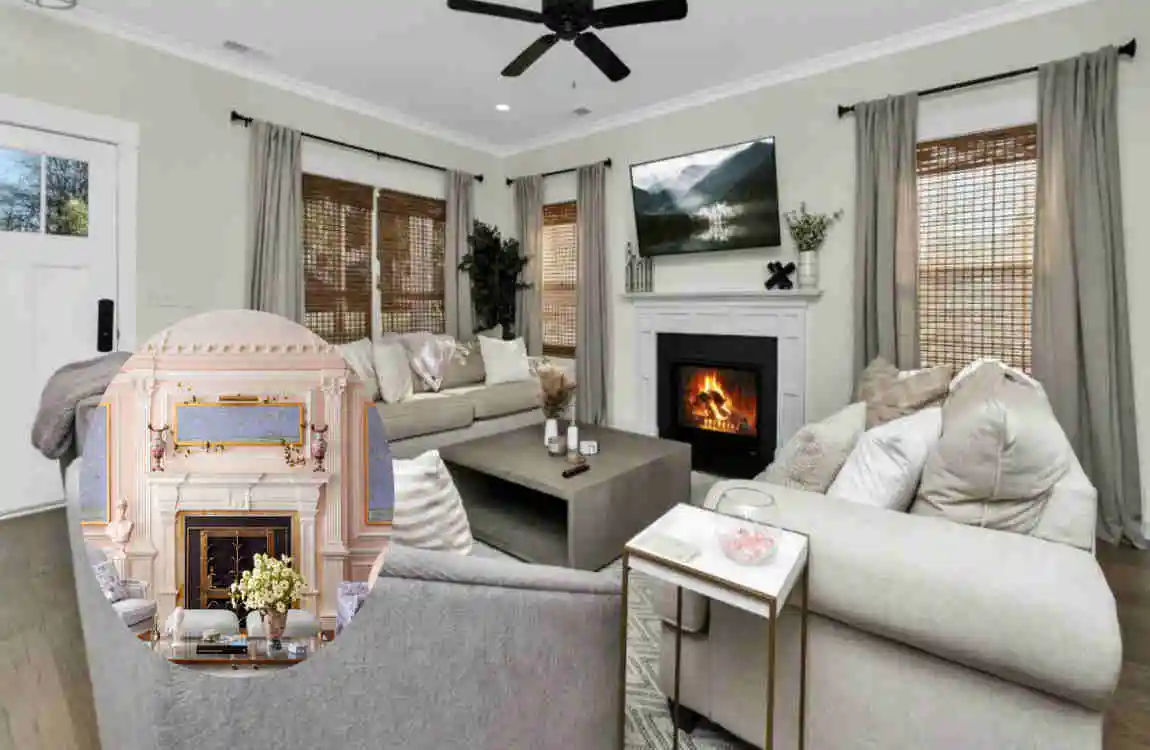
Crown moulding is decorative trim installed along the upper edge of a wall where it meets the ceiling. It creates a visual transition between these two surfaces.
Unlike simple flat trim, crown moulding usually has an angled or shaped profile. Some designs are subtle, while others include detailed curves, layers, or traditional patterns.
You can install crown moulding in living rooms, bedrooms, dining rooms, hallways, kitchens, offices, and other interior spaces.
It can also help hide small imperfections around the ceiling line, giving the room a cleaner appearance.
Why Crown Moulding Is Popular in American Homes
Crown moulding has a long history in traditional American interior design. It can give an ordinary room a more architectural appearance without changing the basic structure.
Another advantage is versatility. Crown moulding can look traditional, modern, rustic, farmhouse-inspired, or transitional, depending on its shape, size, material, and paint colour.
You can use simple moulding in a contemporary home or choose a more detailed profile for a classic interior.
Popular Crown Moulding Styles for American Homes
Traditional Crown Moulding
Traditional crown moulding usually features decorative profiles and more noticeable curves.
It works well in classic living rooms, formal dining rooms, traditional bedrooms, and homes with detailed doors and cabinetry.
White-painted or naturally stained wood moulding can create a timeless look.
Modern Crown Moulding
Modern crown moulding focuses on simplicity.
Clean lines, straight edges, and smaller profiles can add architectural interest without making the room feel overly decorative.
This style works especially well with contemporary furniture, simple flooring, neutral walls, and minimalist décor.
Craftsman and Farmhouse Styles
Craftsman and farmhouse interiors generally look better with simple, substantial trim rather than highly decorative moulding.
Wider profiles, natural wood, and straightforward shapes can create a warm, welcoming look.
The goal is to make the moulding feel like part of the home’s architecture rather than an added decoration.
Transitional Crown Moulding
Transitional moulding combines traditional character with modern simplicity.
It can feature a gentle curve or classic profile without excessive decoration. This makes it a practical choice when your home includes both contemporary and traditional elements.
How Crown Moulding Enhances Home Decor
Creating a Finished Look
Crown moulding can visually connect the walls and ceiling.
Without moulding, some rooms have a sharp transition between these surfaces. Adding trim creates a more deliberate boundary.
This small change can make the room feel more complete.
Making Rooms Feel More Elegant
You don’t always need expensive remodelling to improve a room’s appearance.
A well-proportioned crown moulding profile can add architectural character while keeping the existing walls, floors, and furniture.
Even a simple design can make a noticeable difference.
Choosing the Right Size
Size is extremely important.
Very small moulding may disappear in a room with tall ceilings. Oversized moulding can make a smaller room feel crowded.
Consider ceiling height, wall length, room size, and existing trim before selecting a profile.
Matching Crown Moulding With Interior Design
Crown moulding should connect naturally with the rest of the room.
Look at your doors, windows, baseboards, cabinets, flooring, and furniture. If these elements have simple designs, highly ornate moulding may look out of place.
Similarly, a traditional room may benefit from more detailed moulding.
Paint also plays an important role. White moulding provides classic contrast, while matching the wall colour can create a quieter, more modern effect.
Best Materials for American Crown Moulding
Wood Crown Moulding
Wood provides a natural, traditional look.
You can paint or stain it, depending on the desired design. Solid wood can also provide durability and a substantial feel.
Wood is especially suitable for traditional, Craftsman, farmhouse, and other interiors where natural materials matter.
MDF Crown Moulding
MDF is a popular choice because it is generally affordable and provides a smooth surface for painting.
It works well for many indoor decorating projects where you prefer a painted finish.
For a simple home renovation, MDF can provide a clean appearance without the cost of some natural wood options.
PVC and Other Synthetic Options
Synthetic moulding can be useful in areas where moisture is a concern.
PVC, for example, works well in suitable kitchens, bathrooms, and other spaces where traditional materials may require extra care.
Synthetic materials are also available in different profiles, making them suitable for practical and decorative applications.
How to Choose the Right Material
Consider your budget, room conditions, maintenance needs, and desired look.
A traditional dining room may benefit from wood, while a simple painted bedroom may work perfectly with MDF.
For moisture-prone spaces, a suitable synthetic material may provide a practical solution.
MaterialMain BenefitBest For
Wood Natural and classic Traditional interiors
MDF Affordable and smooth General home decor
PVC Moisture-resistant Kitchens and bathrooms
Polyurethane Lightweight and detailed Decorative designs
Crown Moulding Ideas for Different Rooms
Living Room
The living room is one of the most popular places for crown moulding.
A larger profile can emphasise a high ceiling, while a simple design can complement a modern living area.
If your living room already contains detailed furniture and décor, consider a quieter moulding profile to maintain balance.
Bedroom
Bedrooms usually benefit from softer, simpler moulding designs.
A clean white profile can create a polished appearance without taking attention away from the bed, artwork, curtains, or other decorative elements.
For a relaxing bedroom, choose moulding that supports the overall design rather than becoming the main focal point.
Kitchen and Dining Room
In kitchens, crown moulding can connect upper cabinets to the ceiling when the layout allows.
The moulding should coordinate with cabinet doors, hardware, countertops, and other trim.
Dining rooms can support more traditional profiles, particularly when the room already includes decorative furniture or classic architectural features.
Entryway and Hallway
Hallways and entryways can sometimes feel plain because they have limited furniture.
Crown moulding adds architectural interest without taking up floor space.
A simple profile can make these transitional areas feel more connected to the rest of the home.
Home Office
A home office can benefit from clean, professional-looking moulding.
Simple crown moulding works well with built-in shelving, wood furniture, neutral walls, and organised décor.
The goal is to create a polished environment without unnecessary visual clutter.
Installation, Painting, and Maintenance Tips
DIY vs. Professional Installation
Simple crown moulding projects may suit experienced DIY homeowners.
However, installation requires accurate measurements and careful corner work. Crown moulding often needs angled cuts, and inside and outside corners can be challenging.
If the room has complex angles, very high ceilings, or expensive decorative moulding, professional installation may deliver a cleaner result.
Preparing Crown Moulding for Paint
Preparation makes a major difference.
Before painting, fill small nail holes and gaps with an appropriate filler or caulk. Let the material dry, then sand down rough areas.
Priming may also help, especially with materials that need a suitable base before painting.
A smooth surface helps the final coat look much more professional.
Choosing a Paint Finish
Many homeowners choose white crown moulding because it creates a classic ceiling transition.
However, you can also match the moulding to the ceiling, coordinate it with the walls, or use a subtle contrast.
The best choice depends on the atmosphere you want.
A matching colour creates a quieter appearance, while contrasting trim makes the architectural detail more noticeable.
Common Installation Mistakes
Poor measurements are one of the easiest ways to create problems.
Other common mistakes include:
- Making incorrect corner cuts.
- Leaving visible gaps between pieces.
- Choosing a profile that is too large or too small.
- Not preparing the surface before painting.
- Ignoring existing door and window trim.
- Installing moulding without considering the ceiling height.
Take your time with measurements and test corner pieces before completing the entire room.
How to Choose American Home Decor Crown Moulding
Consider Your Home’s Architecture
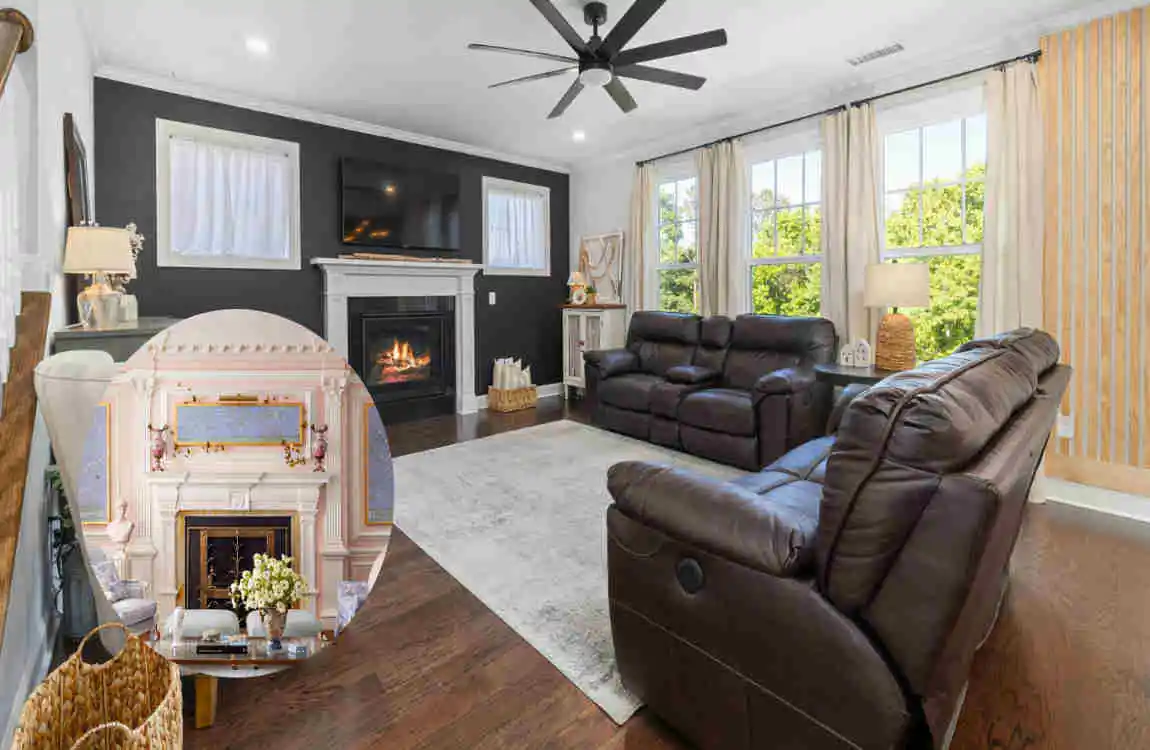
Start with your home’s character.
A traditional house may look natural with detailed moulding, while a contemporary home may benefit from a simple profile.
The best crown moulding doesn’t fight the architecture. It supports it.
Think About Ceiling Height
Ceiling height should guide your choice.
Tall ceilings can handle larger or layered profiles because there is more vertical space to balance the design.
Standard or lower ceilings often benefit from simpler moulding that adds detail without visually lowering the room.
Coordinate With Existing Trim
Look at your baseboards, door casings, window trim, and cabinets.
These elements do not need to be identical, but they should feel related.
For example, simple baseboards paired with extremely ornate crown moulding may create an uneven look.
Balance Style and Budget
You don’t have to choose the most expensive material or the most complicated profile.
Start by deciding what visual effect you want. Then choose a material and profile that provides that appearance within your budget.
Good proportions and careful installation often matter more than choosing the most elaborate moulding available.
Frequently Asked Questions
What Is American Home Decor Crown Moulding?
American home decor crown moulding is decorative trim installed where interior walls meet the ceiling.
It provides a finished architectural transition and can add character to living rooms, bedrooms, dining rooms, kitchens, hallways, and offices.
Is Crown Moulding Still Popular in Modern Homes?
Yes. Modern homes often use simplified crown moulding with clean lines and minimal decoration.
The key is choosing a profile that matches the contemporary architecture, rather than using overly detailed traditional designs.
What Type of Crown Moulding Is Best for High Ceilings?
High ceilings can generally support larger, more substantial moulding profiles.
Layered designs can also create additional visual interest. However, the moulding should still be proportional to the room and existing architectural details.
Should Crown Moulding Match the Ceiling or Walls?
Either approach can work.
Matching the ceiling can create a traditional look, while matching or closely coordinating it with the walls can create a quieter, more modern effect.
A contrasting colour can make the moulding stand out more.
Is Crown Moulding Expensive?
Cost depends on the material, profile, room size, amount of moulding, and installation method.
A simple MDF profile can be more budget-friendly, while detailed wood or specialty moulding can cost more.
Also consider installation costs when planning the project.
Can I Install Crown Moulding Myself?
Yes, if you have suitable tools and are comfortable with accurate measuring and angled cuts.
Simple rooms with straightforward corners are generally easier than spaces with unusual angles or complicated architectural details.
| Feature | Short Information |
|---|---|
| What It Is | Decorative trim installed where walls meet the ceiling |
| Popular Styles | Traditional, colonial, modern, craftsman, and minimalist |
| Common Materials | Wood, MDF, polyurethane, and plaster |
| Best Rooms | Living rooms, dining rooms, bedrooms, hallways, and entryways |
| Main Benefit | Adds elegance and creates a polished room appearance |
| Color Options | White, cream, natural wood, or colors matching the walls |
| Design Tip | Choose molding size and style according to ceiling height and room design |
| Maintenance | Regular dusting and occasional cleaning or repainting keep it looking fresh |