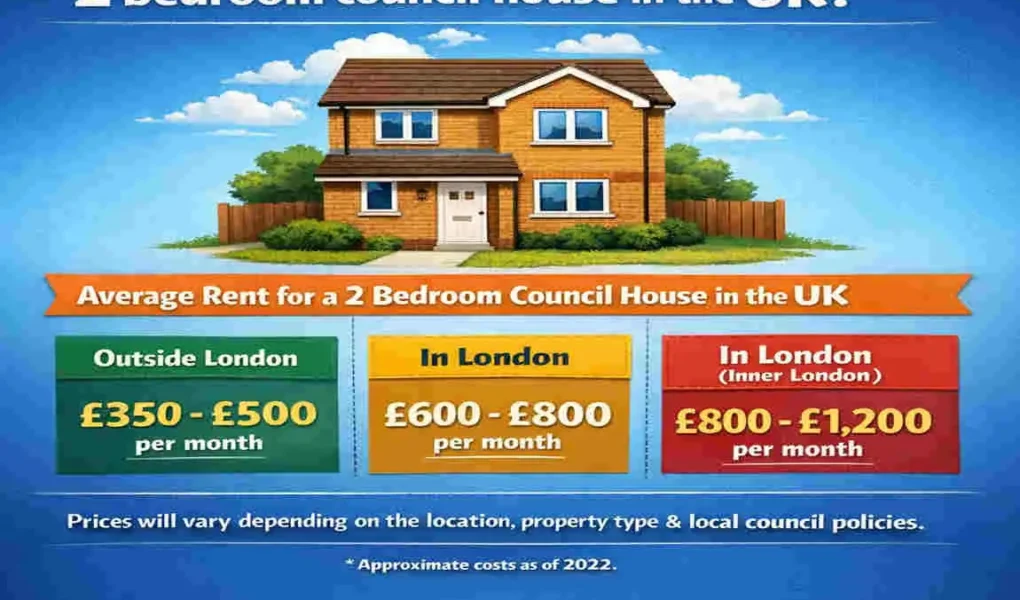
If you are asking how much rent is for a 2-bedroom council house, the short answer is that it usually costs much less than private renting. The exact price depends on your local council, region, property size, and home type. In many parts of the UK, council rents are designed to remain more affordable for people and families who need local authority housing.
Council housing is owned and managed by local councils, so the rent is often set using rules that keep it lower than the private market. That said, there is no single fixed price across the UK. A 2-bedroom council house in one area may be quite cheap, while the same size home in a high-demand city may cost more.
What Is a 2 Bedroom Council House?
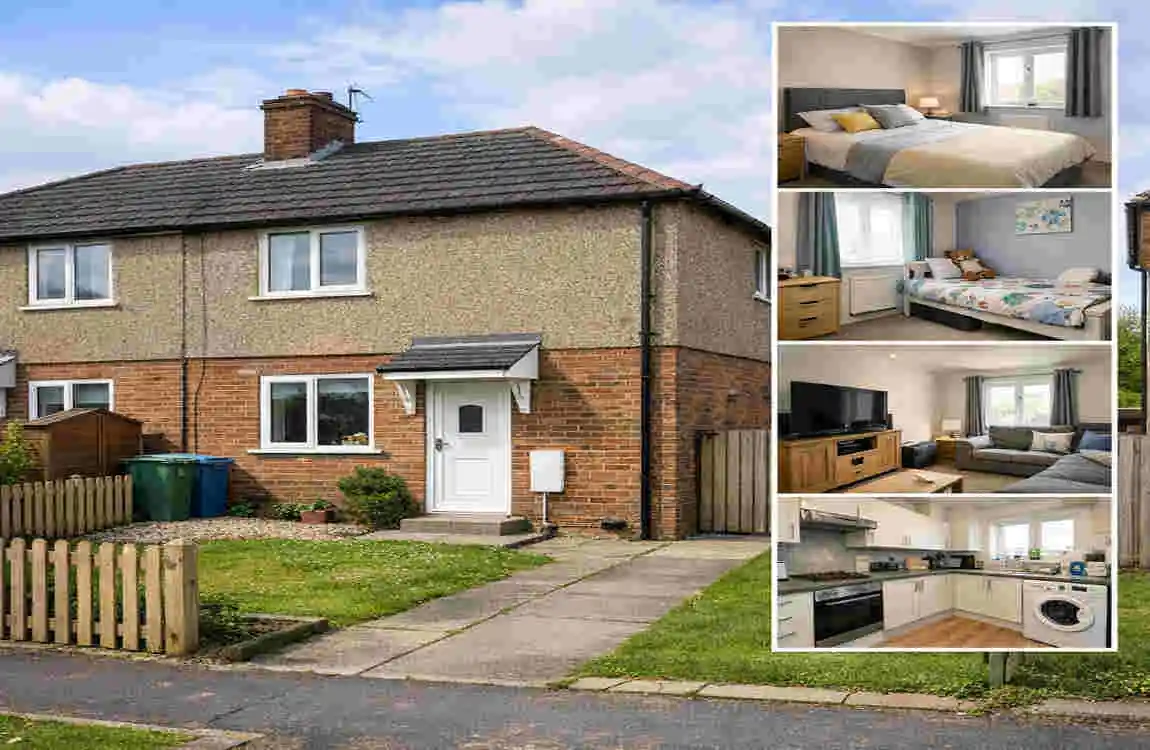
A council house is a home owned by the local authority and rented out to eligible tenants. A 2 bedroom council house usually includes:
- Two bedrooms
- A kitchen
- A living room
- A bathroom
- Sometimes a garden, parking space, or shared outdoor area
These homes are intended to provide affordable council housing for people who need stable, secure accommodation.
Council homes are different from housing association homes, although both are part of social housing. The main difference is who owns them. The local council runs council houses, while not-for-profit housing groups manage housing association homes.
How Much Is Rent for a 2 Bedroom Council House?
The average rent for a 2-bedroom council house varies across the UK. In general, it is charged weekly, but many tenants think about it as a monthly amount.
Average Weekly Rent
Here is a simple overview:
- England: around £90 to £140 per week
- Scotland: around £85 to £130 per week
- Wales: around £80 to £125 per week
- Northern Ireland: around £75 to £120 per week
These are only rough averages. Some councils charge less, while others charge more, depending on local rent-setting rules and property type.
Average Monthly Rent
If you want a monthly estimate, a 2-bedroom council house often costs around:
- £390 to £610 per month in many areas
- In more expensive places, it can be higher
- In lower-cost areas, it may be closer to the bottom of that range
For example, a tenant paying £100 per week would pay about £433 per month. A tenant paying £120 per week would pay about £520 per month.
Typical Price Range
The average council house rent UK range can be split like this:
- Lowest rents: around £70 to £85 per week
- Average rents: around £90 to £120 per week
- Higher rents: around £130 to £160+ per week
This means the answer to how much rent a 2-bedroom council house costs is usually somewhere between affordable and moderate, but still much lower than many private rentals.
What Factors Affect Council House Rent?
Several things can change the final rent price.
Property Location
Homes in big cities usually cost more than homes in smaller towns or rural areas. This is because land, demand, and maintenance costs can be higher in city areas.
Local Council Policies
Each council has its own way of setting rent prices. Some use formulas based on property value and local income levels. Others adjust prices based on housing budgets and government guidance.
Property Condition
A new-build council home may cost a bit more than an older property because it may have better insulation, modern fittings, and lower repair needs.
Size and Layout
Even among 2-bedroom homes, rent can differ if the property includes:
- A larger garden
- Off-street parking
- Disabled access features
- Extra storage
- A better location within the council area
Council House Rent vs Private Rent
Council housing is usually cheaper and more secure than private renting. Here is a quick comparison:
FeatureCouncil HousePrivate Rental
Average Rent Lower Higher
Tenancy security High Varies
Rent Increases Controlled Market-based
Waiting List Yes No
Maintenance Council Landlord
This table shows why many people search for council housing costs when private rent becomes too expensive.
Can You Get Help Paying Council House Rent?
Yes, many tenants can get support.
Housing Benefit
Some people on a low income may qualify for Housing Benefit. This can help cover some or all of the rent, depending on your situation.
Universal Credit Housing Element
If you claim Universal Credit, you may get extra help through the housing element. This is one of the most common ways to support Universal Credit housing costs.
Discretionary Housing Payments
If your benefit does not cover the full rent, your council may offer Discretionary Housing Payments for extra support.
Local Council Support Schemes
Some councils also run emergency help funds or local support schemes for tenants who are struggling.
Who Can Apply for a Council House?
Not everyone can get a council home straight away. Councils usually check:
- Income level
- Residency rules
- Local connection
- Family size
- Medical needs
- Homelessness or housing risk
People with children, health issues, or urgent housing needs may get more priority.
How to Apply for a 2 Bedroom Council House
The process is usually simple, but it can take time.
- Check eligibility
- Register with your council
- Submit documents
- Join the waiting list
- Bid for available homes
- Receive an offer
- Sign the tenancy agreement
Make sure your details are correct, because missing documents can delay your application.
How Long Is the Waiting List?
Waiting times can be very different.
- High-demand areas: often several months or even years
- Low-demand areas: sometimes much faster
- Family size and urgency: can affect priority
- Property type: 2-bedroom homes may be in higher demand
If you need housing quickly, tell your council about any urgent situation.
What Is Included in Council House Rent?
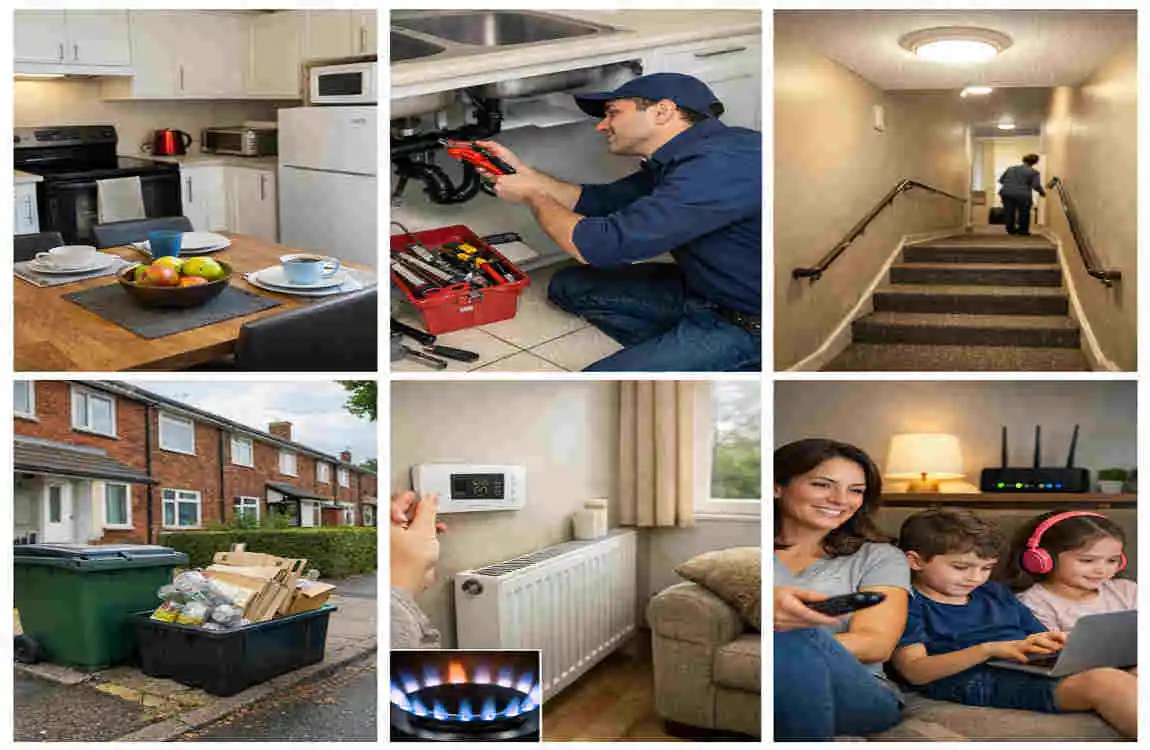
Usually, rent covers:
- Building maintenance
- Repairs
- Property management
- Communal area upkeep
- General council housing services
You usually pay separately for:
- Council tax
- Gas and electricity
- Water
- Internet
- Contents insurance
Can Council House Rent Increase?
Yes, but it is usually controlled and reviewed regularly. Councils often look at:
- Government guidance
- Inflation
- Local housing budgets
- Property costs
They must usually give proper notice before a rent increase.
Tips for Keeping Council Housing Affordable
To make things easier, try to:
- Claim benefits early if you qualify
- Pay rent on time
- Budget for bills each month
- Report repairs quickly
- Tell the council if your income changes
Common Mistakes to Avoid
Try not to make these mistakes:
- Missing rent payments
- Ignoring council letters
- Not reporting changes in income
- Applying late for benefits
- Subletting without permission
These mistakes can affect your tenancy and your chances of keeping the luxuey home.
Frequently Asked Questions
How much is rent for a 2-bedroom council house in the UK?
Usually, it is around £75 to £160 per week, depending on the area and council.
Is council house rent cheaper than private rent?
Yes, in most cases, council house rent is much cheaper than private renting.
Can Universal Credit pay council house rent?
Yes, many people can get help through the housing element of Universal Credit.
How is council rent calculated?
It is usually based on local council rules, property type, location, and housing policy.
Can council house rent increase every year?
Yes, it can increase, but councils usually follow set rules and give notice.
Who qualifies for a 2 bedroom council house?
Eligibility usually depends on income, local connection, family needs, and housing priority.
| Factor | Information |
|---|---|
| Average Weekly Rent | Typically £90–£150 per week, depending on the local council and region. |
| Average Monthly Rent | Around £390–£650 per month based on weekly rent and location. |
| Lowest Typical Rent | Some areas offer rents from £70–£90 per week. |
| Highest Typical Rent | In high-demand areas, rents may reach £160–£200+ per week. |
| What Rent Includes | Usually covers the property only; Council Tax, utilities, internet, and service charges may be extra. |
| Who Can Apply | People who meet the local council’s eligibility rules and are on the council housing waiting list. |
| Factors Affecting Rent | Property location, size, condition, local housing policies, and available amenities. |
| Financial Support | Eligible tenants may receive Housing Benefit or the housing element of Universal Credit to help cover rent. |
| Compared to Private Rent | Council housing is generally 30–60% cheaper than similar privately rented homes. |