Minimalist home decorating has become popular for a good reason. It helps you create a home that feels calm, clean, and easy to live in. Instead of filling every corner with décor, this style focuses on what truly matters.
If you are drawn to simple spaces, soft colors, and a lighter home atmosphere, minimalist home decorating may be exactly what you need. It is not about making your home cold or empty. It is about making every item feel useful, intentional, and visually calm.
What Is Minimalist Home Decorating in USA?
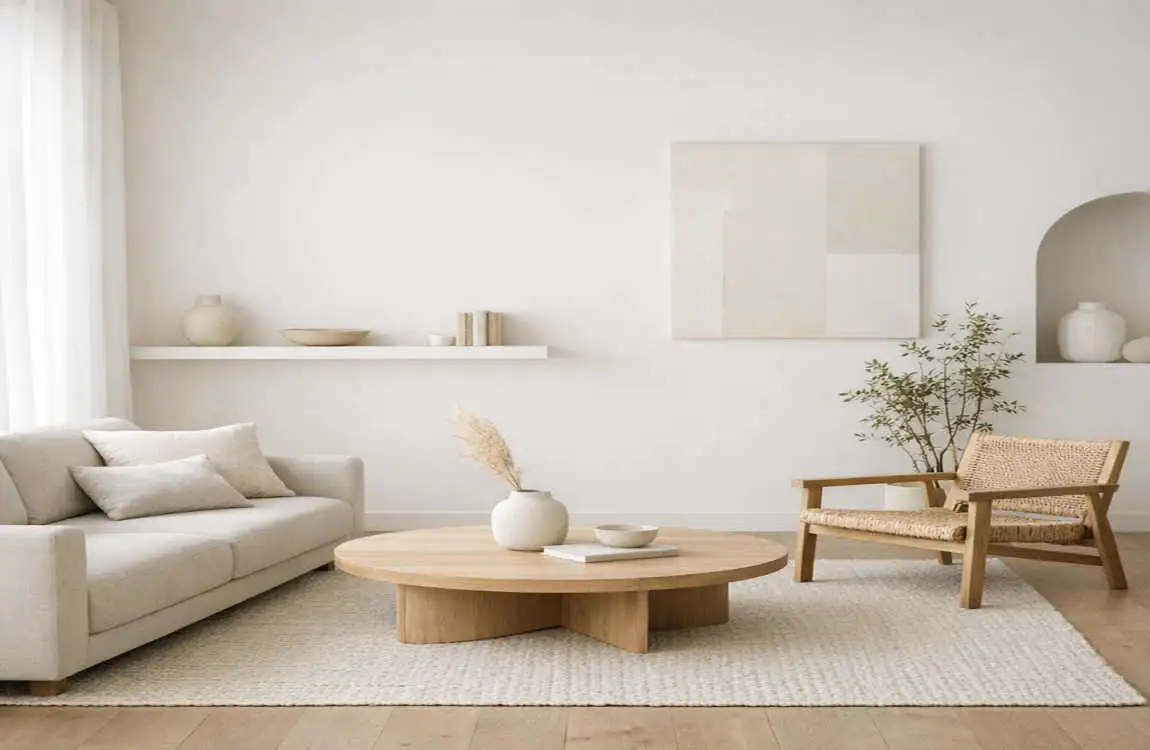
Minimalist home decorating is a design approach that keeps things simple, functional, and balanced. It follows the idea of “less but better.” That means choosing fewer items but making sure they are useful, good-looking, and meaningful.
This style is not about removing everything. It is about removing extra noise. You keep the pieces that support your daily life and let go of things that only take up space.
Minimalist Does Not Mean Empty
A common misunderstanding is that minimalist rooms should look bare. That is not true.
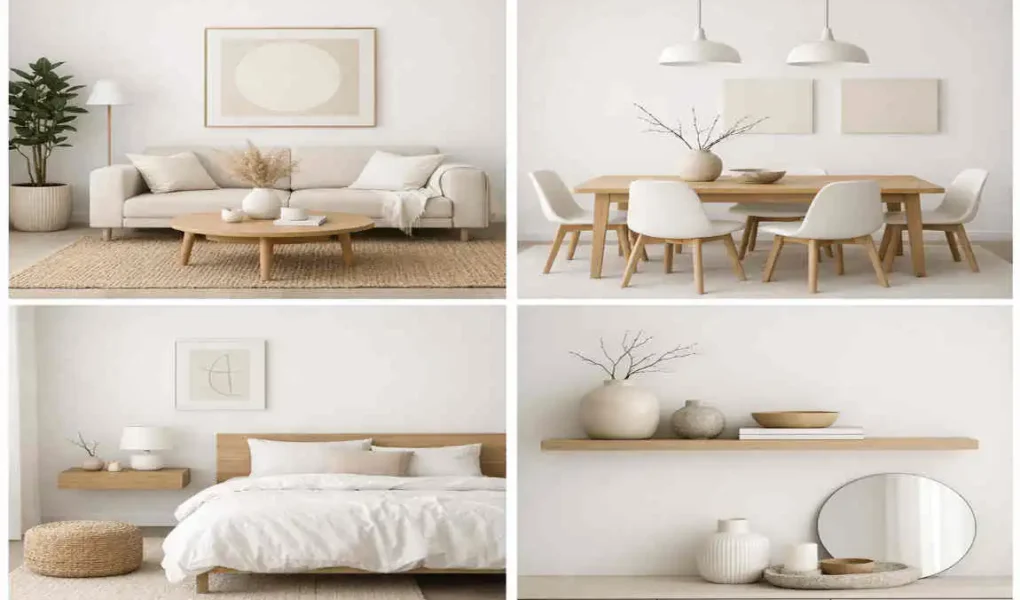
A minimalist room still feels lived in. It may have a comfortable sofa, a clean-lined table, soft lighting, and a few carefully chosen accessories. The difference is that every item has a purpose.
Main Principles of Minimalist Design
Minimalist decorating usually follows a few simple ideas:
- Simplicity
- Functionality
- Balance
- Intentional choices
- Clean visual flow
When these ideas work together, the home feels lighter and more peaceful.
Why Minimalist Interiors Are So Popular
People often turn to minimalism because life already feels busy. A simpler home can make daily living feel less stressful.
It also works well in small homes, apartments, and modern spaces. Since the style avoids unnecessary clutter, rooms often feel more open and easier to manage.
Benefits of Minimalist Home Decorating in USA
Minimalist home decorating offers more than a nice look. It can also improve how your home feels and functions every day.
Creates a Calm and Comfortable Space
A room with fewer distractions feels more peaceful. When your eyes do not have to move from one busy object to another, the room naturally feels calmer.
This is one of the biggest reasons people love minimalist spaces. They create a sense of mental rest. After a long day, that calm feeling can make a real difference.
Makes Small Rooms Feel Larger
Minimalist design is a smart choice for small rooms. Fewer large items, lighter colors, and simple layouts can make a space feel bigger than it really is.
You do not need a large room to make it feel open. You need the right layout and a little breathing room.
Easier to Clean and Maintain
A clutter-free space is much easier to clean. There are fewer objects to move, dust, or organize.
This makes minimalism practical, not just stylish. If you want a home that feels tidy without constant effort, this style can help a lot.
Encourages Better Buying Decisions
Minimalist decorating often changes the way you shop. Instead of buying things just because they look nice in the moment, you start asking better questions.
Does it serve a purpose? Will it last? Do I really need it? These questions help you build a more thoughtful home.
A few benefits at a glance:
- Less clutter
- Easier cleaning
- More peaceful rooms
- Better use of space
- Smarter spending
Choose a Simple Minimalist Color Palette
Color plays a huge role in minimalist home decorating. The right palette makes the whole home feel unified and calm.
Start With Neutral Shades
Neutral colors are the foundation of most minimalist spaces. Good options include:
- White
- Cream
- Beige
- Gray
- Soft earth tones
These shades create a clean base that works well with furniture, art, and natural textures.
Use Accent Colors Carefully
Minimalist homes do not need many colors. In fact, too many competing shades can make the space feel busy again.
Instead, choose one or two accent colors. These might appear in cushions, artwork, vases, or rugs. Keep them soft and controlled so the room still feels calm.
Add Warmth Through Color
Some people worry that minimalism will make a home feel too plain. The good news is that neutral does not have to mean cold.
Warm beige, soft taupe, pale wood tones, and muted clay shades can make a room feel inviting while still staying simple.
Match Walls, Furniture, and Accessories
It helps to think about color as a whole system. Your walls, furniture, and accessories should work together rather than fight for attention.
If the walls are light, you might use slightly deeper tones in the furniture. If your furniture is neutral, you can add texture through pillows, rugs, or curtains.
Select Functional and Stylish Furniture
Furniture is one of the most important parts of minimalist decorating. The goal is to choose pieces that are both useful and visually calm.
Choose Quality Over Quantity
Minimalist design does not ask you to buy less just for its own sake. It asks you to buy better.
A few strong pieces can do more for your home than many weak ones. A well-made sofa, a solid table, and a comfortable bed can beautifully anchor the room.
Use Clean Lines
Furniture with simple lines works especially well in minimalist spaces. It keeps the room from feeling heavy or complicated.
Look for shapes that are smooth, neat, and uncluttered. Straight legs, flat surfaces, and low-profile forms are often a great fit.
Consider Multi-Functional Furniture
This is where minimalist decorating becomes very practical. Multi-functional furniture helps you save space and stay organized.
Some smart examples include:
- Storage beds
- Nesting tables
- Ottomans with hidden storage
- Benches with compartments
- Expandable dining tables
These pieces help your home do more without adding visual clutter.
Leave Breathing Room
Space matters as much as furniture itself. A room needs empty areas to feel open and balanced.
If every corner is filled, the room will start to feel crowded. Leaving some open space around furniture helps the design breathe.
Create Minimalist Rooms With Smart Organization
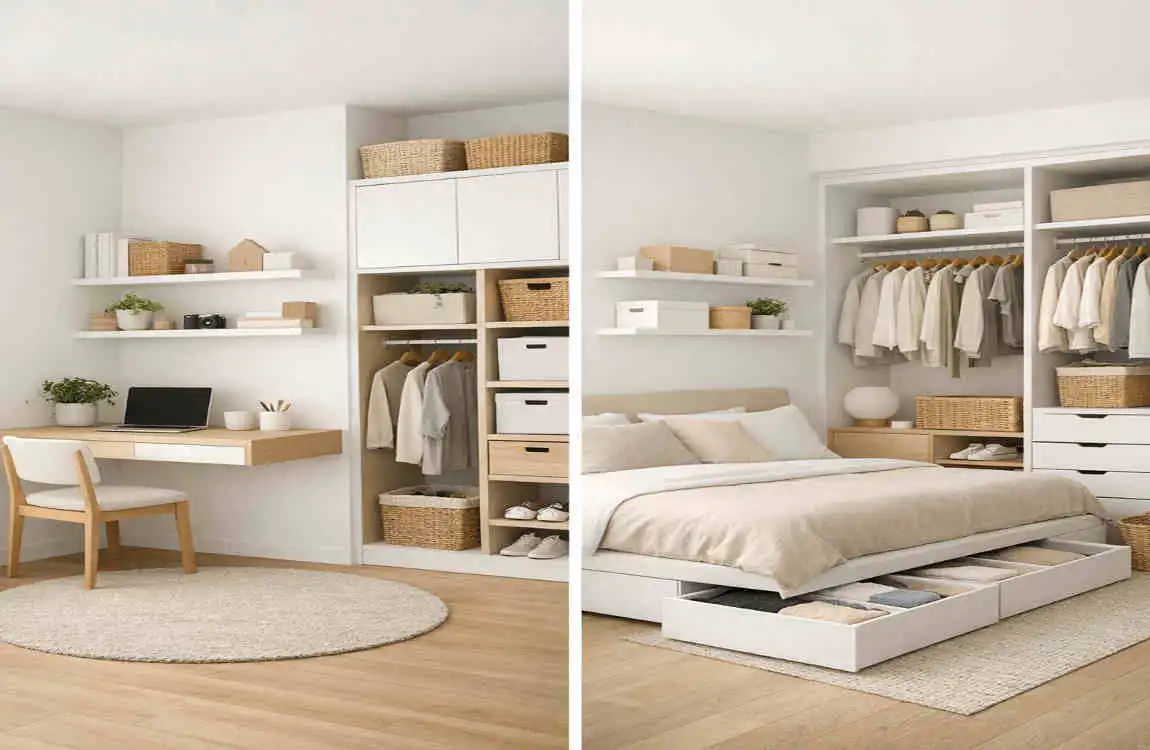
Organization is the backbone of minimalist home decorating. Without it, even the prettiest room can start to feel messy.
Remove What You Do Not Use
Start by looking at what you actually use every day. If something is rarely used, damaged, or simply sitting there, it may not need to stay.
You do not have to throw everything away. Just be honest about what truly belongs in your home.
Use Hidden and Built-In Storage
Storage is one of the best ways to keep a minimalist room looking clean. Built-in shelves, cabinets, and hidden drawers help reduce visual clutter.
The more you can store behind closed doors, the more open your room will feel.
Keep Surfaces Clear
Tables, counters, and shelves should stay mostly open. This does not mean they must be empty, but it does mean they should not be crowded.
One lamp, one vase, or one framed photo can look beautiful. Ten small items often look messy.
Apply Minimalist Ideas Room by Room
Minimalist decorating works in every part of the home.
Living Room
Choose a simple sofa, one or two accent chairs, and a low table. Keep décor light and balanced.
Bedroom
Focus on calm colors, soft bedding, and a tidy nightstand. Avoid too many decorative items.
Kitchen
Clear countertops, simple cabinet fronts, and hidden storage make the kitchen feel fresh and efficient.
Bathroom
Use neat shelves, simple containers, and a clean color palette.
Home Office
Keep only the tools you need. A clean desk helps you stay focused and less distracted.
Add Warmth Without Creating Clutter
A minimalist home should feel calm, but also human. Warmth is what keeps the space from feeling too plain or stiff.
Use Natural Materials
Natural materials bring texture and comfort into the room. Good choices include:
- Wood
- Cotton
- Linen
- Stone
- Wool
These materials add depth without needing busy patterns or extra decoration.
Bring in a Few Plants
Plants are one of the easiest ways to soften a minimalist room. They add life, color, and freshness without making the space feel crowded.
A few well-placed plants are usually enough. You do not need a jungle to create warmth.
Use Textiles Carefully
Rugs, cushions, and throws can make a room feel more comfortable. The key is to use them with intention.
Choose simple colors and soft textures. One good rug or a few pillows can do a lot more than many mixed items.
Let Natural Light Do Some Work
Natural light is a powerful element in minimalist home decor. It makes rooms feel open, fresh, and peaceful.
Use light curtains, open windows when possible, and avoid blocking sunlight with heavy décor.
Choose Decor Selectively
You do not need many decorative items. Instead, choose a few meaningful pieces that reflect your taste.
A framed print, a ceramic bowl, or a favorite object can add personality without creating clutter.
Common Minimalist Decorating Mistakes
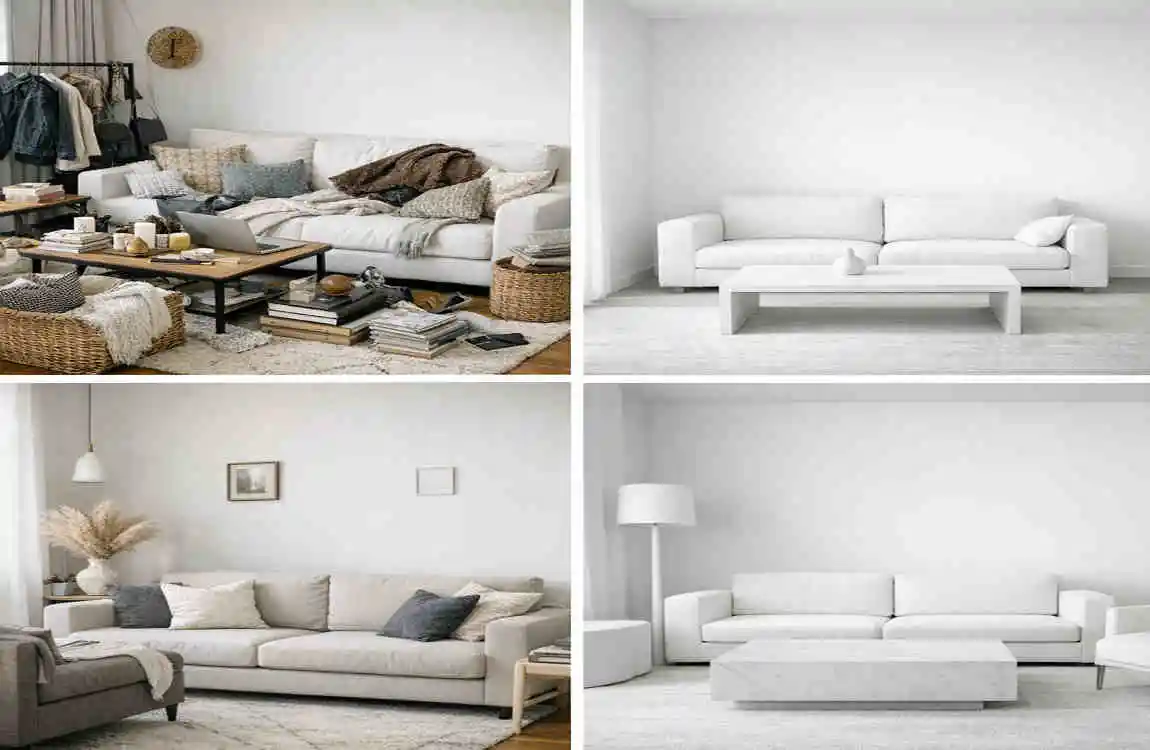
Minimalism works best when it feels thoughtful, not strict. Some common mistakes can take away from that feeling.
Mistakes to Avoid
Making the Room Completely Empty
A room should feel calm, not lifeless. Too little furniture or décor can make a home feel cold and unfinished.
Using Too Much White
White is popular, but too much of it can feel harsh without warmth or texture.
Buying Décor to Fill Space
If an item does not serve a purpose or add meaning, it may not belong in the room.
Ignoring Comfort and Functionality
A space can look beautiful but still fail in daily use. Comfort should always matter.
Mixing Too Many Styles
Minimalist decorating works best when the design stays consistent. Too many styles can break the calm feel.
Forgetting Storage
If there is nowhere to place everyday items, clutter will return quickly.
Removing Personality
Minimalism should never feel like a showroom. Your home should still reflect who you are.
Frequently Asked Questions
What is minimalist home decorating?
It is a decorating style that focuses on simplicity, functionality, clean design, and fewer unnecessary items.
How do I start minimalist home decorating?
Start by decluttering one room, choosing a simple color palette, and keeping only useful or meaningful items.
What colors are best for a minimalist home?
Neutral shades such as white, cream, beige, gray, and soft natural tones work especially well.
Can minimalist home decorating be cozy?
Yes. Natural materials, soft textiles, warm lighting, plants, and carefully chosen accessories can make a minimalist home feel very cozy.
Is minimalist decorating expensive?
Not necessarily. It can actually reduce spending because you focus on buying fewer, better items.
How can I make a small home look minimalist?
Use multifunctional furniture, keep surfaces clear, maximize storage, and stick to a simple color scheme.
| Idea | Simple Tip | Benefit |
|---|---|---|
| Neutral Colors | Use white, beige, gray, or soft earth tones | Creates a calm look |
| Declutter | Keep only useful or meaningful items | Makes rooms feel spacious |
| Simple Furniture | Choose clean lines and practical designs | Keeps the space modern |
| Natural Light | Use sheer curtains and open windows | Makes rooms brighter |
| Smart Storage | Add hidden cabinets and baskets | Reduces visual clutter |
| Natural Materials | Use wood, cotton, linen, or plants | Adds warmth and texture |
| Minimal Decor | Display a few quality accessories | Creates an elegant finish |