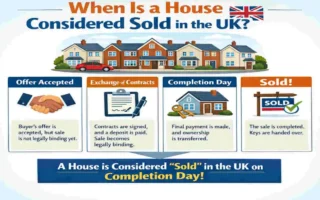
If you are asking how much a house is, the short answer is: it depends a lot. A house can cost very differently based on where it is, how big it is, what type it is, and what the local market looks like.
Some homes are affordable starter houses. Others are large family homes in popular areas that cost much more. That is why it helps to look at the average price, but also understand the factors that change the final number.
How Much Is a House on Average?
Average Home Price in the U.S.
In the United States, the average home price changes over time, but many markets sit around $400,000 to $450,000. Some areas are lower, while major cities and high-demand neighborhoods can be much higher.
That means when people ask how much is a house, the best answer is not one single number. It is a range.
Median vs. Average Home Price
These two terms sound similar, but they are not the same.
- Average price means all home prices are added together and divided by the number of homes.
- Median price means the middle price when all homes are lined up from lowest to highest.
The median is often more useful because very expensive homes can make the average look higher than most buyers actually pay.
House Prices by Region
Home prices differ a lot by region. A house in a small town may cost far less than one in a busy coastal city. This is why location matters so much.
In general:
- Big cities usually have higher prices
- Suburban areas often offer middle-range prices
- Rural areas may be more affordable
What Affects the Cost of a House?
Location
Location is one of the biggest price factors. Homes near good schools, jobs, shopping, and public transport usually cost more. If a neighborhood is popular, prices often rise quickly.
Property Size
Bigger homes usually cost more. A house with more bedrooms, bathrooms, and living space will normally have a higher price than a smaller home.
Home Age and Condition
A newer home often costs more because it needs less work. Older homes may be cheaper at first, but they can need repairs, upgrades, or maintenance.
Local Market Demand
When many people want to buy, and there are not enough homes for sale, prices go up. When more homes are available and fewer buyers are active, prices may cool down.
Neighborhood Amenities
Things like parks, schools, shops, and safe streets can make a home more valuable. Buyers often pay more for comfort and convenience.
House Prices by Property Type
Different property types come with different price ranges. Here is a simple view:
- Single-family homes: Usually the most common and often cost more than condos or manufactured homes.
- Townhouses: Often more affordable than detached houses, but still offer good living space.
- Condominiums: Usually lower in price, but you may pay monthly fees.
- Manufactured homes: Often the cheapest option, especially for first-time buyers.
- Luxury homes: These cost much more because of size, location, design, and features.
Additional Costs Beyond the Purchase Price
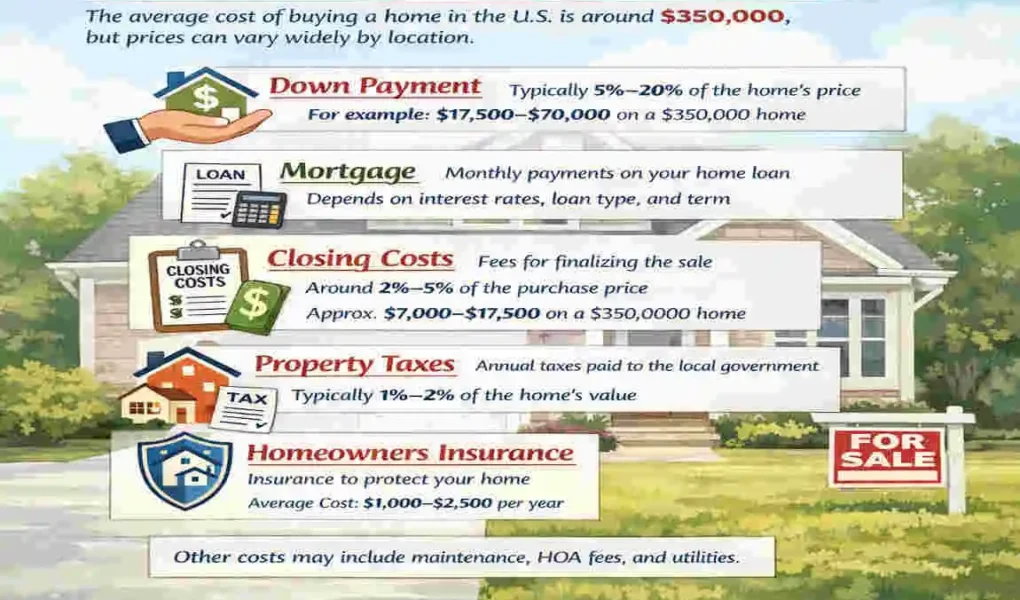
The house price is only part of the full cost. Many buyers forget the extra expenses, and that can lead to stress later.
Down Payment
This is the money you pay upfront. A larger down payment can reduce your monthly mortgage payment and may help you avoid extra fees.
Closing Costs
These are the fees paid when you finalize the home purchase. They can include lender fees, title fees, and other costs.
Property Taxes
Property taxes are charged by your local government. They vary by location and can add a lot to your yearly housing budget.
Homeowners Insurance
This protects your home from damage and other risks. Most lenders require it.
Maintenance and Repairs
Homes need regular care. You may need to pay for plumbing fixes, roof work, painting, lawn care, and other repairs over time.
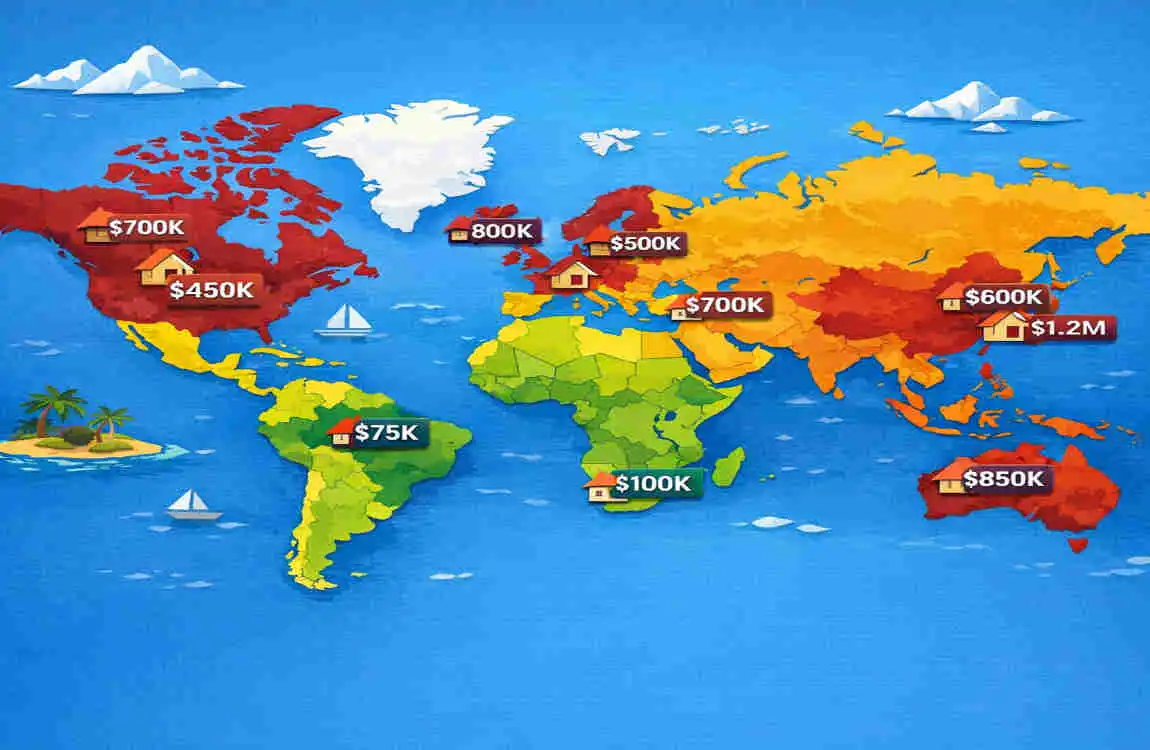
Average House Prices Around the World
United States
The U.S. has a wide range of prices. In many areas, homes are in the $400,000–$450,000 range, but some places are much cheaper or much more expensive.
Canada
Canada also has strong price differences by city and province. Major cities often have high home prices, while smaller markets can be more affordable.
United Kingdom
In the UK, house prices vary by region, with London and nearby areas usually far more expensive than many other parts of the country.
Australia
Australia has many expensive housing markets, especially in major cities. Smaller towns and outer areas may offer lower prices.
Tips to Buy a House at the Best Price
If you want to save money, a few smart steps can help.
- Improve your credit score so you may qualify for better loan rates.
- Save for a larger down payment to reduce what you borrow.
- Compare mortgage lenders to find the best deal.
- Buy during favorable market conditions when prices or interest rates are more manageable.
- Work with an experienced real estate agent who understands local pricing.
Common Mistakes Home Buyers Should Avoid
Buying a luxury home is exciting, but it is easy to make costly mistakes. Try to avoid these:
- Ignoring extra ownership costs
- Skipping the home inspection
- Buying beyond your budget
- Not comparing mortgage offers
- Overlooking neighborhood factors
These mistakes can lead to financial stress and regret later. A careful approach usually saves money in the long run.
FAQs
How much is a house in the United States?
The median home price is often around $400,000 to $450,000, depending on the market.
What is the cheapest type of house to buy?
Manufactured homes are usually the most affordable option.
What factors make a house more expensive?
Location, size, condition, demand, and amenities all raise home prices.
How much should I save before buying a house?
You should save for the down payment, closing costs, and an emergency fund.
Are house prices expected to increase?
Prices can rise or fall based on interest rates, supply, demand, and local market trends.
| Factor | Average Cost / Explanation |
|---|---|
| Average U.S. Home Price | Around $420,000–$510,000 (varies by location and market conditions). |
| First-Time Buyer Homes | Typically range from $250,000–$400,000. |
| Luxury Homes | Usually start at $1 million+ in premium locations. |
| Rural Areas | Homes often cost $150,000–$300,000. |
| Major Cities | Prices commonly exceed $600,000, with some cities averaging over $1 million. |
| Down Payment | Usually 3%–20% of the home’s purchase price. |
| Closing Costs | Typically 2%–5% of the purchase price. |
| Monthly Mortgage | Depends on the loan amount, interest rate, taxes, and insurance. |
| Main Price Factors | Location, home size, age, condition, local demand, and amenities. |
| Money-Saving Tip | Compare neighborhoods, get pre-approved for a mortgage, and budget for maintenance and taxes. |